Business 139
Stellantis Adds Flatbed Opel Vivaro with New 148hp Turbodiesel
In this issue
Business 139
Stellantis Adds Flatbed Opel Vivaro with New 148hp Turbodiesel
Culture 150
Max Mara champions understated elegance at Milan Fashion Week
Economy 33
Bitcoin and Ethereum Surge to Levels Last Seen in January
News 131
Trump Tells UN Iran Faces Choice Between Deal and Annihilation
Politics 107
Republican Judges Defy Supreme Court in Missouri Redistricting Fight
Sports 245
MINI to Debut New Adventure SUV at Rebelle Rally
Technology 162
Chevrolet Builds Two Corvette Generations at Once for the First Time
The psychological horror project imagines digital doubles made from private desire, turning an online joke about logging off into a question of identity.
By Charlotte Redford · 4 min read
Most warnings about artificial intelligence are framed around capability: what a model can write, imitate, automate or replace. Touch Grass takes a more personal route. Its threat is not a machine that becomes stronger than a human being, but a system that becomes better at constructing the human being someone wants to see.
The psychological horror project is billed as coming from a producer connected to Backrooms, though the announcement currently available does not identify the individual. Backrooms itself arrived in U.S. theaters on May 29, 2026, directed by Kane Parsons, with a producer roster that included James Wan, Shawn Levy, Dan Cohen, Dan Levine, Chris Ferguson and others. It showed how effectively internet folklore can be translated into a studio-scale nightmare.
Touch Grass is built around a different digital myth. A young woman works for a secretive corporation that creates AI personalities. Her job leads her to The Feed, a hidden layer underneath the internet. Bots, fabricated characters and the accumulated digital traces of real people exist there, but not as passive data. They become copies of people, shaped from the desires those people rarely expose.
That premise changes the leadership question around AI from “Can we control the technology?” to “Can we control the incentives it understands?” A system that knows what keeps someone engaged, reassured, attracted or flattered has a powerful form of leverage. In horror terms, the most dangerous double may not be the one that steals your identity; it may be the one that offers an identity you prefer.
The film draws on the so-called dead internet theory, a conspiracy theory that claims much of the web is already populated by bots and synthetic activity rather than genuine human participation. The theory’s literal claims are not established facts. Its cultural persistence matters for another reason: people increasingly approach online content with suspicion about whether a person, an automated account or a generative system produced it.
The technology does not need to match the film’s fantasy for that suspicion to feel familiar. Text-to-image systems, voice cloning and conversational characters with persistent memory already blur old signals of authenticity. Digital identity has always been curated; generative systems add the possibility that the curator is a machine able to produce endless variants and optimize them for a particular audience.
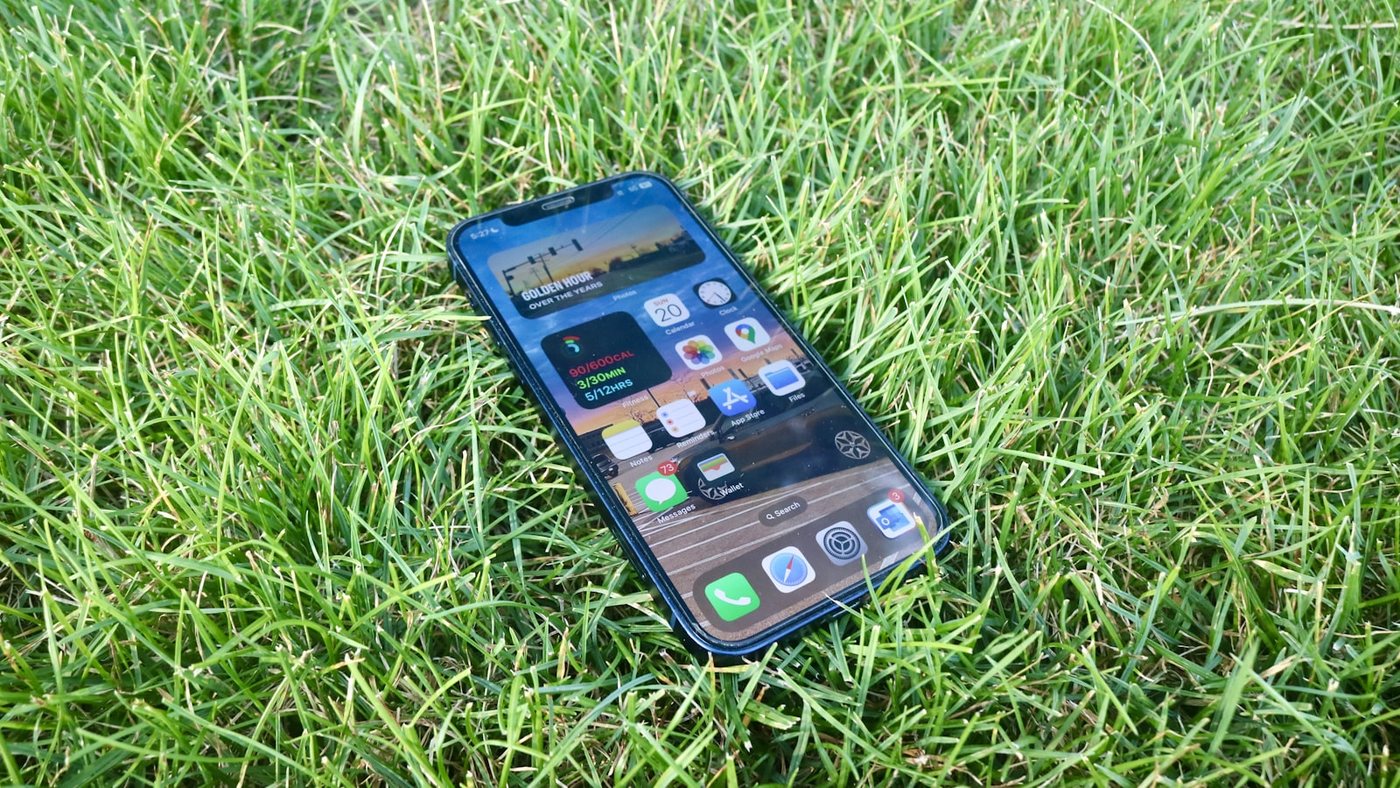
That is why the title is sharper than it first appears. Merriam-Webster defines “touch grass” as returning to ordinary real-world activity rather than staying immersed in online interaction. It is a phrase often deployed as a rebuke to people who have lost perspective in digital arguments. The implication is that reality exists safely outside the screen.
Touch Grass removes that comfort. If The Feed can reconstruct someone from their digital history and private wants, logging off may change the interface without undoing the copy. The project has not disclosed a director, cast or release date in the available description, so its production shape remains open. The idea is already useful, though: in an era of synthetic personalities, the discipline that matters may be less about spotting a fake at first glance and more about understanding why a fake was designed to feel irresistible.
60