Business 139
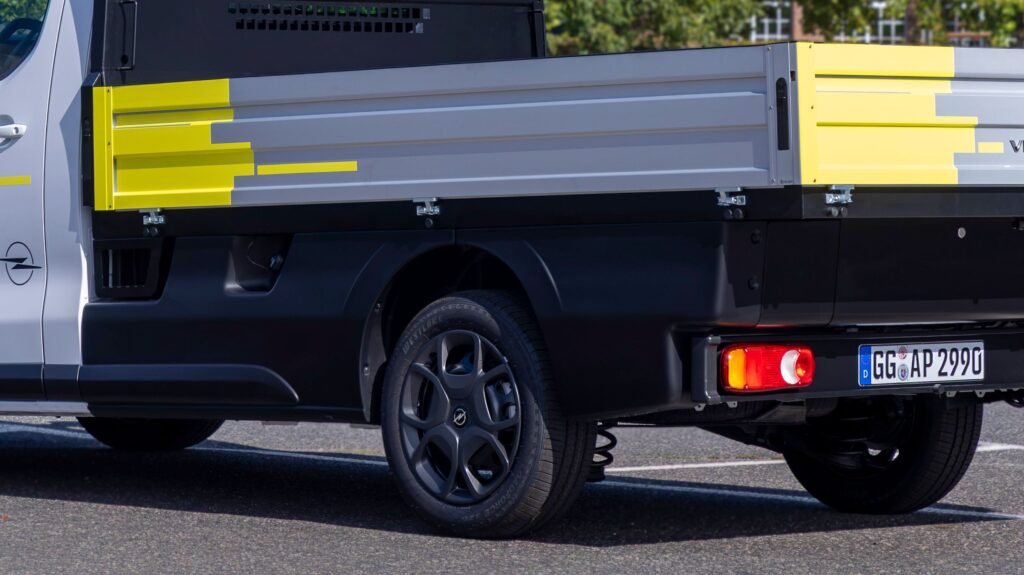
Stellantis Adds Flatbed Opel Vivaro with New 148hp Turbodiesel
In this issue
Business 139
Stellantis Adds Flatbed Opel Vivaro with New 148hp Turbodiesel
Culture 150
Max Mara champions understated elegance at Milan Fashion Week
Economy 33
Bitcoin and Ethereum Surge to Levels Last Seen in January
News 131
Trump Tells UN Iran Faces Choice Between Deal and Annihilation
Politics 107
Republican Judges Defy Supreme Court in Missouri Redistricting Fight
Sports 245
MINI to Debut New Adventure SUV at Rebelle Rally
Technology 162
Chevrolet Builds Two Corvette Generations at Once for the First Time
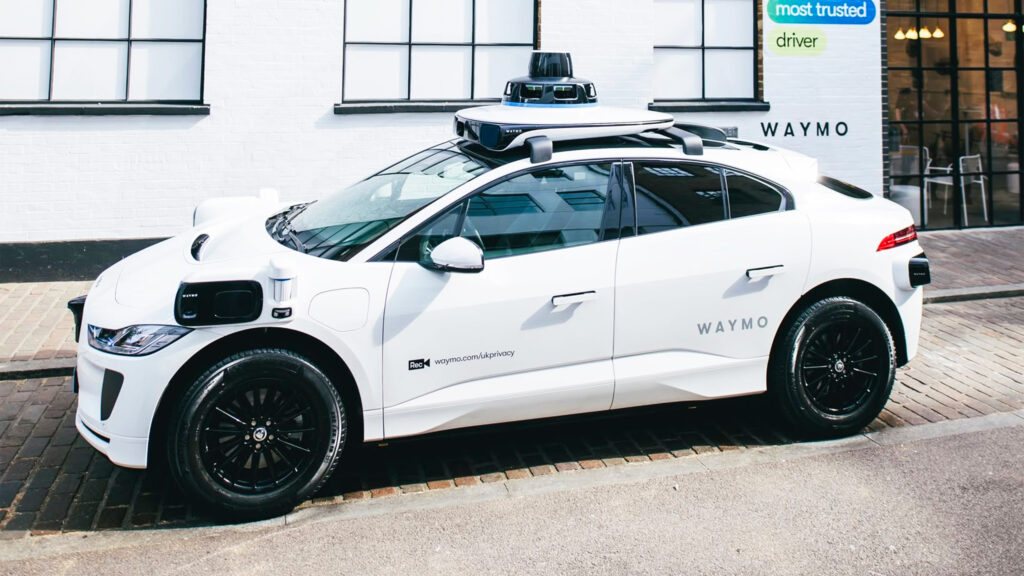
Waymo's analysis of 271 million driverless miles shows its robotaxis are involved in 95% fewer serious injury crashes and 82% fewer minor injury crashes than human-driven vehicles, with sharp reductions in pedestrian, cyclist and motorcyclist collisions.
By George Kensington · 4 min read
Waymo has published an analysis of 271 million miles of driverless operations claiming its robotaxis are involved in 95 per cent fewer crashes causing serious injury or worse than vehicles driven by humans. The company says the data, drawn from its fleets in Atlanta, Austin, Phoenix, Los Angeles and San Francisco through the end of June, also shows an 82 per cent reduction in collisions causing minor injuries.
The figures are based on Waymo's own comparison between its vehicles' crash record and the expected performance of human drivers over the same distance. Across the period studied, the company says its robotaxis were involved in 841 fewer injury-causing crashes than human drivers would have been. The safety gap extends to vulnerable road users: 93 per cent fewer crashes involving pedestrians, 86 per cent fewer with cyclists and 82 per cent fewer with motorcyclists.
Waymo argues the true safety advantage may be even wider than the headline numbers suggest. About 60 per cent of property-damage crashes involving human drivers are estimated to go unreported to police, along with roughly 32 per cent of injury crashes. Autonomous vehicle operators such as Waymo, by contrast, are required to report even the most minor incidents. That reporting asymmetry means human-driver crash statistics are likely to understate the real frequency of collisions, making the comparison with robotaxi data more favourable to Waymo than a simple like-for-like reading implies.
The context for the debate is stark. Approximately 100 people are killed every day on US roads, a toll that lawmakers have spent years trying to reduce. More than 15,000 crashes involving human-driven cars are reported to police daily across the country. Against that background, Waymo contends that the intense media scrutiny of any robotaxi incident — where a single crash involving a self-driving car can become international news — distorts public perception of the technology's relative safety.
To illustrate the point, Waymo has released video footage of near-misses its vehicles have avoided in recent months. In one clip, a pedestrian runs out from behind a parked car directly into the path of a robotaxi, which stops before hitting them. In another, filmed at night, a cyclist crosses an intersection against a red light into the vehicle's path. Waymo says the robotaxi avoided the collision, whereas many human drivers would probably have struck the cyclist.
The company's findings arrive as fully autonomous robotaxi services expand across US cities and face continuing regulatory and public scrutiny. Waymo's core argument is that its self-driving system, the Waymo Driver, is already substantially safer than the average human driver and that the gap is likely to widen as the technology matures. The company has previously clashed publicly with rivals over sensor strategy, including criticism of Tesla's decision to rely on cameras rather than lidar.
Independent verification of Waymo's claims remains difficult. The analysis is self-reported and compares robotaxi crash records against modelled human-driver baselines rather than a controlled study. Nevertheless, the scale of the dataset — 271 million driverless miles — makes it one of the largest safety assessments published by an autonomous vehicle operator to date. For regulators, insurers and the travelling public, the central question is no longer whether self-driving cars can operate safely at scale, but how quickly their safety record can be independently confirmed and communicated.
3