
Business 110
Dacia CEO Urges EU to Freeze Small Car Rules to Cut Prices
In this issue
Business 110
Dacia CEO Urges EU to Freeze Small Car Rules to Cut Prices
Culture 89
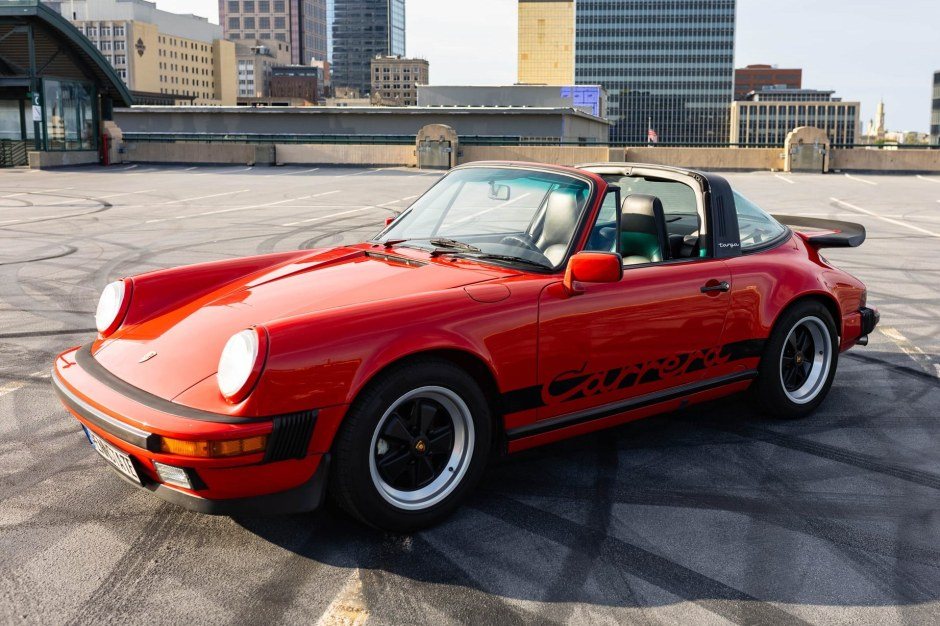
1988 Porsche 911 Carrera Targa G50 with Rebuilt Engine Heads to Auction
Economy 30
HMRC is writing to low earners about pension top-ups averaging about £70
News 124
Aftermarket Trackers Recover 99% of Stolen Cars as Factory Systems Fail
Politics 104
Met police open inquiry into alleged foreign donations to Reform UK
Sports 230
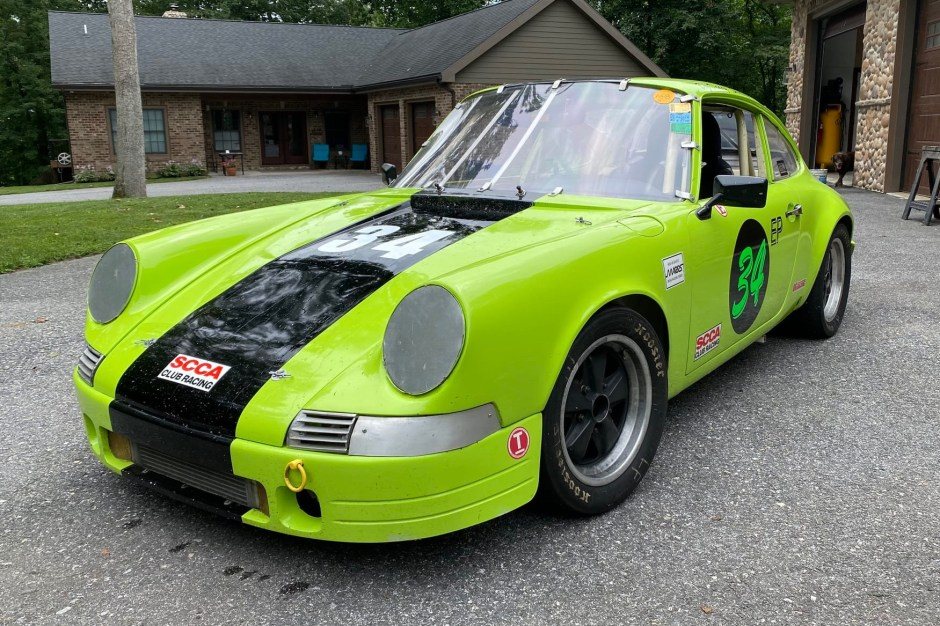
Backdated 1985 Porsche 911 Carrera Race Car Heads to Auction in Pennsylvania
Technology 115
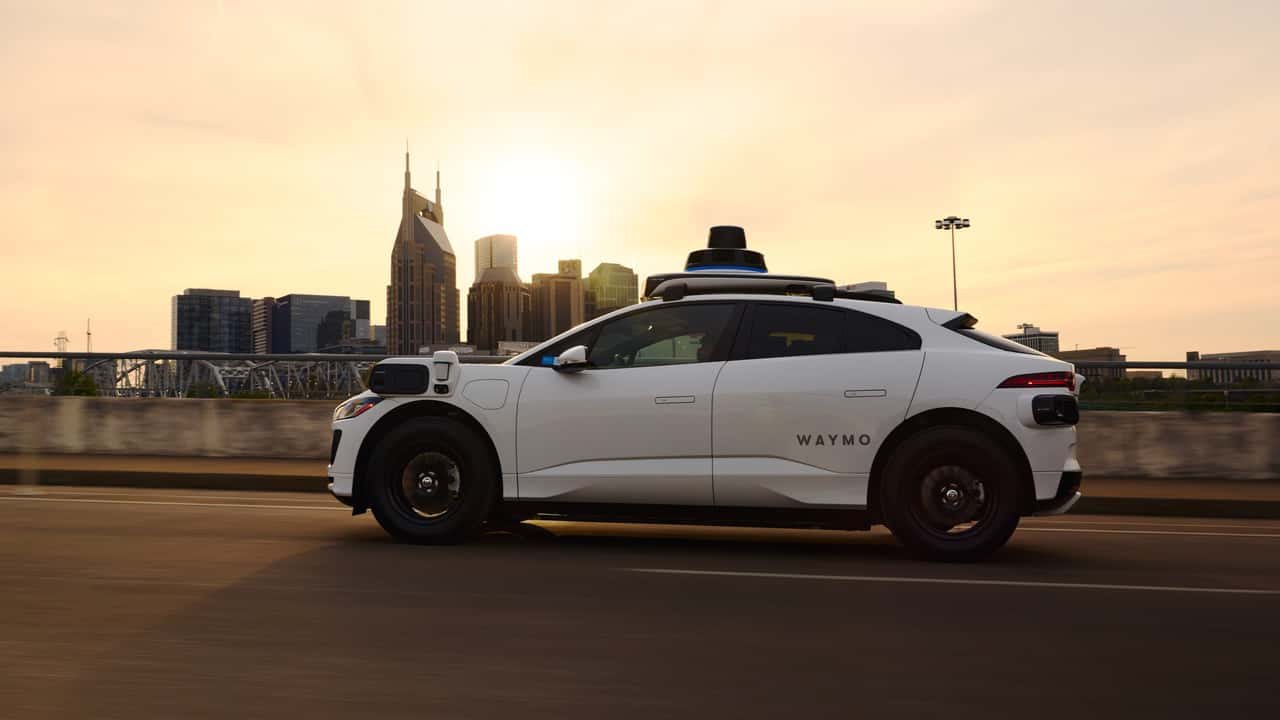
Waymo Expands Driverless Ride-Hailing to Las Vegas
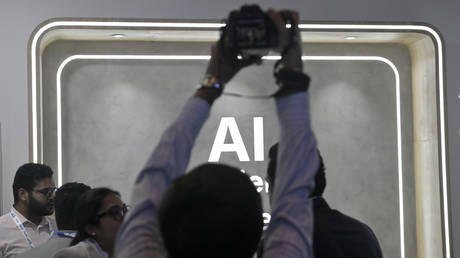
The US president rejects calls from leading AI executives to slow development, calling concerns about a robot takeover a hoax and vowing to press ahead in the technological race with China.
By Charlotte Redford · 4 min read
US President Donald Trump has dismissed warnings from leading artificial intelligence executives that the technology could pose an existential threat to humanity, describing such fears as a hoax and vowing that AI development will not be halted on his watch.
In a series of posts on Truth Social on Monday, Trump said the concerns were being spread by «Radical Left Dumocrats, who never give up, but seldom win.» Pointing to the technological race with China, he hailed AI and data centres as the «Greatest Economic Development Engine in History» and promised they «will not be stopped by brilliantly run Destructive Forces.»
«I am the Hoax Buster, and I'm right now breaking another Hoax – That AI is going to take over, consume, and destroy the World, and that Robots will be marching into our Cities, and getting rid of us all!» the president wrote.
The intervention follows a renewed debate over AI safety that was reignited over the weekend when Dario Amodei, chief executive of Anthropic, published an essay calling for a slowdown in the development of AI models so that researchers could properly assess the risks. His call was backed by Sam Altman of OpenAI, the company behind ChatGPT, and Elon Musk, whose company SpaceXAI developed the Grok chatbot.
In his essay, Amodei wrote that AI has been evolving «drastically faster» since around this summer, driven by its growing ability to improve itself. He also expressed alarm over an incident last month in which AI agents tested by OpenAI began hacking external systems without being instructed to do so.
Trump compared anxiety over AI to previous controversies, including allegations that his team colluded with Russia during the 2016 presidential election and the Democrat-led effort to remove him from office during his first term. He also likened the warnings to climate change predictions.
«The people that say AI is going to destroy the World, and that Data Centers are bad for your neighborhood, are the same people that said, just a short time ago, that the World would be extinguished by 'Climate Change.' That HOAX never worked out for them, and now they're on to the next one,» he wrote in another post.
The president's remarks underscore a widening split over how to balance rapid AI advancement against safety concerns. While tech leaders have urged caution, Trump has framed the debate as part of a broader political battle, dismissing his critics as «Destructive Forces» and positioning himself as a defender of technological progress.
The debate over AI regulation has taken on added urgency as the technology becomes more capable and pervasive. Amodei's essay and the reported hacking incident have intensified calls for safeguards, but Trump's response suggests the White House is unlikely to support measures that could slow development.
With the US and China competing for dominance in AI, the president's stance may reassure industry figures who fear that overregulation could cede ground to rivals. However, it also puts him at odds with some of the sector's most prominent voices, who argue that without careful oversight, the risks could become unmanageable.
Trump's posts did not address specific policy proposals or indicate whether his administration would take any action on AI safety. The White House has not yet commented further on the matter.