Business 110
Dacia CEO Urges EU to Freeze Small Car Rules to Cut Prices
In this issue
Business 110
Dacia CEO Urges EU to Freeze Small Car Rules to Cut Prices
Culture 89
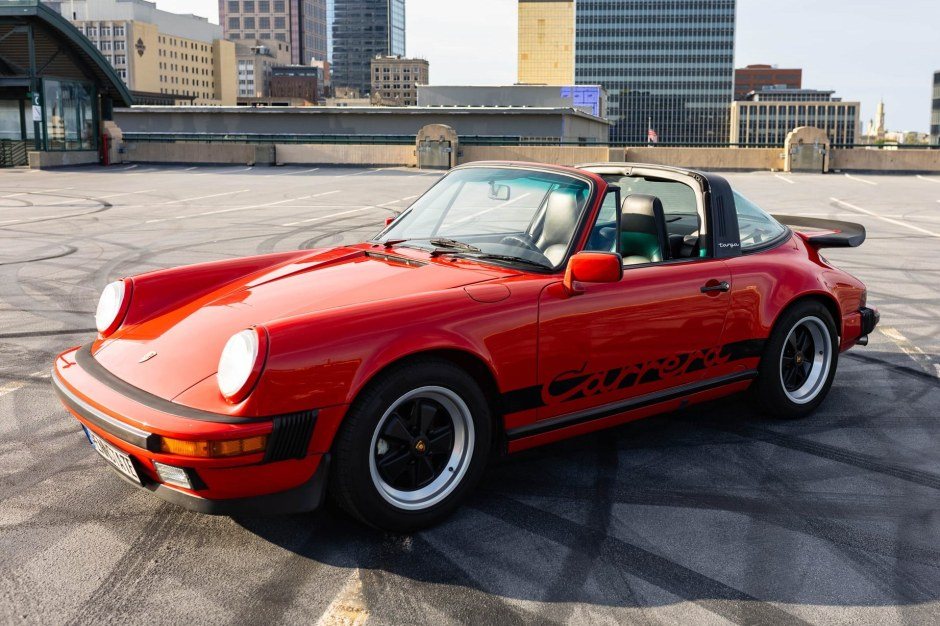
1988 Porsche 911 Carrera Targa G50 with Rebuilt Engine Heads to Auction
Economy 30
HMRC is writing to low earners about pension top-ups averaging about £70
News 124
Aftermarket Trackers Recover 99% of Stolen Cars as Factory Systems Fail
Politics 104
Met police open inquiry into alleged foreign donations to Reform UK
Sports 231
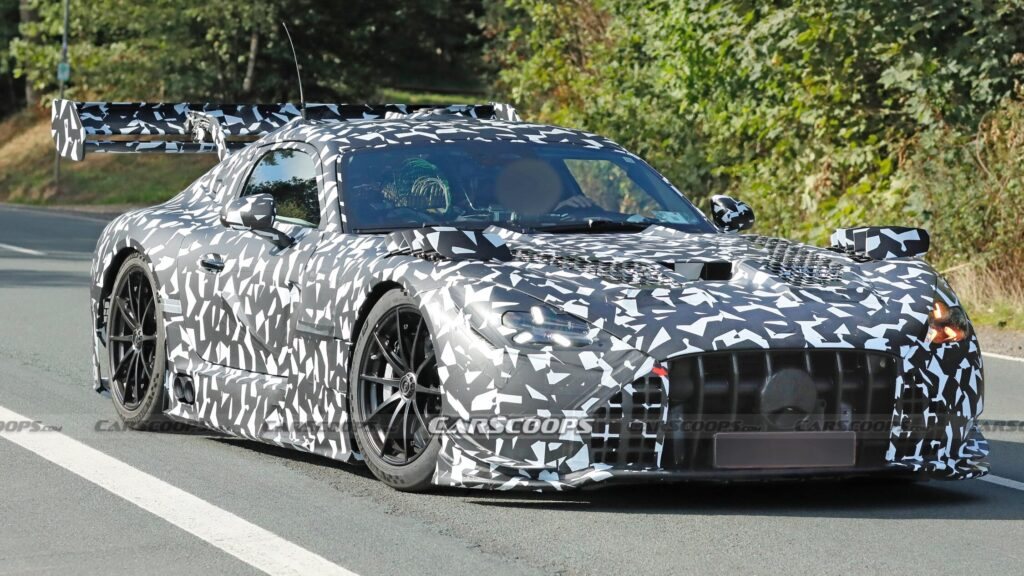
AMG GT Black Series Spied With Radical Aero Ahead of Nürburgring Record Attempt
Technology 115
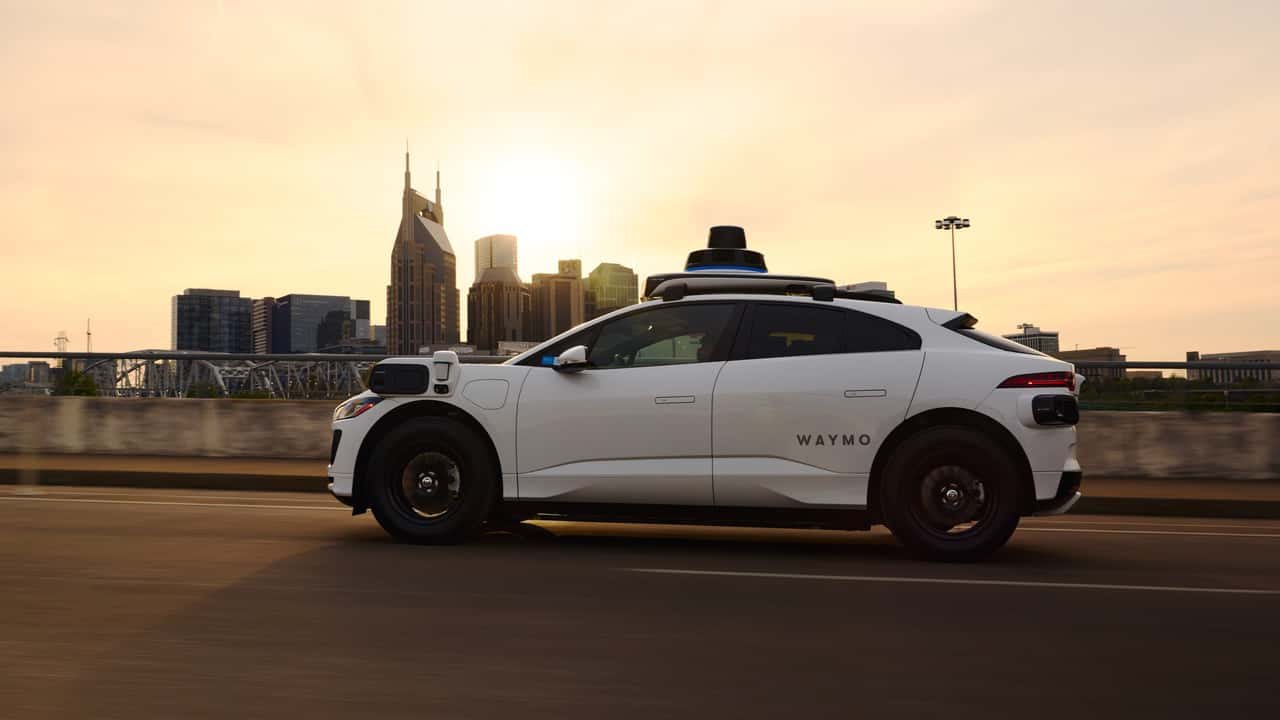
Waymo Expands Driverless Ride-Hailing to Las Vegas
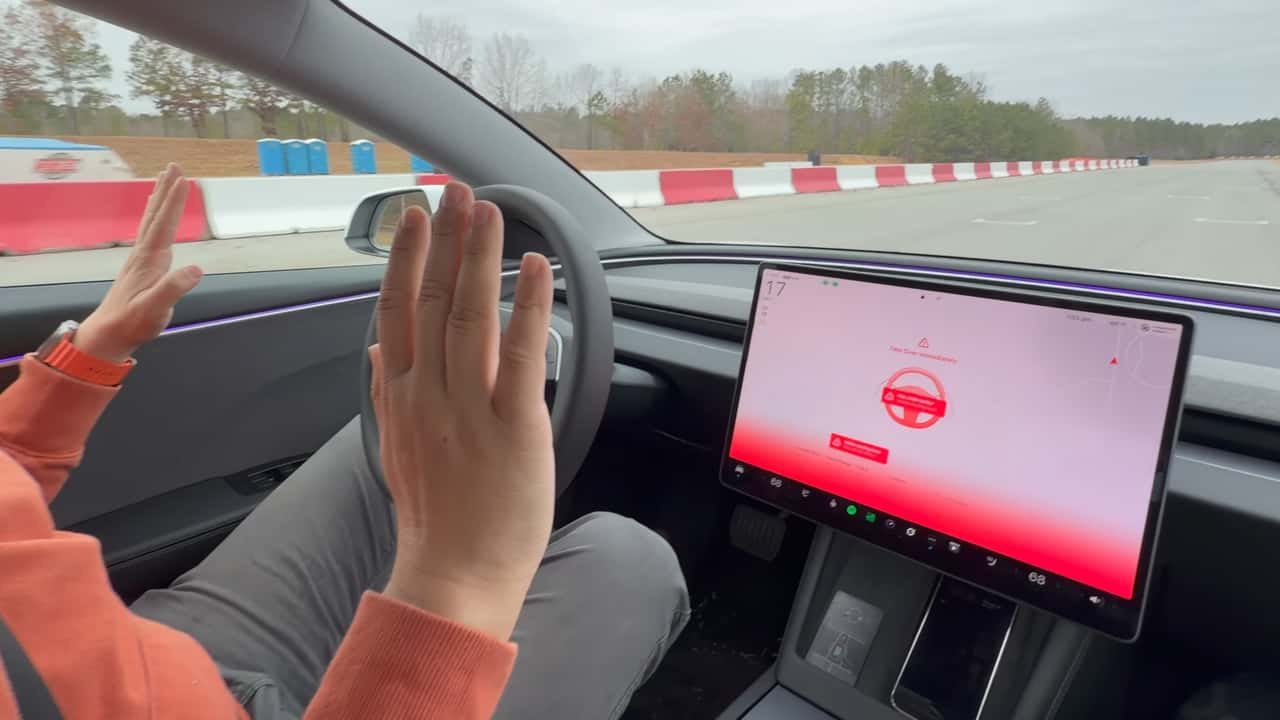
A congressman has called on the National Highway Traffic Safety Administration to investigate repeated misuse of Tesla's Full Self-Driving software after dozens of drivers were recorded asleep behind the wheel.
By George Kensington · 4 min read
A US congressman is pressing federal regulators to act after dozens of Tesla drivers were filmed asleep at the wheel while using the company's Full Self-Driving software. The lawmaker has written to the National Highway Traffic Safety Administration (NHTSA) demanding that the agency examine what he describes as continued misuse of the driver-assistance system.
The intervention follows the circulation of footage showing 43 separate incidents in which Tesla drivers appeared to be asleep while their vehicles were operating on public roads. The videos have renewed scrutiny of how drivers interact with advanced driver-assistance systems and whether current safeguards are sufficient to prevent dangerous distraction.
Full Self-Driving, despite its name, is not a fully autonomous system. Tesla states that it requires active driver supervision at all times, with hands on the wheel and attention on the road. The software is classified as a Level 2 driver-assistance feature, meaning the human driver remains legally responsible for the vehicle's operation.
The congressman's demand places fresh pressure on NHTSA, which has already opened multiple investigations into Tesla's driver-assistance technology. The agency has been examining crashes involving Autopilot and Full Self-Driving, including incidents where the system failed to detect obstacles or where drivers were not paying attention. NHTSA has the authority to require recalls, impose fines, and mandate changes to software or hardware if it finds unreasonable safety risks.
Safety advocates argue that the name Full Self-Driving itself encourages overconfidence, leading some drivers to treat the system as more capable than it is. They point to the absence of robust driver-monitoring systems in some Tesla models, although the company has introduced cabin cameras and steering-wheel sensors to detect inattention. Critics say these measures can be circumvented, and that the 43 filmed incidents suggest a broader pattern of misuse.
Tesla has not commented directly on the congressman's letter, but the company has consistently stated that its vehicles are among the safest on the road and that drivers must remain engaged. The manufacturer has also warned that failure to supervise the system can lead to accidents, injury, or death.
The issue raises broader questions about the regulation of automated driving features in the United States. Unlike some countries, the US does not yet have a comprehensive federal framework for autonomous vehicles, leaving much of the oversight to NHTSA's existing safety authorities. As more cars gain partial automation, lawmakers and regulators face growing calls to set clear rules for driver monitoring, system naming, and liability.
For now, the focus is on whether NHTSA will open a formal inquiry or take enforcement action. The congressman's request adds political weight to an ongoing debate about how far driver-assistance technology can go before it requires stricter oversight. The outcome could influence how Tesla and other automakers design and market their systems in the years ahead.