Business 138
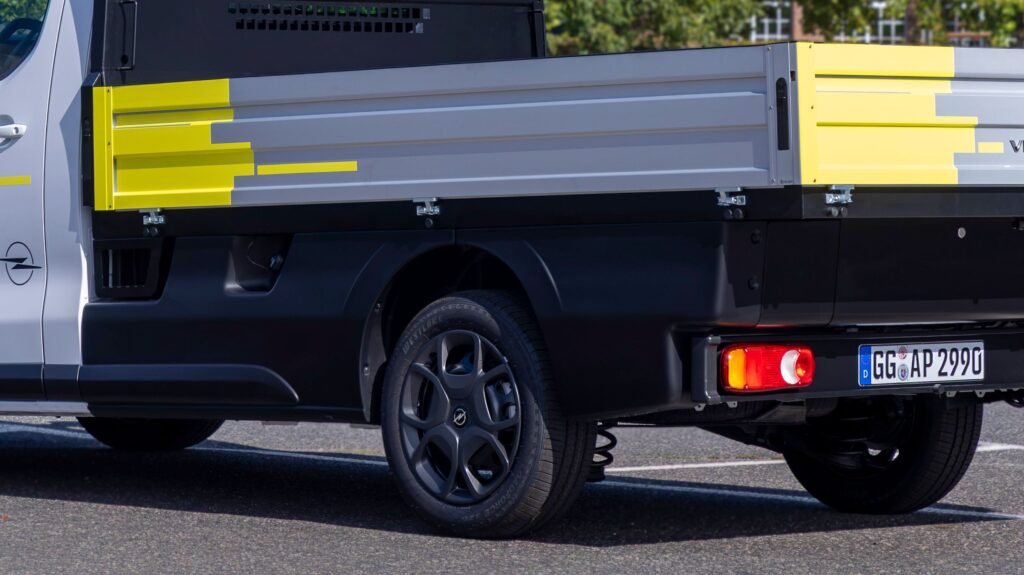
Stellantis Adds Flatbed Opel Vivaro with New 148hp Turbodiesel
In this issue
Business 138
Stellantis Adds Flatbed Opel Vivaro with New 148hp Turbodiesel
Culture 150
Max Mara champions understated elegance at Milan Fashion Week
Economy 33
Bitcoin and Ethereum Surge to Levels Last Seen in January
News 131
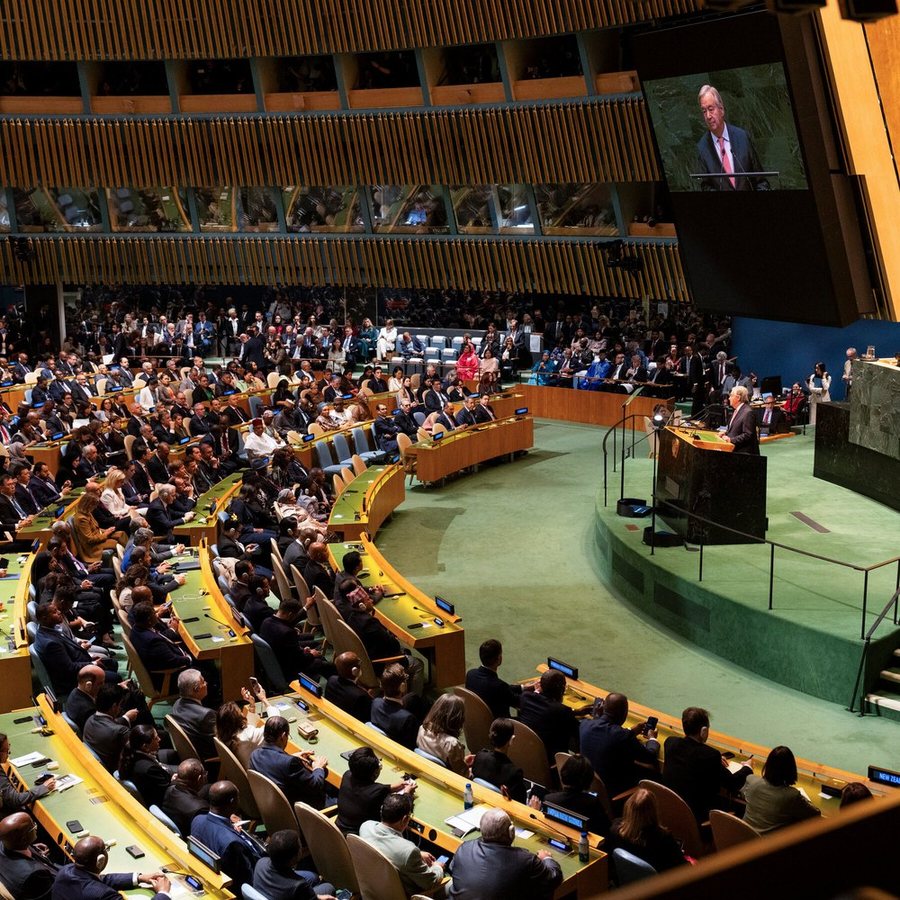
Trump Tells UN Iran Faces Choice Between Deal and Annihilation
Politics 107
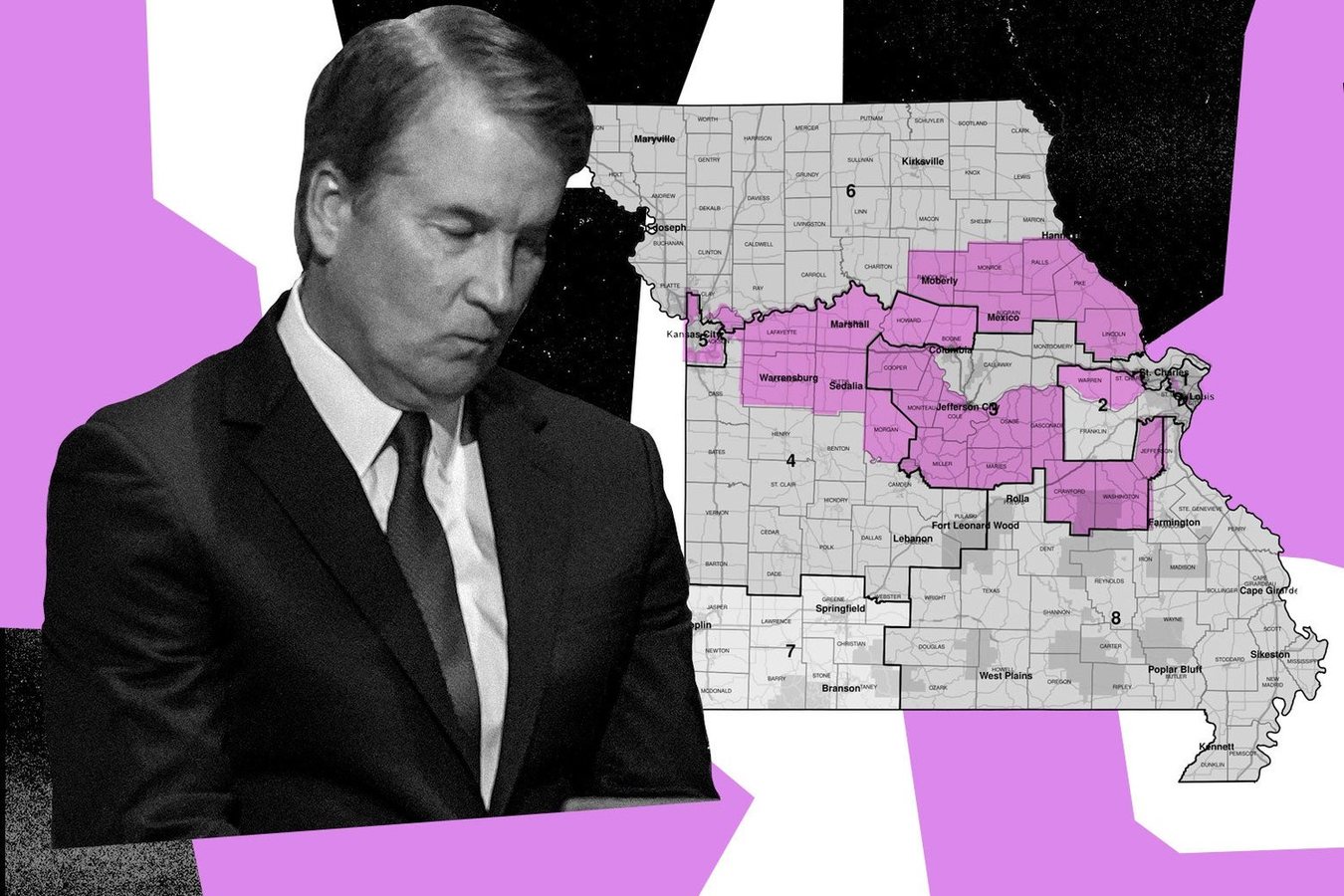
Republican Judges Defy Supreme Court in Missouri Redistricting Fight
Sports 245
MINI to Debut New Adventure SUV at Rebelle Rally
Technology 163
Chevrolet Builds Two Corvette Generations at Once for the First Time
Greg Abel's first major deployment quarter combined a $10 billion Alphabet investment, a $4.5 billion buyback and a large housing acquisition.
By Eleanor Ellington · 7 min read
Greg Abel inherited more than Warren Buffett's title when he became Berkshire Hathaway's CEO. He inherited one of the largest capital-allocation challenges in business: what to do with a cash and Treasury reserve that had reached nearly $400 billion while the conglomerate continued generating billions more through its operating companies.
The second quarter of 2026 offered the first substantial answer. Berkshire bought about $23.5 billion of publicly traded equities and sold only about $3.7 billion, producing net purchases near $19.8 billion. It was the first net-buying quarter after 14 consecutive quarters of net selling.
That reversal matters because restraint was one of the defining characteristics of Buffett's final years as CEO. Berkshire was willing to let cash accumulate rather than lower its standards merely to stay active. Abel's first major quarter does not prove those standards have changed, but it shows he is willing to deploy very large checks when he believes the opportunity is sufficient.
The biggest disclosed example was Alphabet. A Berkshire affiliate invested $10 billion through a private placement announced in June. SEC filings show more than 28 million Class A and Class C shares combined. Alphabet was raising capital for a major buildout of AI infrastructure and computing capacity, putting Berkshire on the funding side of one of the most expensive technological investment cycles of the decade.
Abel also turned inward. Berkshire resumed share repurchases on March 4 after a nearly two-year pause and spent about $4.5 billion on its own shares in the second quarter. A buyback is a particularly revealing decision at Berkshire because management can compare the implied return from buying more of the existing conglomerate with the expected return from any outside acquisition.
Then there is Taylor Morrison. Berkshire agreed to acquire the US homebuilder at $72.50 a share, with an equity value of about $6.8 billion and enterprise value of roughly $8.5 billion. The transaction closed on July 24, so it sits outside the second-quarter cash reconciliation. But as a leadership signal it belongs in the same sequence: external shares, internal shares and a whole business were all competing for capital at once.
The spending reduced Berkshire's liquidity from roughly $397.4 billion at the end of March to about $365 billion at the end of June. That still leaves the company extraordinarily liquid. Berkshire's stated floor is at least $30 billion in cash, equivalents and short-term Treasurys. Its actual reserve is more than ten times higher.
The operating engine gives Abel room to make mistakes without threatening the institution, but not without consequences for shareholder returns. Operating earnings rose about 16% to $12.98 billion. Net income more than doubled to approximately $25.67 billion, helped substantially by investment gains. Manufacturing and retail operations performed strongly.
This is why the succession question is ultimately about judgment rather than solvency. Berkshire will almost certainly have the resources to keep investing. The harder question is whether Abel and the wider management system can distinguish between a merely available opportunity and an exceptional one.
Michael Burry is skeptical. MarketWatch reported that he wrote on Substack that he no longer finds Berkshire attractive as an investment going forward and questioned the early post-Buffett actions. His view is not a prediction that can be verified today, but it provides a useful benchmark against the enthusiasm surrounding a more active quarter.
Buffett remains chairman, so the transition is not a clean break. More importantly, Berkshire has not announced a new strategy. Its liquidity policy and preference for financial resilience remain intact. The difference visible in the second quarter is tempo, not doctrine.
For leaders and investors, that may be the most interesting lesson. Succession at a great institution does not require theatrical reinvention. Abel's challenge is to use inherited principles without becoming trapped by inherited habits. The second quarter shows he can act at scale.
Leadership is tested most sharply when several options appear attractive at once. A CEO with hundreds of billions of dollars available can buy a public company stake, acquire an operating business, repurchase shares or do nothing. Each option sends a different signal, but none is inherently superior. The skill lies in choosing the one whose prospective return justifies the capital and the loss of flexibility.
Abel also has to manage expectations created by the transition itself. After decades of Buffett, investors may be tempted to treat visible activity as evidence of decisiveness and inactivity as hesitation. Berkshire's history points in the opposite direction: waiting can be a deliberate capital-allocation choice. A successor who feels compelled to demonstrate action would face a risk the company was designed to avoid.
The enormous remaining reserve therefore matters psychologically as well as financially. It means Abel does not need the next deal to succeed operationally; he can afford to be selective. That freedom becomes valuable only if management actually uses it to reject opportunities whose price or economics do not meet its standards.
The reputation of the Abel era will not be decided by whether 2026 produced a high number of transactions. It will be decided by what Alphabet, the buybacks, Taylor Morrison and future decisions add to per-share value over time. The first major deployment quarter establishes that the machinery can move. The longer test is whether it can retain the patience that made Berkshire's capital allocation a model for other leaders.
64