Business 199
Hybrids Beat Petrol on Running Costs Across Most Popular Models, Review Finds
In this issue
Business 199
Hybrids Beat Petrol on Running Costs Across Most Popular Models, Review Finds
Culture 217
2008 Porsche 911 GT2 with 26k Miles Heads to Auction in California
Economy 37
Russia's EV Share Overtakes US as Fuel Shortages Bite
News 148
California Grants Three-Day Return Right on Used Cars
Politics 110
Trump Urges Republicans to Vote by Mail After Years of Criticising the Practice
Sports 262
West Ham United to Host Queens Park Rangers in October 2026 Championship Fixture
Technology 251
Tesla Adds Emergency Drive Away Feature That Lets Cars Leave While Plugged In
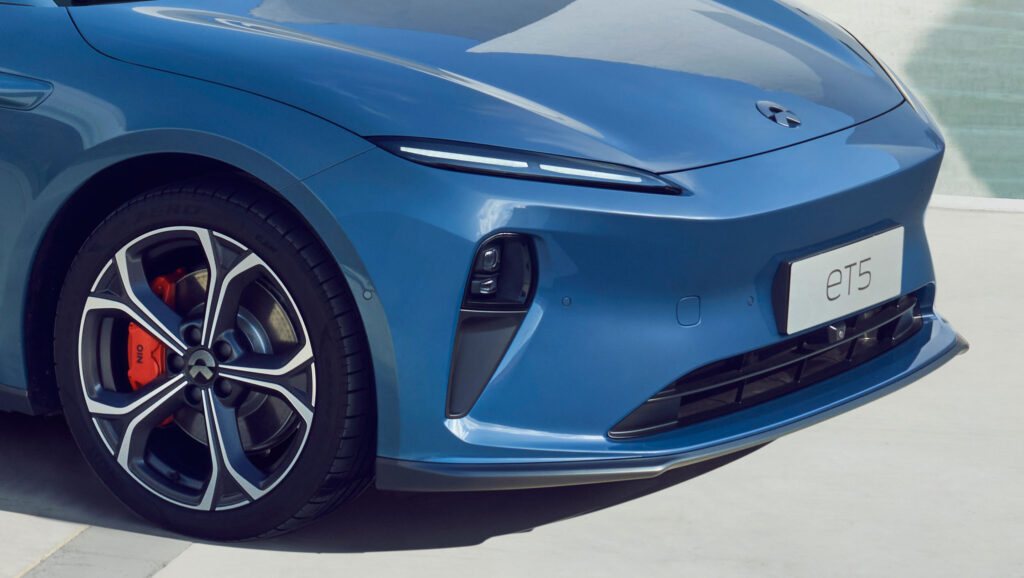
Chinese automakers released 542 new models between January and May, prompting industry executives to warn the pace is unsustainable as domestic sales slump and profits fall.
By Edward Beaumont · 3 min read
Chinese automakers are flooding the market with new vehicles at an unprecedented rate, releasing 542 models between January and May this year. That averages 3.6 new vehicles per day, according to BYD Executive Vice President He Zhiqi, who posted the figures on social media last month. The pace has become so intense that July 16 was dubbed “Crazy Thursday” after at least eight automakers unveiled new vehicles in a single day.
The rapid-fire launches are straining an industry already grappling with a domestic sales slump. Overall vehicle sales in China are down 21 percent, while sales of new energy vehicles have fallen 13 percent, partly due to revamped tax incentives. He Zhiqi described the market as “brutal,” noting that automakers can spend years and ¥1 billion ($149 million) developing a new vehicle, only to see the initial sales rush fade within three months as competitors rush out their own models.
The pressure is showing in financial results. BYD, China’s largest electric vehicle maker, reported a 16 percent drop in sales through the first half of the year, marking its first first-half decline in six years. Seres Group is expecting to post a net loss, and Great Wall Motor’s first-half net profit could fall by around 60 percent. The struggles are widespread, even as exports of Chinese-made vehicles continue to surge.
Industry leaders are beginning to acknowledge that the growth-at-all-costs approach may no longer be viable. Nio CEO William Li recently said that “many households already own one vehicle,” and that the “automotive market must shift from the traditional era of increasing volume to one that considers growth based on the premise of existing vehicle ownership.” Li’s comments suggest a future of smaller but more consistent sales, alongside a reduced pace of new model introductions.
The question remains whether the industry can slow down. With intense competition and no single player willing to cede ground, some companies may continue launching models at breakneck speed for fear of being left behind. The coming months will reveal whether the market can absorb the current flood of vehicles or whether the industry is headed for a painful correction.
53