Business 266
Volkswagen gaat Chinees Xpeng-platform ook in Europa gebruiken
In this issue
Business 266
Volkswagen gaat Chinees Xpeng-platform ook in Europa gebruiken
Culture 304
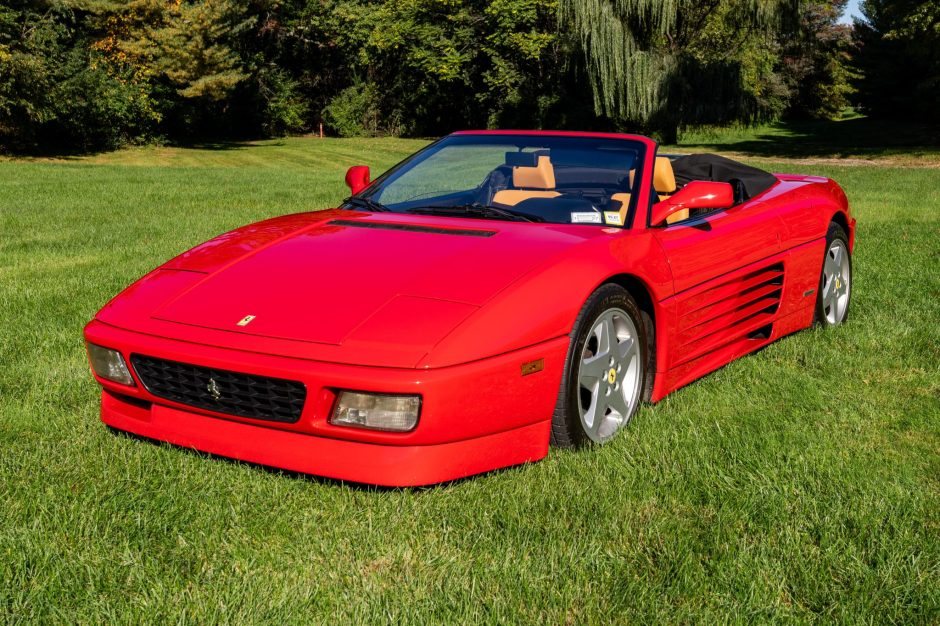
Оригинальный владелец продает 1994 Ferrari 348 Spider с 31 тысячей миль
Economy 43
Trump boasts oil firms are reaping billions as drivers pay more at the pump
News 160
Russian-linked tanker Myra sends distress signal off Ireland
Politics 119
Vance blames «tinpot dictators» for gas price spikes and draws online backlash
Sports 286
Aston Villa and Manchester City meet in Premier League fixture
Technology 334
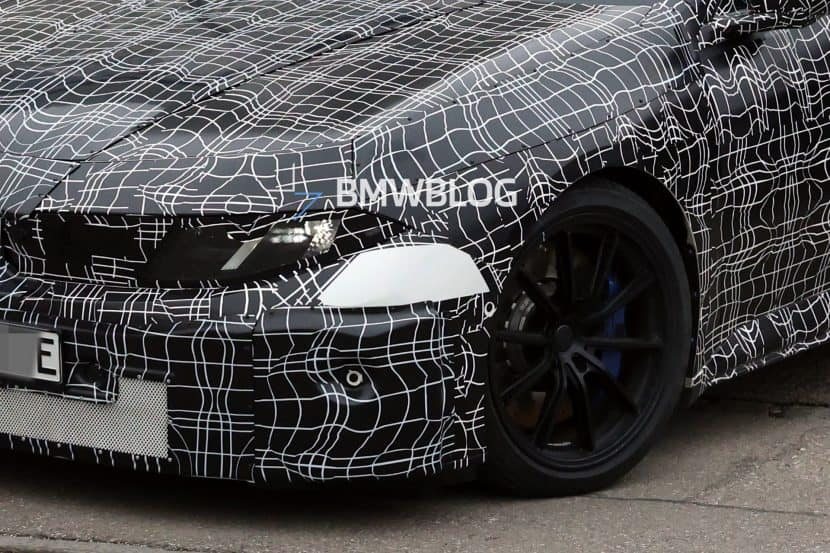
Electric BMW M3 prototype spotted testing in California ahead of 2027 unveil
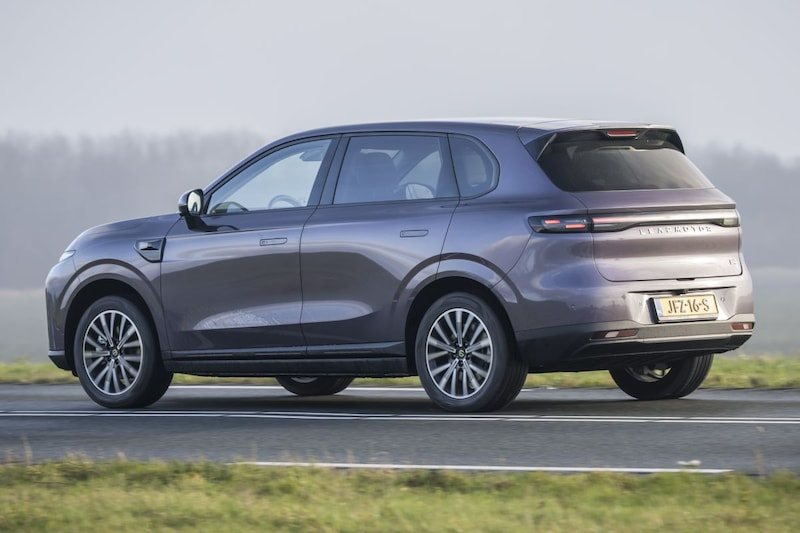
Chinese car brands are selling faster than ever in the Netherlands, while sales of German and French makes fall. Dealers, economists and the European industry body point to low prices, standard equipment and the shift to electric vehicles.
By Edward Beaumont · 4 min read
Chinese car brands are gaining ground fast in the Netherlands, while German and French manufacturers are losing sales. Their rise is driven mainly by low prices and generous standard equipment, and industry watchers say the trend is reshaping the Dutch car market.
According to the source material, sales of German cars in the Netherlands fell by 10 percent, while French brands dropped 5 percent and Korean brands 10 percent. Only Japanese brands held their ground. China has now become the fifth-largest car market in the country, up from ninth place a year earlier.
Stijn Oosterhoff of the motor trade association Bovag says the price-quality ratio of Chinese cars is strong. Features that European brands sell as options are often included as standard, and performance, charging capacity and battery quality are rated well. He also points to partnerships between Chinese makers and established Dutch dealer groups: BYD works with Louwman, Leapmotor with Nefkens and MG with Van Mossel. "That naturally creates trust," he said.
Economist Rico Luman of ING Research sees the growth as a direct result of the electrification of the Dutch car fleet. High fuel prices and the obligations companies face to put electric vehicles on the road are accelerating the shift. He noted that more than 40 percent of new cars registered in the first nine months of the year were fully electric, and in recent months the share rose above 50 percent. "And the Chinese keep delivering," he said.
China has also started shipping plug-in hybrids to Europe since import duties on electric cars were introduced. According to the European automobile association Acea, a quarter of all new plug-in hybrids in Europe are now Chinese. Two years earlier that share was just 2 percent.
Luman said Dutch consumers appear satisfied with Chinese electric cars, but questions remain about how the vehicles will hold up after ten years of use and about their residual value, which cannot yet be estimated in the way it is for Western brands. Sales of combustion-engine cars are declining, yet traditional manufacturers have not fully abandoned the technology, and Luman argued that attempts to slow the transition no longer work.
European carmakers are trying to postpone the ban on combustion engines. They still earn significant profits from those engines, money they need to fund the transition. They also face a large workforce surplus, since far fewer workers are needed to build an electric car, and announced mass layoffs and related labour unrest are costly.
Consultancy KPMG reports that senior executives in the sector expect employment at European carmakers to be halved by 2035, a year in which they expect six of the ten largest car manufacturers to be Chinese.
The European import duty on electric cars from China has not stemmed the tide. In Beijing this month, EU Commissioner Šefčovič sought to limit exports of Chinese plug-in hybrids to Europe. Acea chief Sigrid de Vries welcomed the agreement, warning that a price war in the car market would be "disruptive for the entire European economy". She hopes the deal can help manage the transition to a new era of Chinese presence in the European market in an orderly way, and said talks with China must also address exports of electric buses and trucks.
Europe remains wary of Chinese export strength. Work is under way on "Made in EU" rules that would require a minimum share of European components for products eligible for subsidies. Luman said that for electric cars this could be 70 percent, and for batteries 50 percent.
21