
Business 116
UK Truckers Win Right to Work 16-Hour Days
In this issue
Business 116
UK Truckers Win Right to Work 16-Hour Days
Culture 105
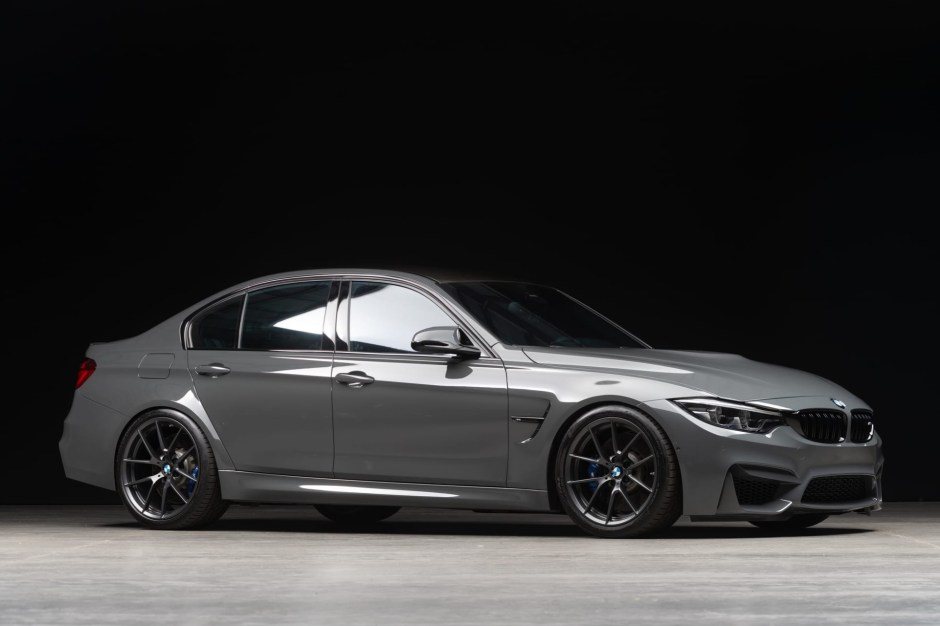
Low-Mileage 2018 BMW M3 Competition with Individual Paint Heads to Auction
Economy 30
HMRC is writing to low earners about pension top-ups averaging about £70
News 126
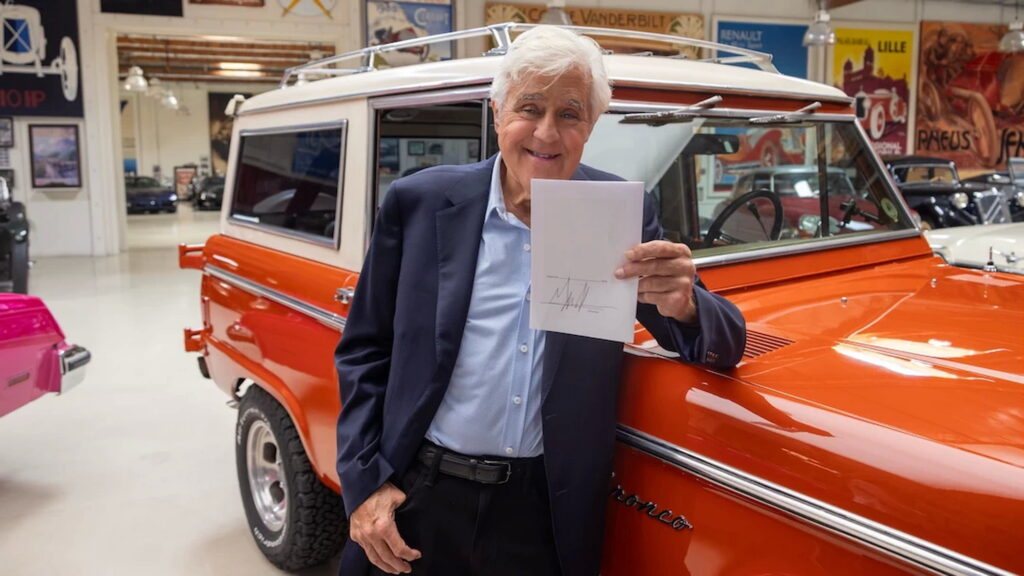
Newsom Signs Jay Leno's Law Easing Smog Checks for Classic Cars
Politics 105
Reform UK's Welsh Leader Dan Thomas Resigns After Arrest on Suspicion of Assault
Sports 236
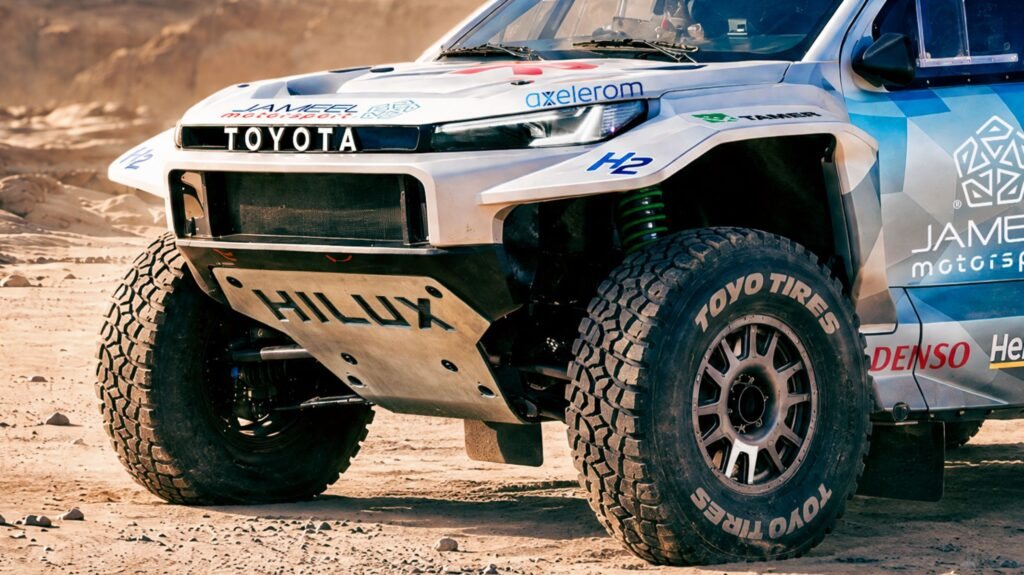
Toyota Unveils Hydrogen Fuel Cell Hilux for 2027 Dakar Rally
Technology 132
GWM Unveils Tank 300 Hooke Trail with Live Axle for Extreme Off-Roading
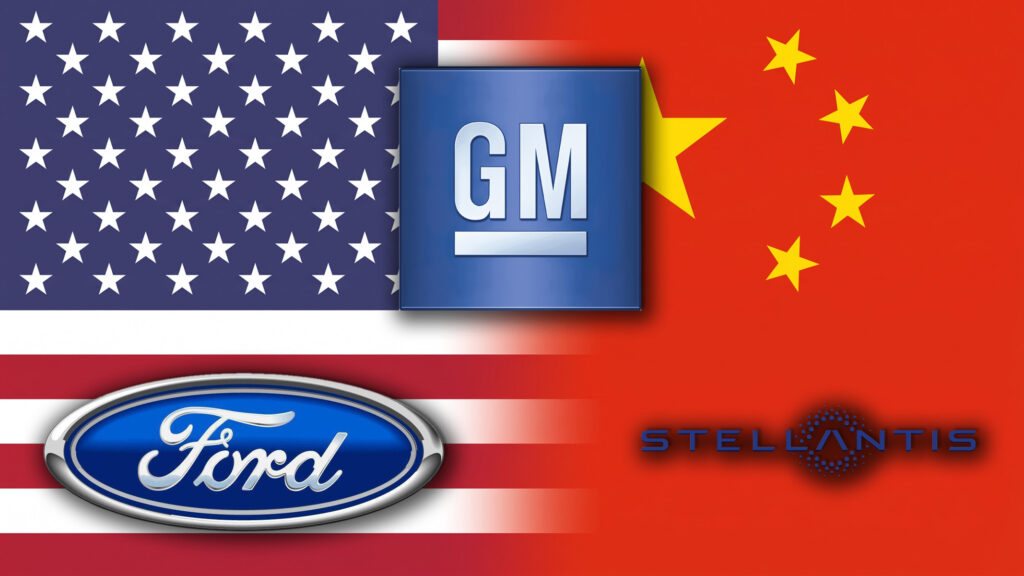
General Motors, Ford and Stellantis have warned that allowing Chinese automakers to build cars in the United States would harm the domestic industry, after President Donald Trump said he would welcome such investment provided American workers are hired.
By Eleanor Ellington · 4 min read
Detroit's three largest automakers have pushed back against President Donald Trump's suggestion that Chinese car companies should be allowed to build factories in the United States, warning that state-backed competitors would enjoy advantages that American manufacturers cannot match.
General Motors, Ford and Stellantis declined to comment individually, but their shared lobbying group in Washington said the proposal overlooks the scale of support Chinese manufacturers receive from Beijing. The American Automotive Policy Council, which represents the Detroit Three, argued that Chinese companies benefit from state subsidies, currency manipulation and other non-market advantages that would distort competition on American soil.
Trump said recently that he would be open to Chinese automakers opening plants in the United States, provided they hire American workers. He compared the idea with Japanese manufacturers that have long operated factories in the country, saying the priority is employment for US workers. «If China wanted to come in and open a plant to build their cars here, I'd be OK with that,» he said.
Council president Matt Blunt rejected that comparison, saying the Japanese example does not capture the financial and strategic backing Chinese firms receive. Allowing those companies to manufacture or sell vehicles in America without addressing those advantages would hurt domestic automakers, their workers and the communities that depend on them, he argued.
The intervention places Detroit in an awkward position. The Big Three have largely benefited from an administration that has eased pressure on the domestic industry, and they are now publicly opposing a proposal from the same White House. The stance also sits uneasily alongside Washington's recent criticism of Ford specifically. Transportation Secretary Sean Duffy recently attacked the automaker over its relationships with Chinese battery giant CATL and carmaker Geely, accusing Ford of intertwining its future with state-backed Chinese enterprises. Trump, by contrast, now appears open to those same companies establishing their own American factories.
The competitive threat is not hypothetical. Chinese brands already account for a reported 20 per cent of Mexico's new-car market, and Canada is preparing to admit a limited number of Chinese-built vehicles under reduced tariffs. Consultancy AlixPartners expects Chinese brands to control 30 per cent of the global market by 2030.
Ford chief executive Jim Farley has been unusually candid about the challenge, driving a Xiaomi SU7 for months to better understand the competition. He described the Chinese electric vehicle as high quality with an excellent digital experience.
Trump's proposal could create American factory jobs, but Detroit's objection is straightforward: assembling Chinese cars in the United States does not erase the financial and strategic advantages behind them. The real fight, then, is not simply over where the cars are built, but over whether American automakers would be competing on anything resembling level ground.