Business 115
Volvo to launch 13 new cars by 2030 in largest product push
In this issue
Business 115
Volvo to launch 13 new cars by 2030 in largest product push
Culture 103
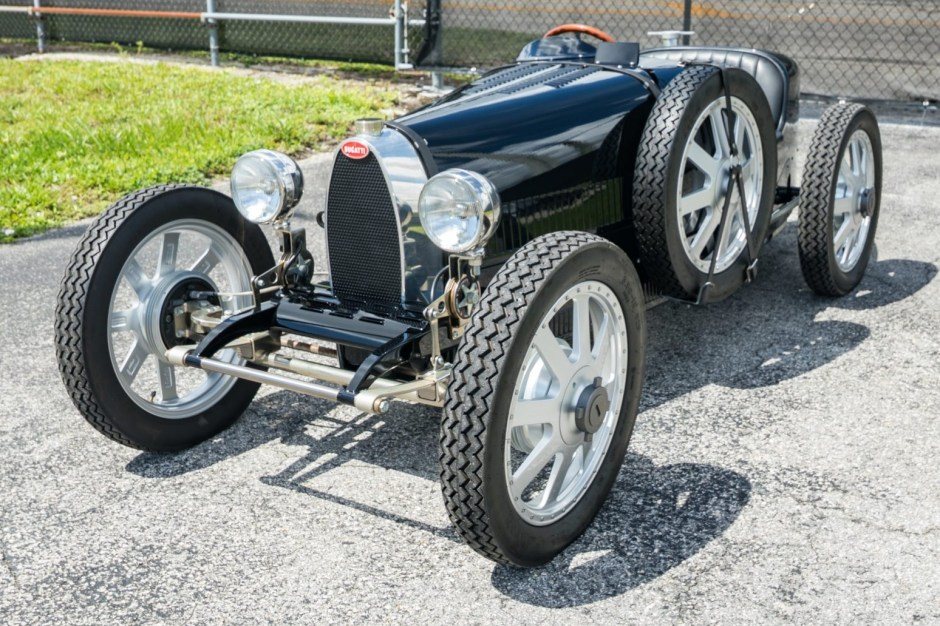
Bugatti Baby II Vitesse Goes to Auction at No Reserve
Economy 30
HMRC is writing to low earners about pension top-ups averaging about £70
News 126
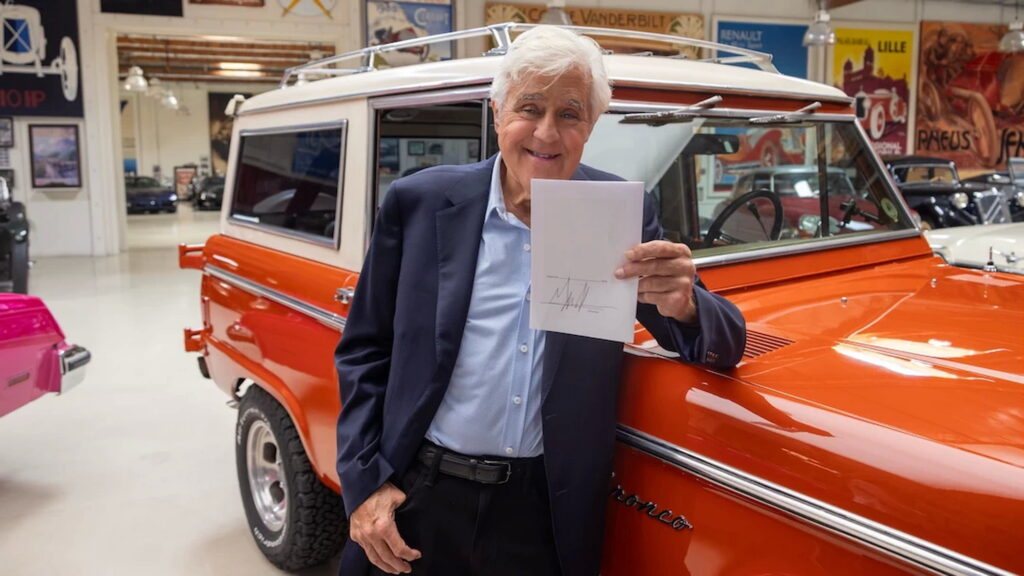
Newsom Signs Jay Leno's Law Easing Smog Checks for Classic Cars
Politics 105
Reform UK's Welsh Leader Dan Thomas Resigns After Arrest on Suspicion of Assault
Sports 236
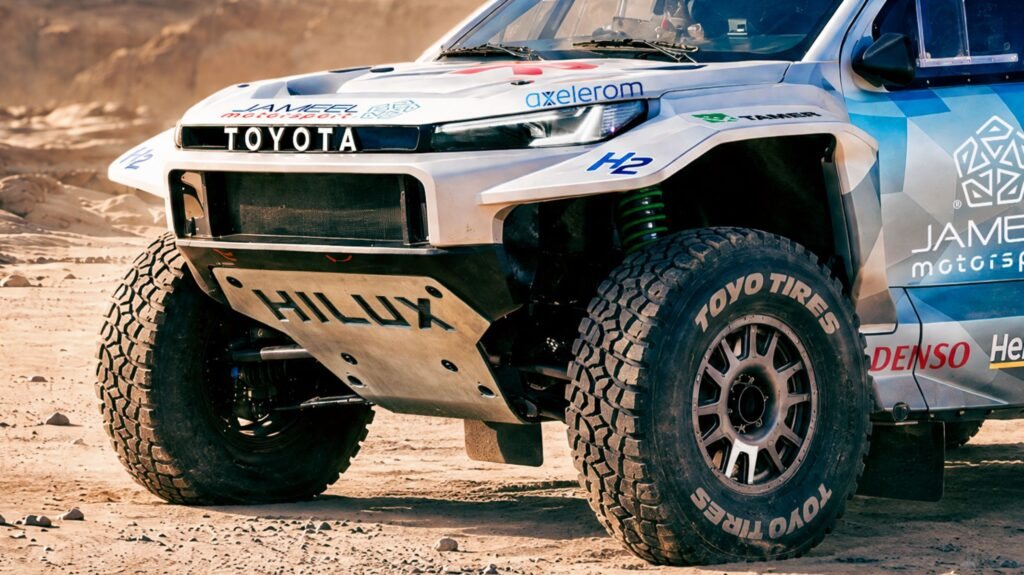
Toyota Unveils Hydrogen Fuel Cell Hilux for 2027 Dakar Rally
Technology 132
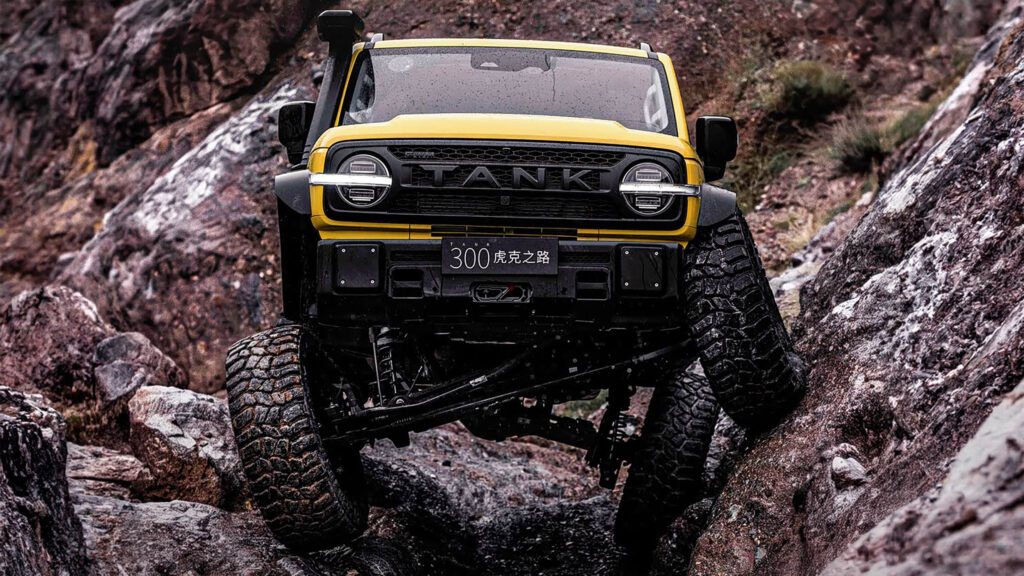
GWM Unveils Tank 300 Hooke Trail with Live Axle for Extreme Off-Roading
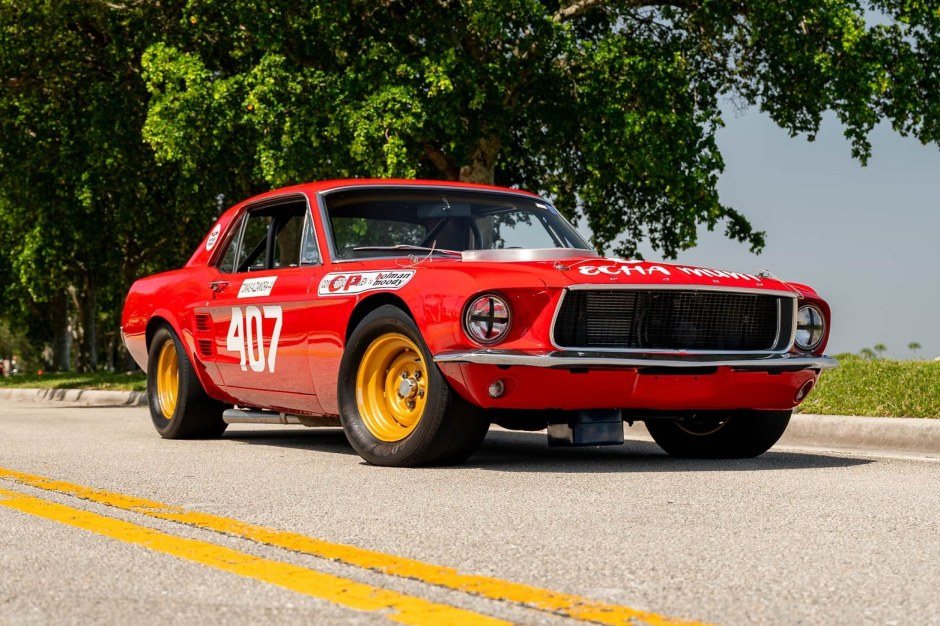
A 1967 Ford Mustang coupe, one of roughly 375 built at Ford's Lima, Peru, plant and later converted by Holman-Moody into an FIA-spec racer for Peruvian rally driver Cristobal Galjuf, is offered for sale in Florida with documented history.
By Charlotte Redford · 6 min read
A 1967 Ford Mustang coupe that began life at Ford's Lima, Peru, assembly plant and was later transformed by the legendary American racing outfit Holman-Moody into an FIA-specification competition car is being offered for sale in Florida. The car, one of approximately 375 examples manufactured at the Peruvian facility from October 1966, carries a documented competition history across Central and South America and is presented by Foreign Affairs Motorsports on consignment.
The Mustang was purchased new by Limeño road rally racer Cristobal Galjuf, who competed regionally under the pseudonym «Batman» to conceal his racing activities from his father. Galjuf used the car as daily transport until 1971, when it was shipped to Holman-Moody of Charlotte, North Carolina, for conversion into an FIA-spec racer. The build, claimed to have cost more than $20,000, was completed in 1972.
Galjuf campaigned the car in six road rallies across Central and South America during the season that followed. His most notable result was first overall in the 3,000-kilometre Frontera-Frontera, held on the Carretera Panamericana through the Andes Mountains of Chile and Peru. Upon completion of the Holman-Moody work, Galjuf reportedly rented Road Atlanta raceway to test the car. Following that test, the Mustang was disassembled into parts and flown to Peru to avoid detection, where Galjuf raced it using 400-sequence race numbers and achieved several wins before retiring from the sport.
A refresh was subsequently performed at Holman-Moody in anticipation of continued racing, but the car was soon retired and changed hands several times. It eventually landed in Lima's Museo de Autos Antiguos Colección Nicolini, where it was discovered and purchased in partially refurbished condition by a US collector in 2011. The restoration was completed by Cameron Bishop at Cuttingedge Hotrods and Fabrication of Phoenix, Arizona, in 2020. The current owner acquired the car in 2025.
The acid-dipped body is finished in red with period race livery and Holman-Moody decals. Exterior details include X-taped headlights, a lift-off hood, hood and trunk pins, a left-side mirror, chrome bumpers and side-exit exhaust outlets. The H&M Talladega Super Speedway front end uses reinforced and gusseted A-arms with dual shocks and custom valving, while an H&M Trans-Am setup with dual shocks and rally springs is employed at the rear. Braking is handled by 3½-inch-wide front and 2½-inch-wide rear drum brakes. The car rides on gold-painted H&M double-center steel wheels mounted with 8.00×15-inch Goodyear Blue Streak Sports Car Special racing tyres.
Inside, the cabin houses a roll cage and stock bucket seats wrapped in black vinyl with bolt-on bolsters and Lifeline safety harnesses. A fabricated switchbox is mounted between the seats, transmission and differential cooler assemblies sit on the floor behind the seats, and a spare wheel and tyre are secured beneath a metal strap spanning a roll cage crossbar and the form-fitted rear-seat-delete panel. Additional equipment includes sliding safety latches on the doors and a fire extinguisher. A padded two-spoke steering wheel fronts a stock dash panel housing a rebuilt Sun Tach 8k-rpm tachometer and Stewart-Warner gauges for oil pressure, fuel pressure, oil temperature and coolant temperature. The car has no odometer, and true mileage is unknown.
A vented ATC fuel cell with an H&M Super Speedway decklid filler is mounted in the trunk. The filler assembly features internal rollover check valves, an overflow funnel and a Halibrand quick-release cap. The retrofitted 302ci V8 was rebuilt by Holman-Moody in 1991. It features a Ford Racing high-nickel block fitted with NASCAR-sourced Cleveland-style aluminium heads from Bud Moore Engineering, an H&M acid-etched crankshaft, connecting rods and pistons, a Roush-prepped Ford Motorsport intake manifold and a Holley four-barrel carburettor topped by an aluminium cowl-induction airbox. The engine is further equipped with an MSD distributor, an H&M remote dual oil filter kit, a re-cored and polished oil cooler, a replacement mechanical fuel pump, breather-tube valve covers and a re-cored aluminium radiator with a Harrison expansion tank.
Power is sent through a Toploader four-speed manual transmission with a reinforced case, carbon-fibre synchro rings and David Kee bearings and internals, while the H&M floating 9-inch rear end features oversized hubs and 4-inch interior-diameter bearings. A serial number plate attached to the firewall identifies the car as a Holman-Moody creation. A second plate inside the driver's door bears a serial number for Lima's José Pardo Instituto de Educación Superior Tecnológico Público, which has ties to Peruvian racing through its automotive engineering programme.
The car is accompanied by a three-ring binder containing its history and documentation and is sold on a bill of sale. It is believed the car was flown to Miami in 1971, where Holman-Moody collected it for transport to their facility and completion of the build.