Business 308
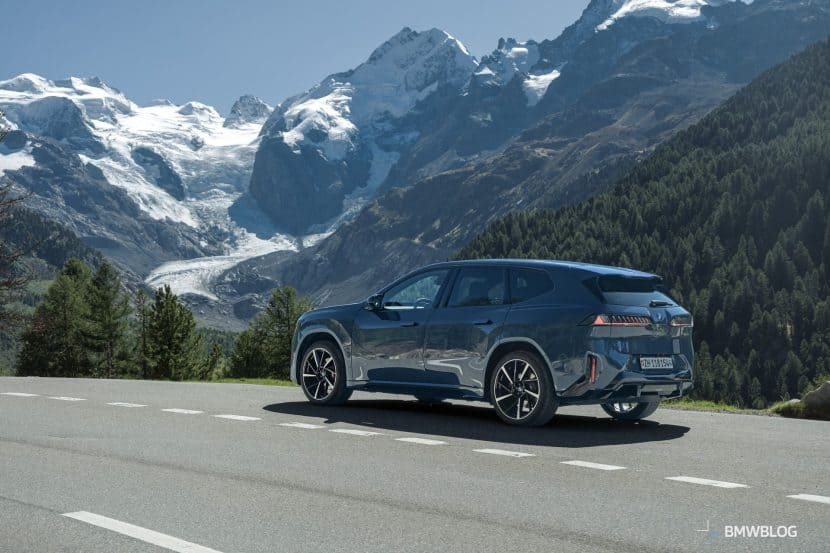
BMW iX3 handles better than the combustion X3 thanks to its electric drivetrain
In this issue
Business 308
BMW iX3 handles better than the combustion X3 thanks to its electric drivetrain
Culture 338
Main suspect in Madeleine McCann case no longer under round-the-clock police surv…
Economy 48
Three Tankers Reportedly Strike Mines in Strait of Hormuz
News 161
Private parking firms face pressure as UK motorists call for fairer rules
Politics 121
Burnham denies stopping ministers from discussing closer EU ties
Sports 296
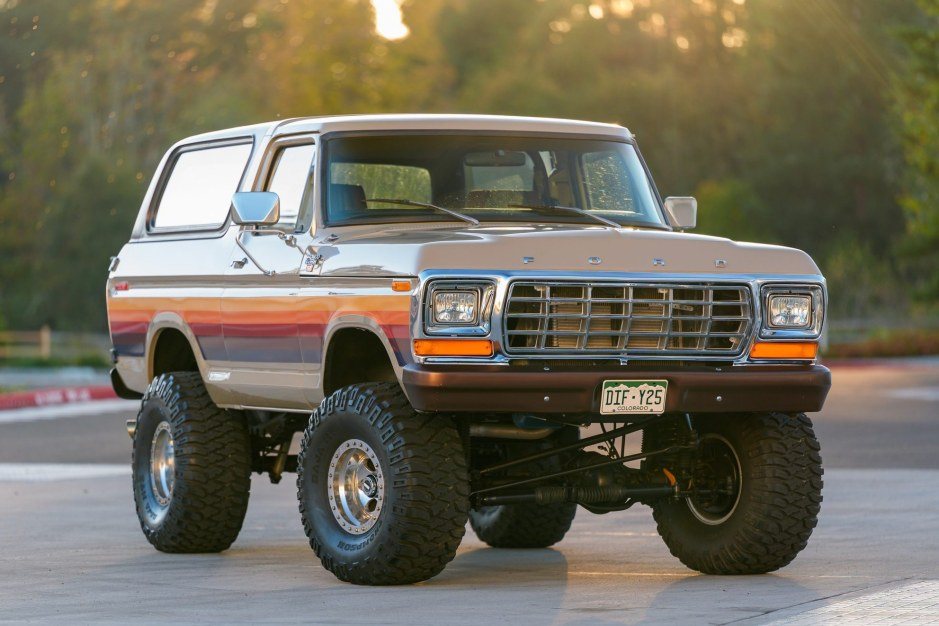
Modified 1978 Ford Bronco with 460 V8 heads to auction without reserve
Technology 352
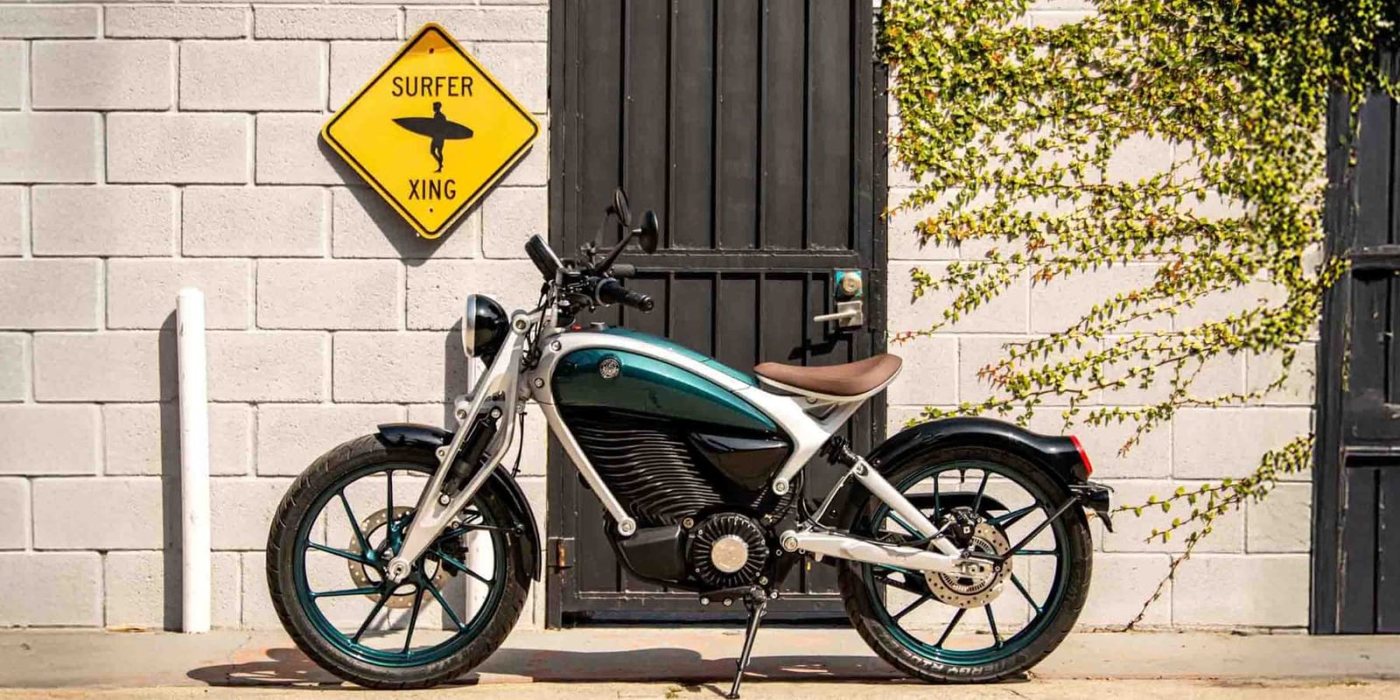
Electric motorcycles will replace petrol bikes, but not the way many expect
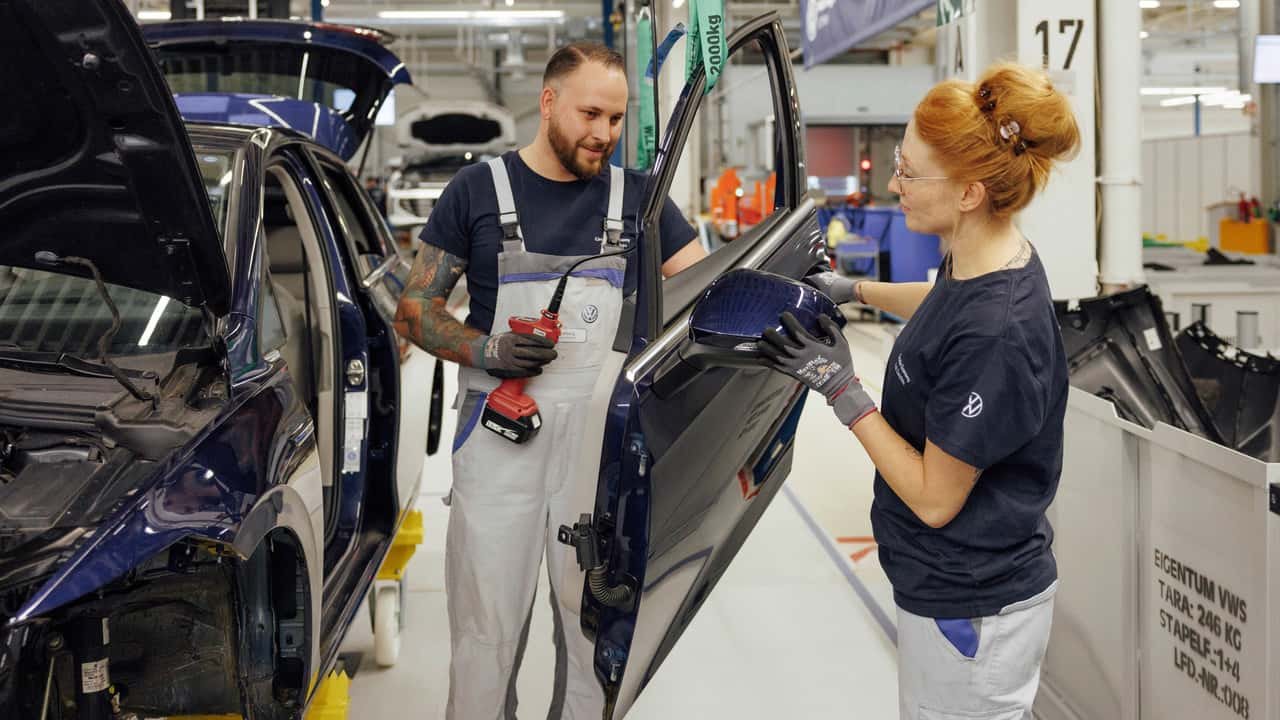
Volkswagen plans to take apart 4,100 vehicles a year at its Zwickau electric-car factory, reselling reusable components through a factory-backed used-parts business.
By George Kensington · 2 min read
Volkswagen is turning its electric-vehicle factory in Zwickau, eastern Germany, into a site that takes cars apart. The carmaker plans to dismantle 4,100 vehicles a year there and sell the reusable components through a used-parts business backed by the factory itself.
The move reflects a broader shift in how carmakers think about the value left in vehicles at the end of their working lives. Rather than sending whole cars to scrap, the company intends to recover parts that can still be used, giving them a second life and a new revenue stream. The Zwickau plant has been central to Volkswagen's electric-vehicle production, which makes the decision to repurpose part of its operations notable.
For the business, the appeal lies in the economics of reuse. Components recovered from dismantled vehicles can be sold to customers looking for affordable replacements, while the factory keeps value that would otherwise leave the company when a car is recycled as raw material. Running the process as a formal, factory-backed operation also gives Volkswagen greater control over the quality and traceability of the parts it resells.
The initiative fits into a wider effort across the automotive industry to build circular supply chains, in which materials and components are recovered and reused rather than discarded. As the number of electric vehicles on the road grows, the question of what happens to them at the end of their lives is becoming more pressing for manufacturers, regulators and buyers alike.
The source material supplied for this story is limited, and the figures available are confined to the planned annual volume of 4,100 dismantled vehicles and the description of the used-parts business as factory-backed. No further verified figures, timelines, names of executives, quotes or reactions from regulators, competitors or customers were included in the package, so the account cannot be extended beyond these points without introducing unconfirmed detail.
5