Business 307
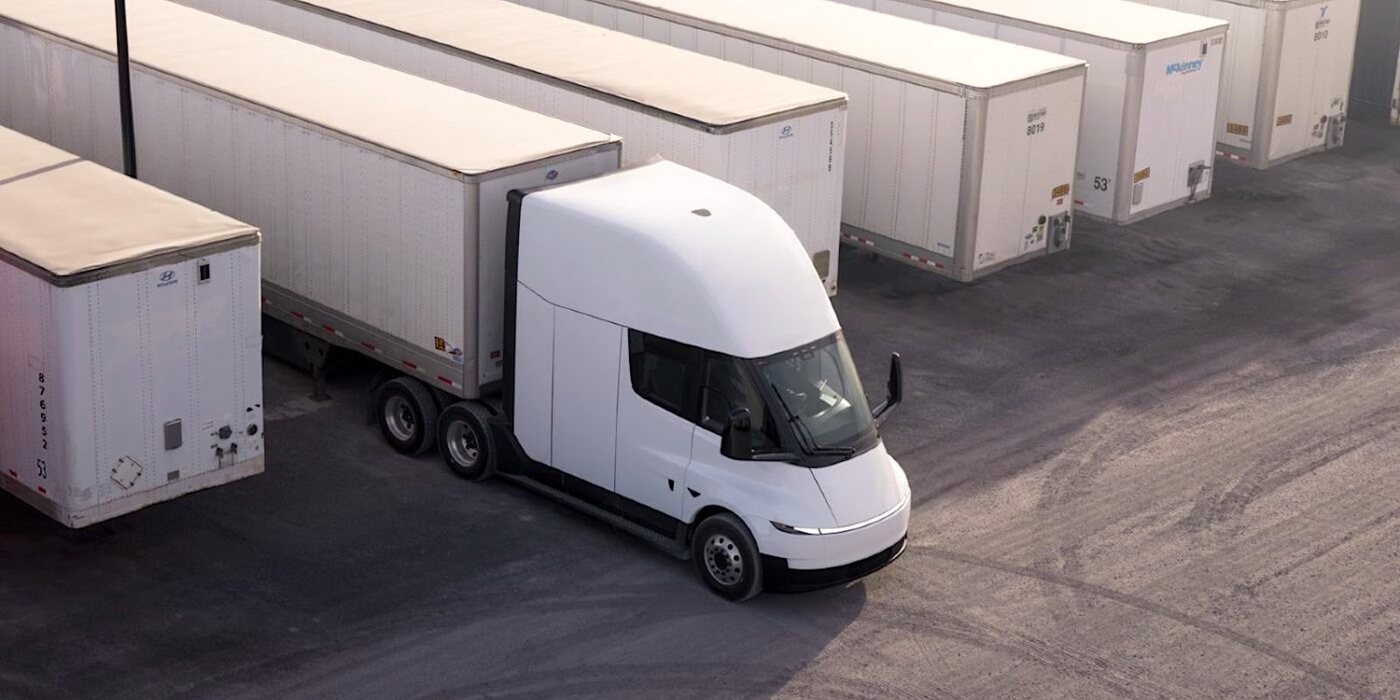
Volkswagen plant in Zwickau starts dismantling electric cars for used parts
In this issue
Business 307
Volkswagen plant in Zwickau starts dismantling electric cars for used parts
Culture 338
Main suspect in Madeleine McCann case no longer under round-the-clock police surv…
Economy 48
Three Tankers Reportedly Strike Mines in Strait of Hormuz
News 161
Private parking firms face pressure as UK motorists call for fairer rules
Politics 121
Burnham denies stopping ministers from discussing closer EU ties
Sports 296
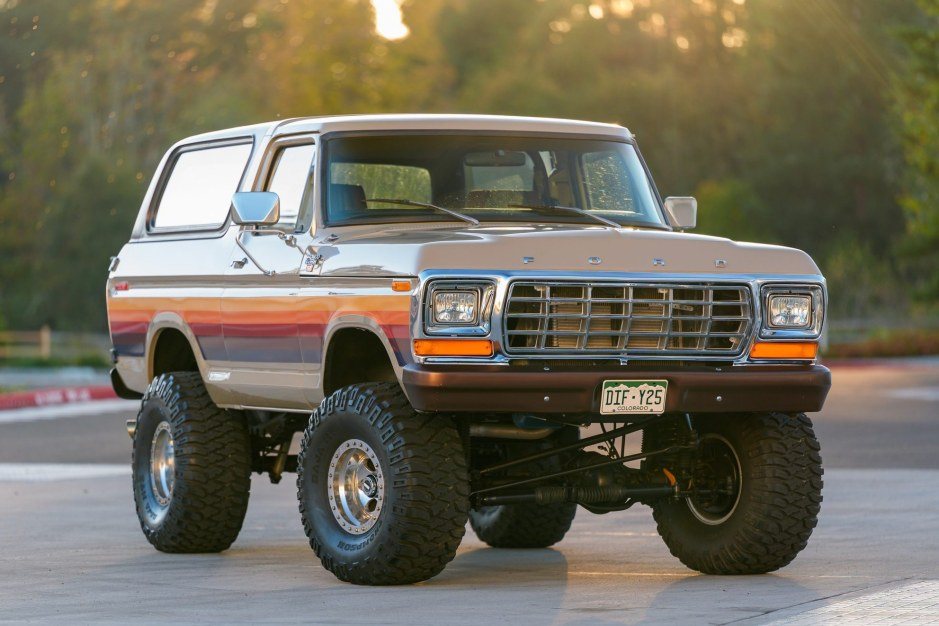
Modified 1978 Ford Bronco with 460 V8 heads to auction without reserve
Technology 352
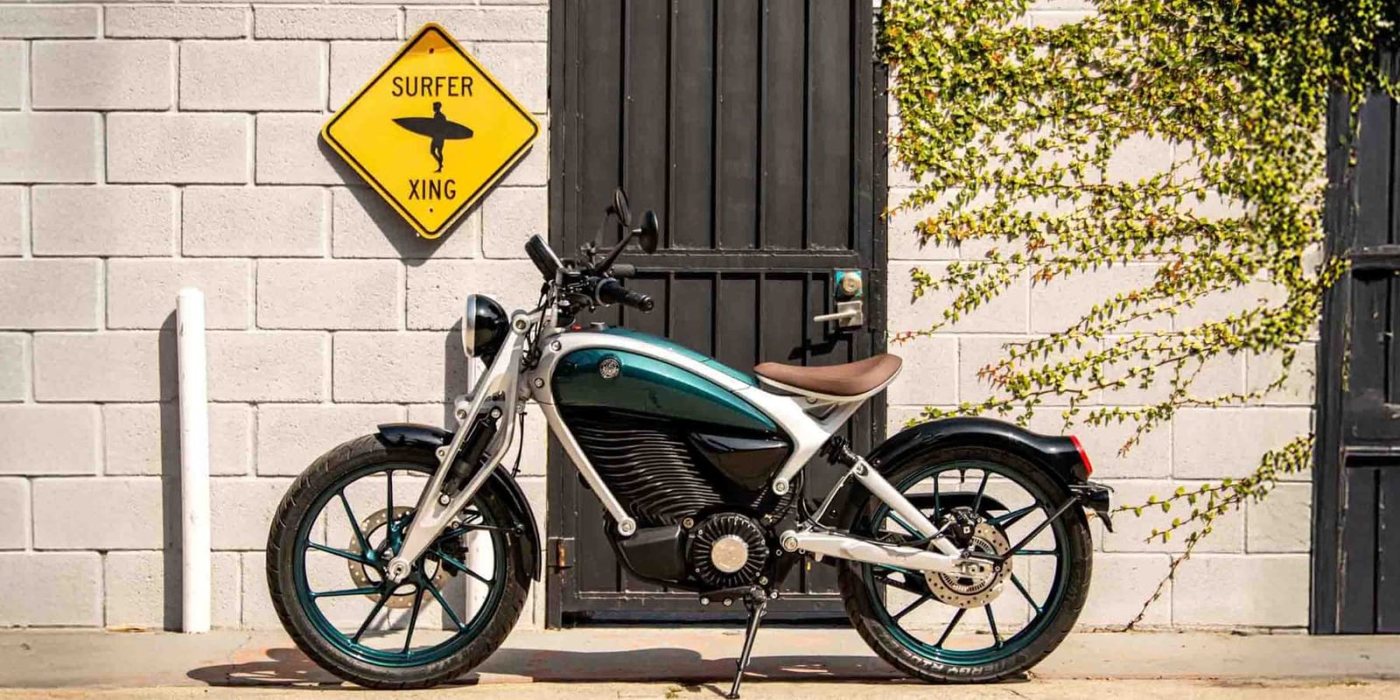
Electric motorcycles will replace petrol bikes, but not the way many expect
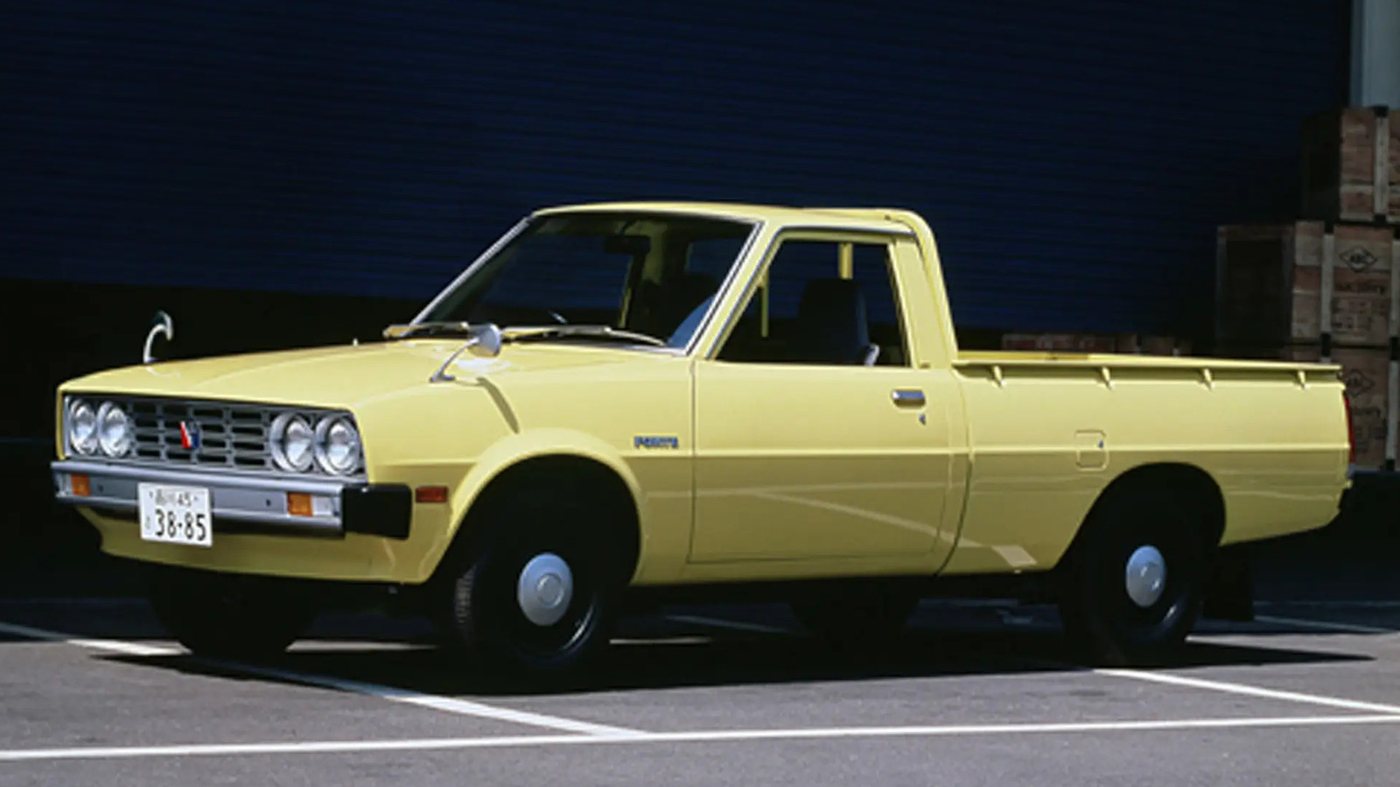
Chrysler was slow to enter the American small-truck segment, and its eventual offering was a rebadged Mitsubishi model, while GM and Ford had already partnered with Japanese makers.
By Eleanor Ellington · 1 min read
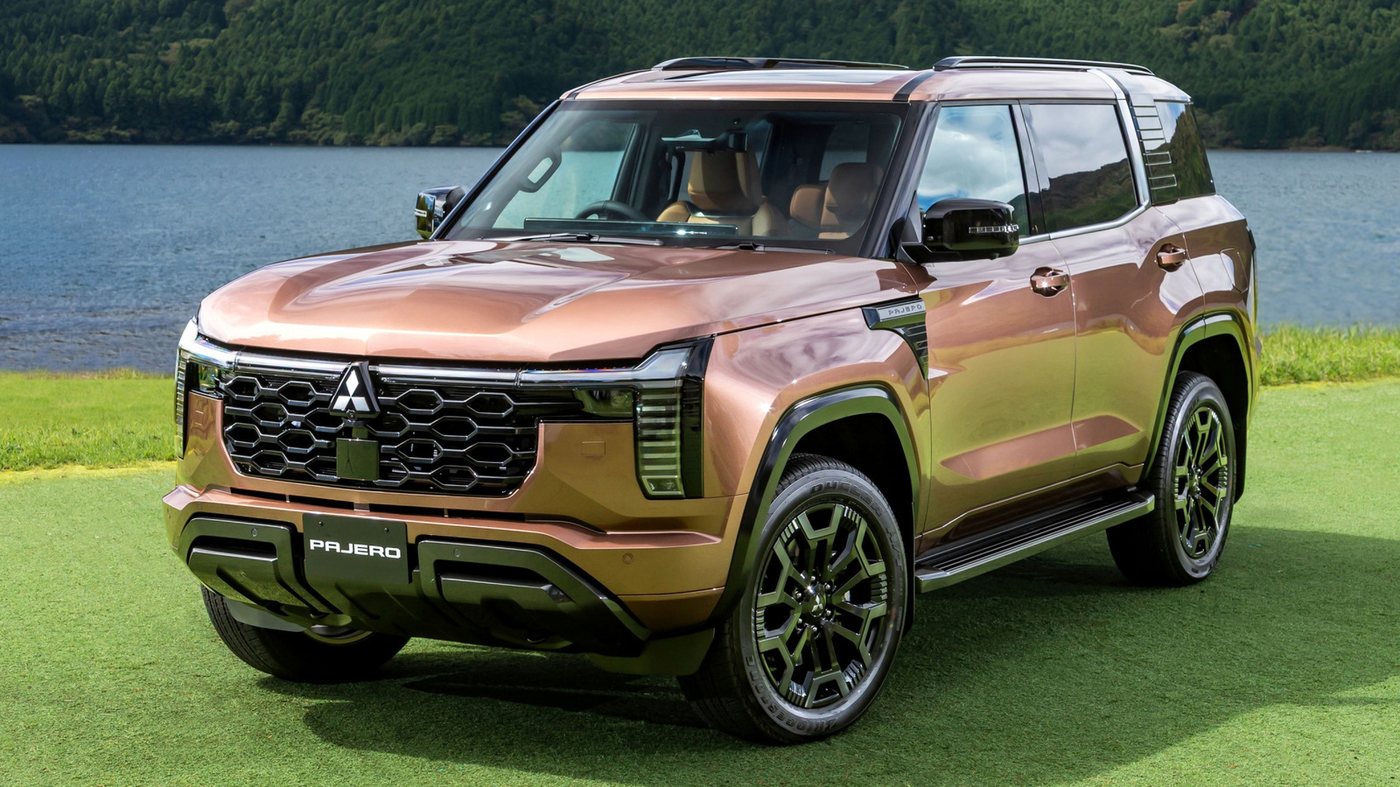
Chrysler arrived late to the American compact pickup market, and when it did, it sold a truck built by someone else. The Dodge badge on its small truck was placed on a vehicle developed by Mitsubishi, the Japanese manufacturer, rather than on a model designed in Detroit.
The timing mattered. As American buyers' tastes shifted during the 1960s and 1970s, demand grew for smaller, more economical trucks than the full-size pickups that had long dominated US showrooms. General Motors and Ford responded by partnering with Japanese companies to bring compact trucks to market, allowing them to serve that growing segment without building the vehicles from scratch.
Chrysler was well behind its rivals. By the time it moved into the category, GM and Ford had already established their positions with Japanese-sourced small trucks, leaving Dodge to enter a market where the early movers had secured a head start. The decision to rebadge a Mitsubishi model reflected that gap, giving Chrysler a product to offer buyers while relying on a partner's engineering rather than its own.
7