
Business 304
A 1986 Porsche 944 Turbo with 57,000 miles goes up for auction
In this issue
Business 304
A 1986 Porsche 944 Turbo with 57,000 miles goes up for auction
Culture 338
Main suspect in Madeleine McCann case no longer under round-the-clock police surv…
Economy 48
Three Tankers Reportedly Strike Mines in Strait of Hormuz
News 161
Private parking firms face pressure as UK motorists call for fairer rules
Politics 121
Burnham denies stopping ministers from discussing closer EU ties
Sports 295
BMW unveils one-off M3 tribute to late racing driver Alex Zanardi
Technology 352
Electric motorcycles will replace petrol bikes, but not the way many expect
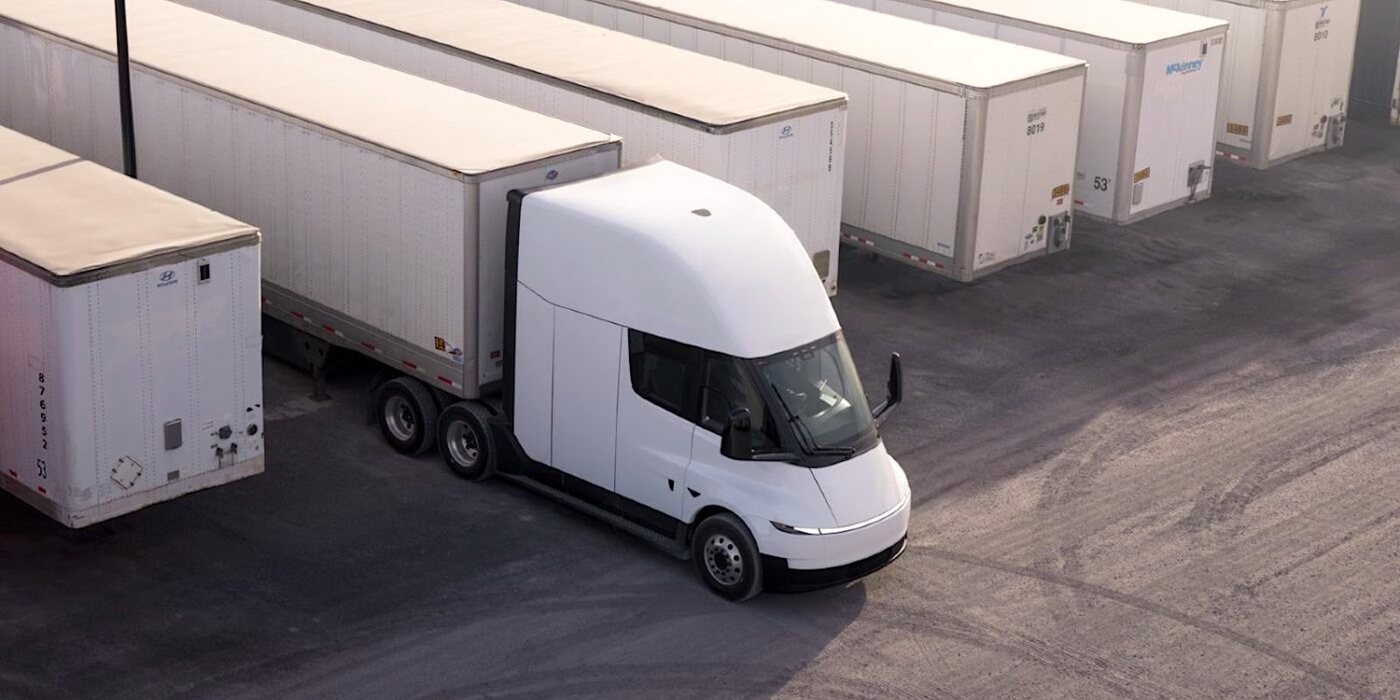
The updated Section 179 provision under the OBBA law expands the tax deduction for companies that switch their fleets from diesel to electric vehicles.
By Eleanor Ellington · 3 min read
The expanded Section 179 tax deduction could significantly accelerate the transition of commercial fleets in the United States from diesel to electric power. This is according to a report from the Electrek portal, which notes that national diesel prices are approaching seven dollars per gallon, and that heavy electric Tesla Semi trucks, costing around 290,000 dollars, are beginning to reach buyers.
The reference is to the provisions of the Trump's One Big, Beautiful Bill Act, known as OBBA, which strengthened the Section 179 rule. This mechanism allows businesses to deduct the cost of equipment and vehicles as expenses in the year they are placed in service, rather than spreading the cost over many years through depreciation. For fleet owners, this means a faster reduction of the taxable base at the time of purchase, and this is precisely why the publication is returning to this rule now.
The high cost of electric trucks and commercial vans has traditionally remained the main barrier for fleets that account for their operations using the familiar logic of diesel equipment. The ability to write off a substantial portion of the costs in the first year can partially offset this price gap. At the same time, the tax effect alone does not automatically make electrification profitable. The decision depends on vehicle mileage, the cost of charging infrastructure, operating schedules and current fuel prices, and these parameters differ for each fleet.
Rising diesel prices make the calculation especially relevant. The higher the fuel cost, the faster electric trucks pay off through savings on energy and maintenance, since electric powertrains have fewer moving parts requiring regular repair. For companies that regularly travel long distances on interstate routes, this effect can be especially tangible, and the Section 179 deduction serves as an additional financial lever precisely at the moment of purchase.
Electrek emphasizes that the issue is not limited to taxes alone. For many operators, the combination of three factors is important: the availability of vehicles from manufacturers, the readiness of depots to install charging stations, and the predictability of electricity costs. The deduction reduces the initial burden on the budget but does not eliminate the need to calculate the total cost of ownership over a horizon of several years.
The material also reminds readers that the conditions for applying Section 179 have their own limitations and require precise compliance with accounting rules, so companies are advised to discuss the details in advance with tax advisors and financial specialists. The portal points out that purchasing decisions should be made on the basis of specific calculations, not only on general expectations from tax incentives.
4