Business 306
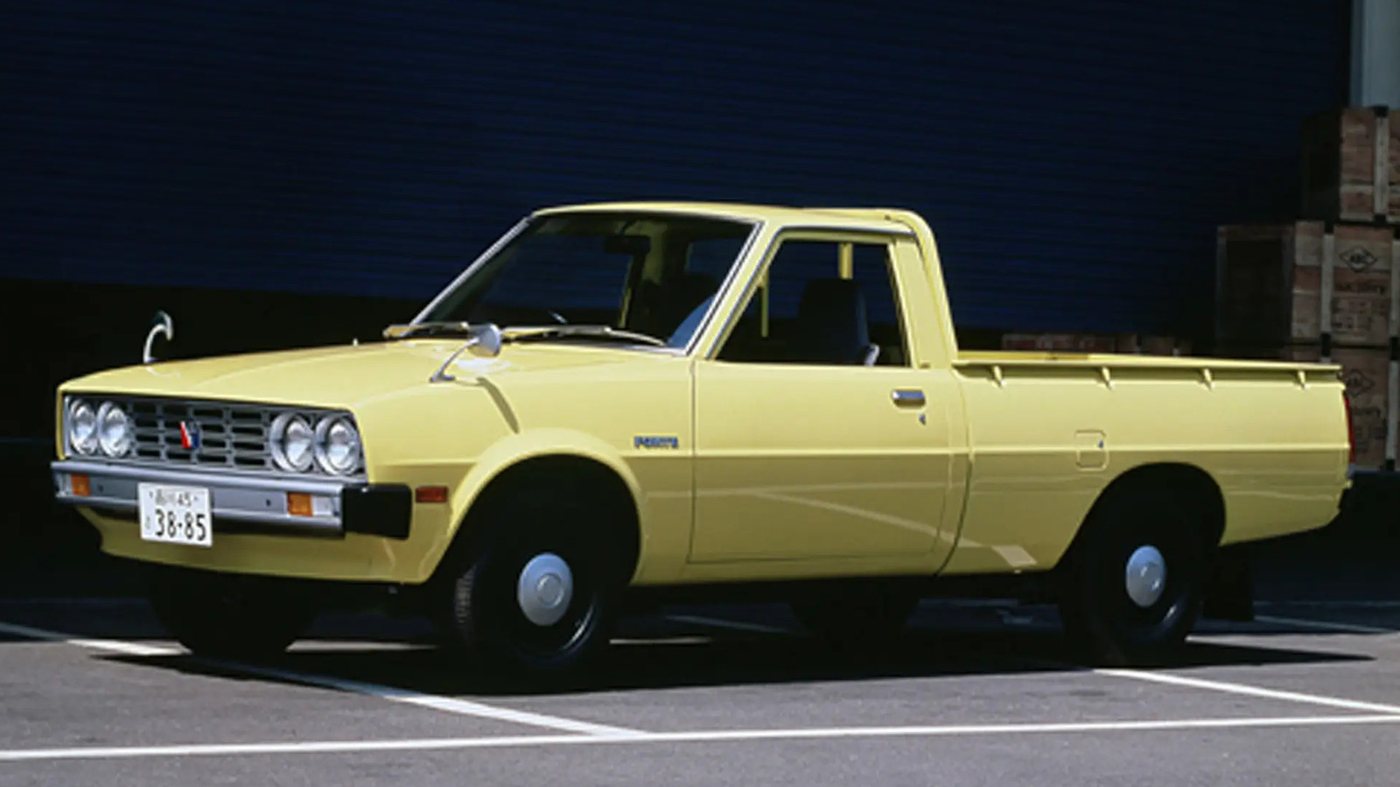
Dodge entered the US compact truck market late with a rebadged Mitsubishi
In this issue
Business 306
Dodge entered the US compact truck market late with a rebadged Mitsubishi
Culture 338
Main suspect in Madeleine McCann case no longer under round-the-clock police surv…
Economy 48
Three Tankers Reportedly Strike Mines in Strait of Hormuz
News 161
Private parking firms face pressure as UK motorists call for fairer rules
Politics 121
Burnham denies stopping ministers from discussing closer EU ties
Sports 296
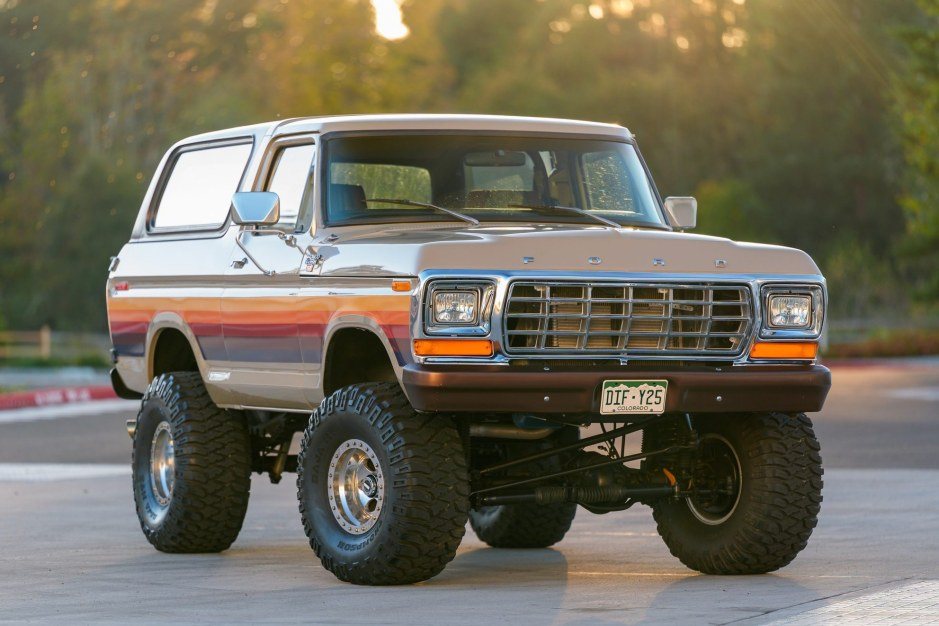
Modified 1978 Ford Bronco with 460 V8 heads to auction without reserve
Technology 352
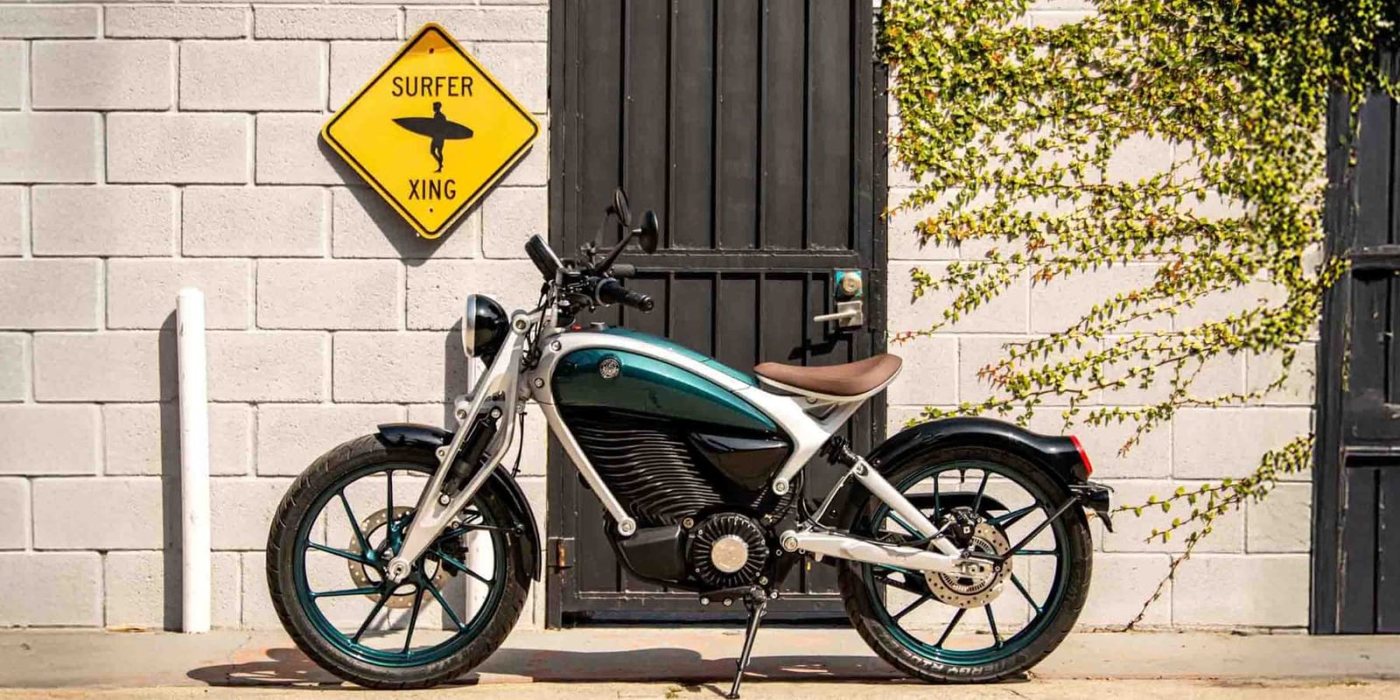
Electric motorcycles will replace petrol bikes, but not the way many expect
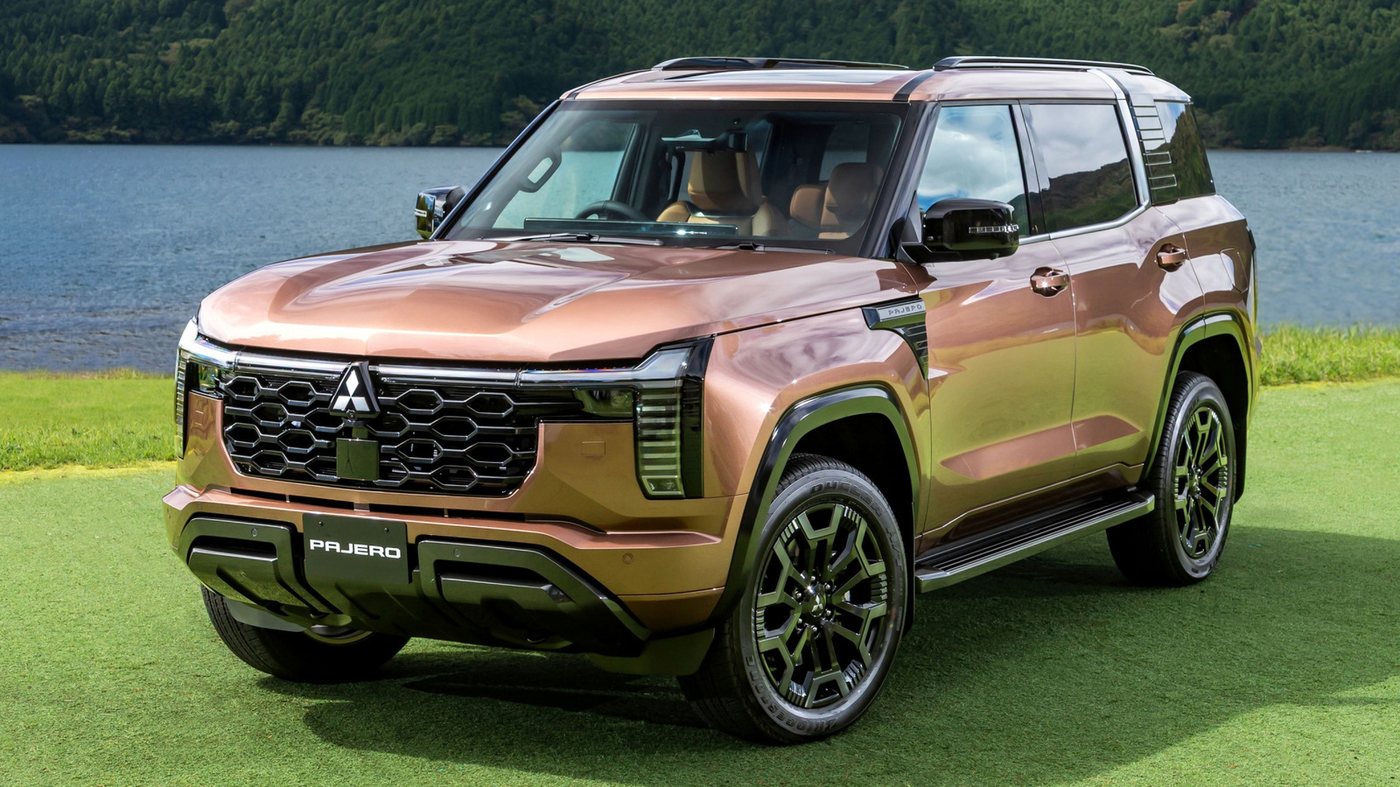
Mitsubishi says most early orders for its relaunched Pajero are coming from customers who do not usually buy from the brand, a sign it may be pulling buyers from Toyota's Land Cruiser.
By Edward Beaumont · 3 min read
Mitsubishi's relaunched Pajero has not yet reached showrooms, yet the company says the large majority of orders already placed are coming from people who do not usually buy its vehicles. That early pattern suggests the returning off-roader is winning over shoppers who might otherwise have looked at rivals, including Toyota's Land Cruiser.
The revival matters for Mitsubishi as much as for the wider segment of large, body-on-frame four-wheel-drive models. The Pajero has a long history in the premium off-road market, and bringing it back gives the brand a flagship to compete with some of the best-selling sport utility vehicles in the category. Orders arriving from outside the existing customer base indicate that the new model is drawing attention well beyond the company's established following, which is a meaningful signal for a nameplate that has been absent from the market.
For Toyota, the Land Cruiser has long been the reference point for durability and off-road capability, so any competitor drawing buyers from it will be watched closely by dealers and analysts. The source material does not give order volumes, pricing or delivery timelines, so it is not possible to measure how many sales are being diverted or over what period. What the company has confirmed is the direction of demand: new buyers are arriving before the vehicle is on sale, and the shift in who is ordering is the most telling detail so far.
The distinction between loyal customers and newcomers is important for a manufacturer rebuilding a presence in a crowded segment. Repeat buyers keep a brand steady, but orders from new customers are what expand its reach, and in this case the Pajero appears to be doing the latter. Mitsubishi's statement, as reported, centres on the proportion of orders rather than a headline number, which means the scale of the shift remains unquantified.
Whether that early interest converts into sustained sales will depend on factors that have yet to be tested in the market, including how the Pajero is priced against the Land Cruiser and how it performs once owners begin to use it on road and off it. Until deliveries start and buyers can compare the vehicle on the ground, the orders remain an early indicator rather than a finished result. For now, the clearest fact is that the relaunch has already produced demand from outside the brand's usual base, and the next signals will come as the model moves from order books into showrooms.
7