
Business 201
Geely Confirms Canadian Launch for 2027
In this issue
Business 201
Geely Confirms Canadian Launch for 2027
Culture 231
GT500E-Style 1967 Ford Mustang Fastback with 437 Stroker V8 Heads to Auction
Economy 37
Russia's EV Share Overtakes US as Fuel Shortages Bite
News 149
Weekly Exercise Linked to Slower Memory and Movement Decline in Parkinson's Patie…
Politics 111
Trump Names Katie Zacharia as White House Press Secretary
Sports 265
Southampton to Host Portsmouth in Scheduled Fixture on 11 October 2026
Technology 262
Nio Completes 1.2 Million Battery Swaps in a Single Week
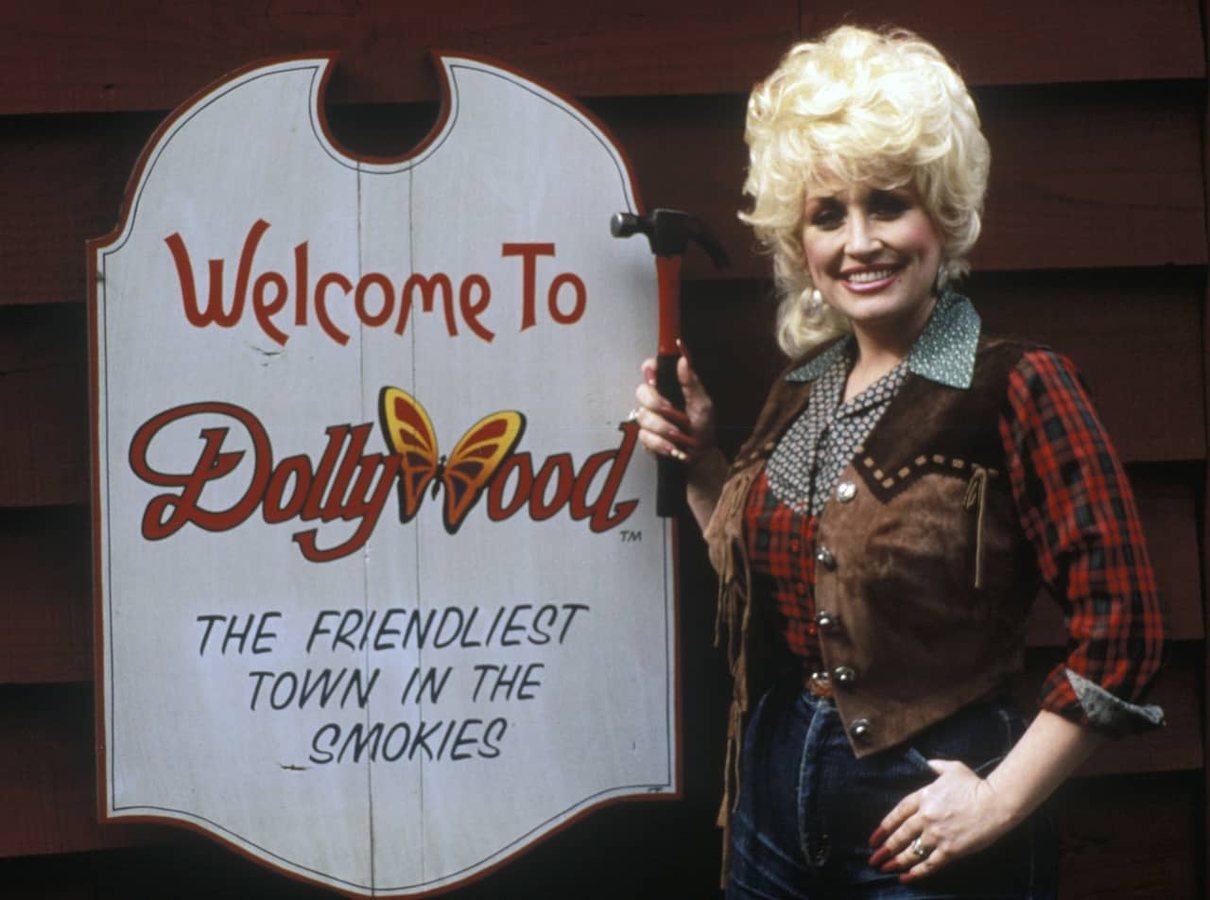
From a durable song catalogue to Dollywood, Dolly Records and a global literacy programme, Parton’s achievements show how cultural authority can be converted into long-term institutions.
By George Kensington · 5 min read
Dolly Parton’s public image invited people to underestimate the machinery behind it. That was part of its brilliance. The jokes, rhinestones and warmth made the star look effortless, while the career underneath was built through an unusually disciplined sequence of authorship, calculated expansion and institution-building.
Parton died in Nashville at 80, but her long game remains visible in assets and organisations that continue to operate. Her example is worth studying not as celebrity mythology but as a model of creative ownership.
The foundation was songwriting. Parton came from Locust Ridge, Tennessee, and entered the national country market through The Porter Wagoner Show in 1967. Wagoner gave her scale, but not her final identity. Her first solo country No. 1, “Joshua,” arrived in 1971. In 1974 she landed three more: “Jolene,” “Love Is Like a Butterfly” and “I Will Always Love You.” The Country Music Hall of Fame regards that early-to-mid-1970s stretch as the most creatively fertile period of her country career.
“I Will Always Love You” was created as Parton prepared to leave Wagoner’s programme. It is difficult to imagine a cleaner demonstration of how a strong piece of intellectual property can outlive the circumstances that produced it. Her version reached No. 1 in 1974 and again in a new recording in 1982. Whitney Houston’s 1992 cover moved the composition into a different commercial universe altogether.
Parton’s next move was to widen the market rather than live indefinitely inside the successful niche. “Here You Come Again” reached No. 3 on the American pop chart in 1977 and brought her first Grammy. She became CMA Entertainer of the Year in 1978. The 1980 film “9 to 5” expanded her into cinema, while the title song topped both the country and pop charts, won two Grammys and received an Oscar nomination. “Islands in the Stream” with Kenny Rogers topped pop, country and adult contemporary charts in 1983.
This was the peak of Parton’s mass-market visibility. Crucially, the expansion did not require a generic rebrand. She rejected industry advice that her flamboyant clothes and hair could distract from serious talent. The visual identity was treated as an owned asset: consistent, unmistakable and difficult for anyone else to define on her behalf.
By 1986, Parton was ready to turn cultural capital into a place. She joined Herschend Family Enterprises and the East Tennessee park reopened as Dollywood. It drew 1.3 million visitors in its first year, roughly 75 per cent more than the previous season under the old name. It later became Tennessee’s most-visited tourist attraction and regularly received more than two million visitors annually.
The strategic strength of Dollywood lies in alignment. It did not ask Parton to attach her name to an unrelated product. It sold the geography, music, crafts and family mythology that had always powered her songs. The business made the origin story economically productive while keeping jobs and tourism linked to the region.
The Imagination Library followed a similar pattern. Founded in 1995 because Parton’s father had never learned to read or write, it began in her home county and then scaled. By August 2026, more than 330 million books had been distributed globally. After the 2016 wildfires in Tennessee, her My People Fund distributed about $12 million to affected families. Philanthropy did not sit outside the brand; it made the claim of loyalty to home measurable.
Parton later founded Dolly Records in 2007. She also wrote the score and lyrics for the Broadway version of “9 to 5,” receiving a Tony nomination. Those projects kept creative work inside structures she could shape rather than merely selling appearances to other institutions.
The numbers at the end of her life were still substantial. Career record sales exceeded 100 million, and on Aug. 19, 2026, her organisation announced 82 new sales certifications across 14 countries. The Recording Academy lists 10 Grammy wins and 55 nominations.
Leadership is often discussed as a matter of charisma. Parton had an abundance of it, but charisma alone does not explain a catalogue that compounds for half a century or a literacy network that distributes hundreds of millions of books. Her larger achievement was to build structures around the charisma so that value, identity and purpose survived beyond the moment of attention.
57