Business 201
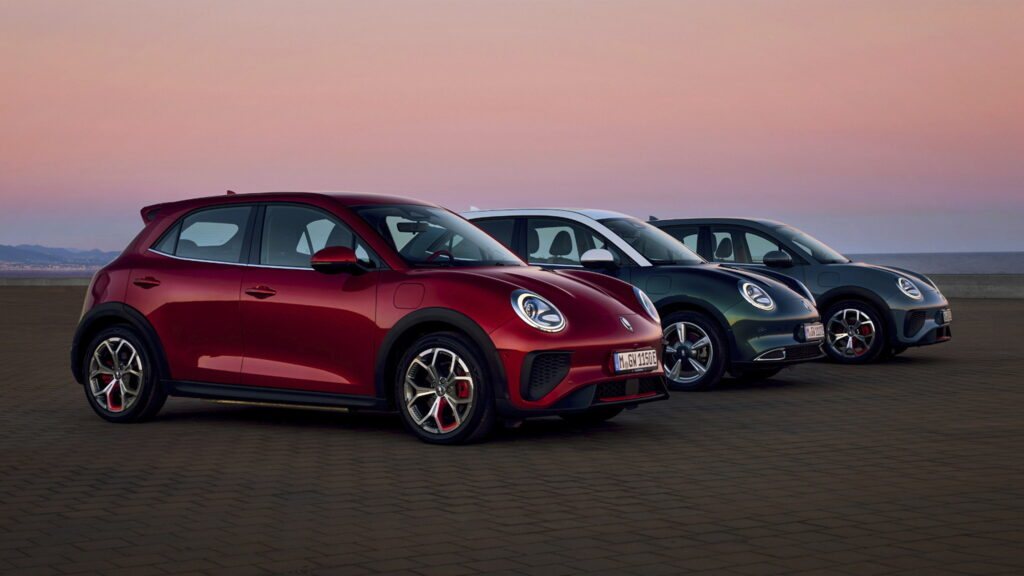
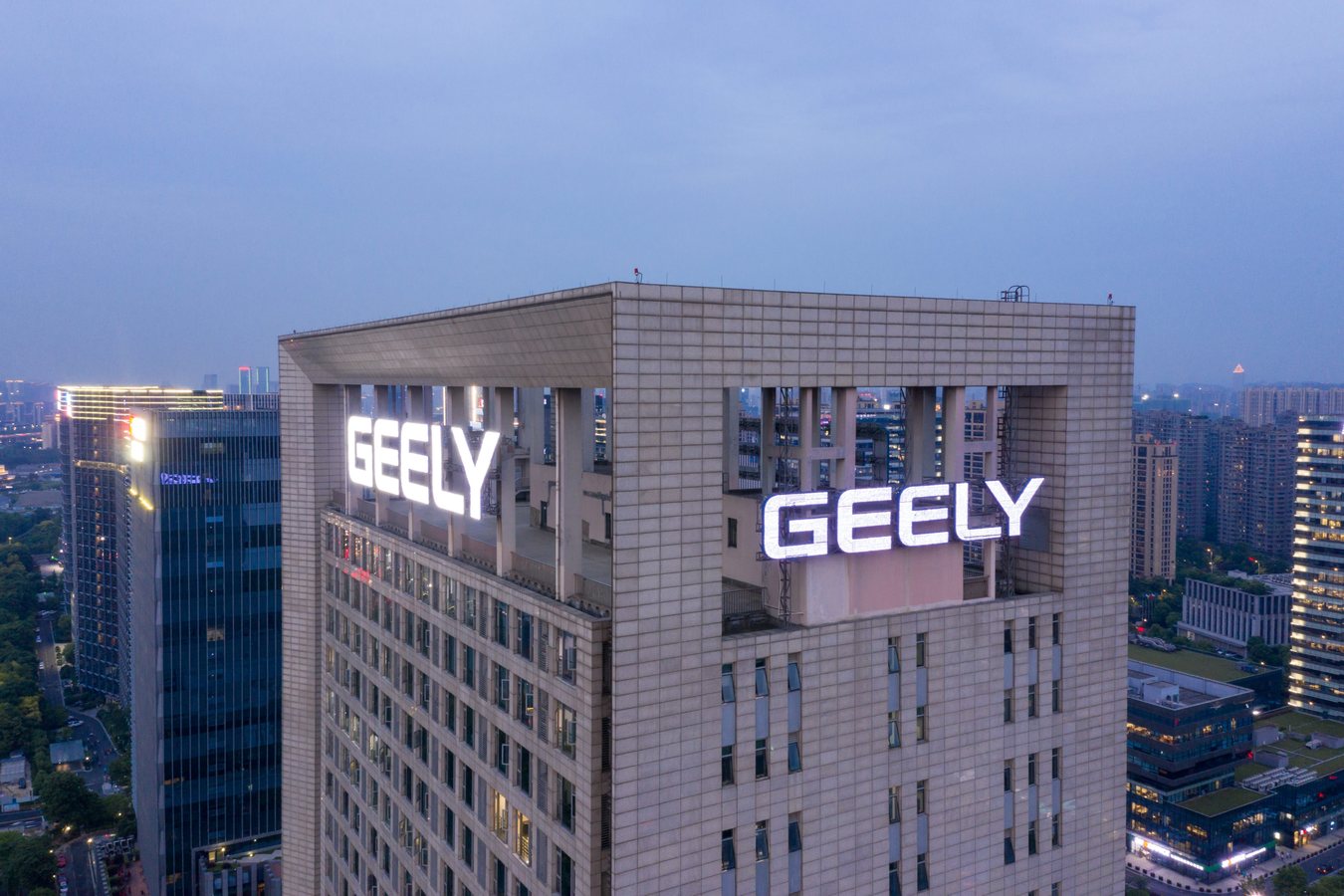
Geely Confirms Canadian Launch for 2027
In this issue
Business 201
Geely Confirms Canadian Launch for 2027
Culture 231
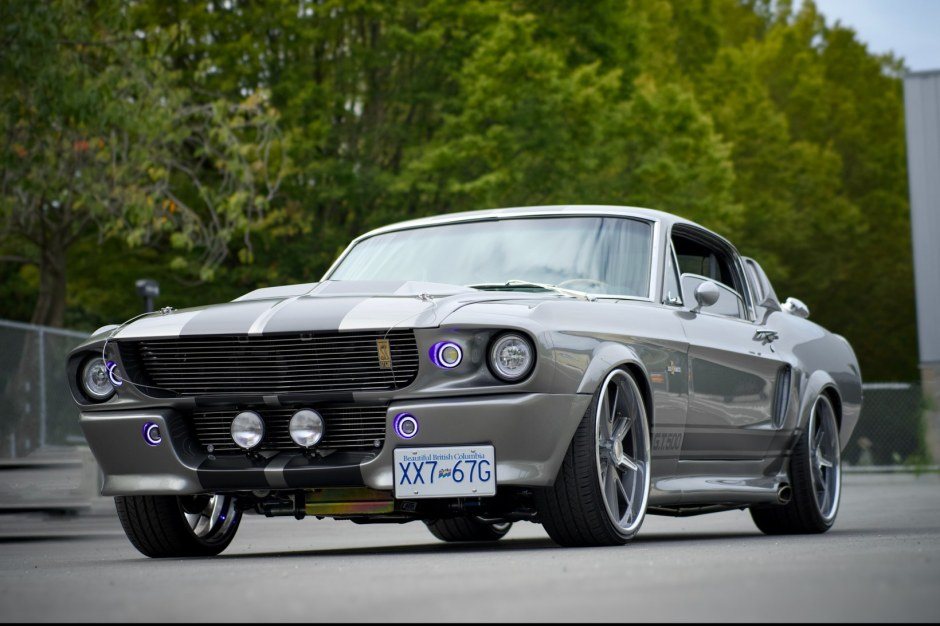
GT500E-Style 1967 Ford Mustang Fastback with 437 Stroker V8 Heads to Auction
Economy 37
Russia's EV Share Overtakes US as Fuel Shortages Bite
News 149
Weekly Exercise Linked to Slower Memory and Movement Decline in Parkinson's Patie…
Politics 111
Trump Names Katie Zacharia as White House Press Secretary
Sports 265
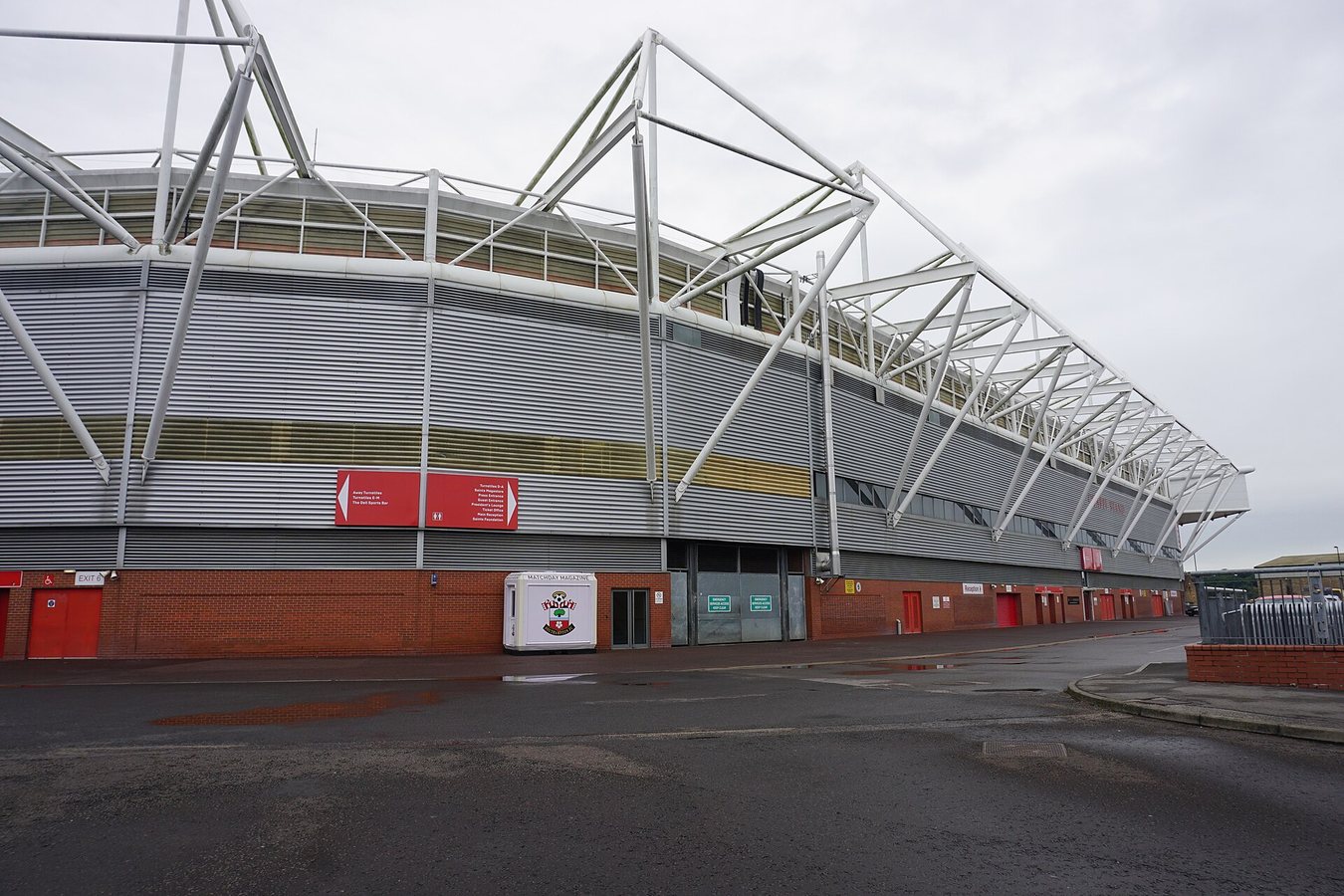
Southampton to Host Portsmouth in Scheduled Fixture on 11 October 2026
Technology 262
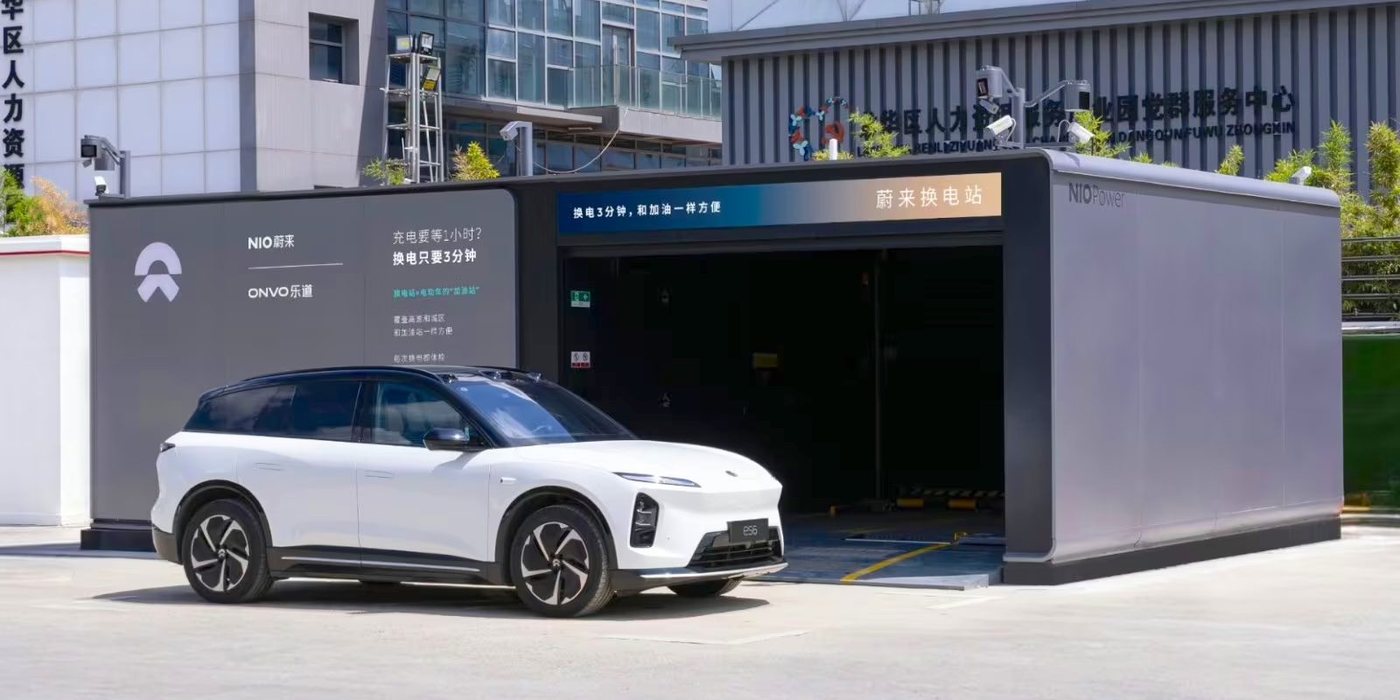
Nio Completes 1.2 Million Battery Swaps in a Single Week
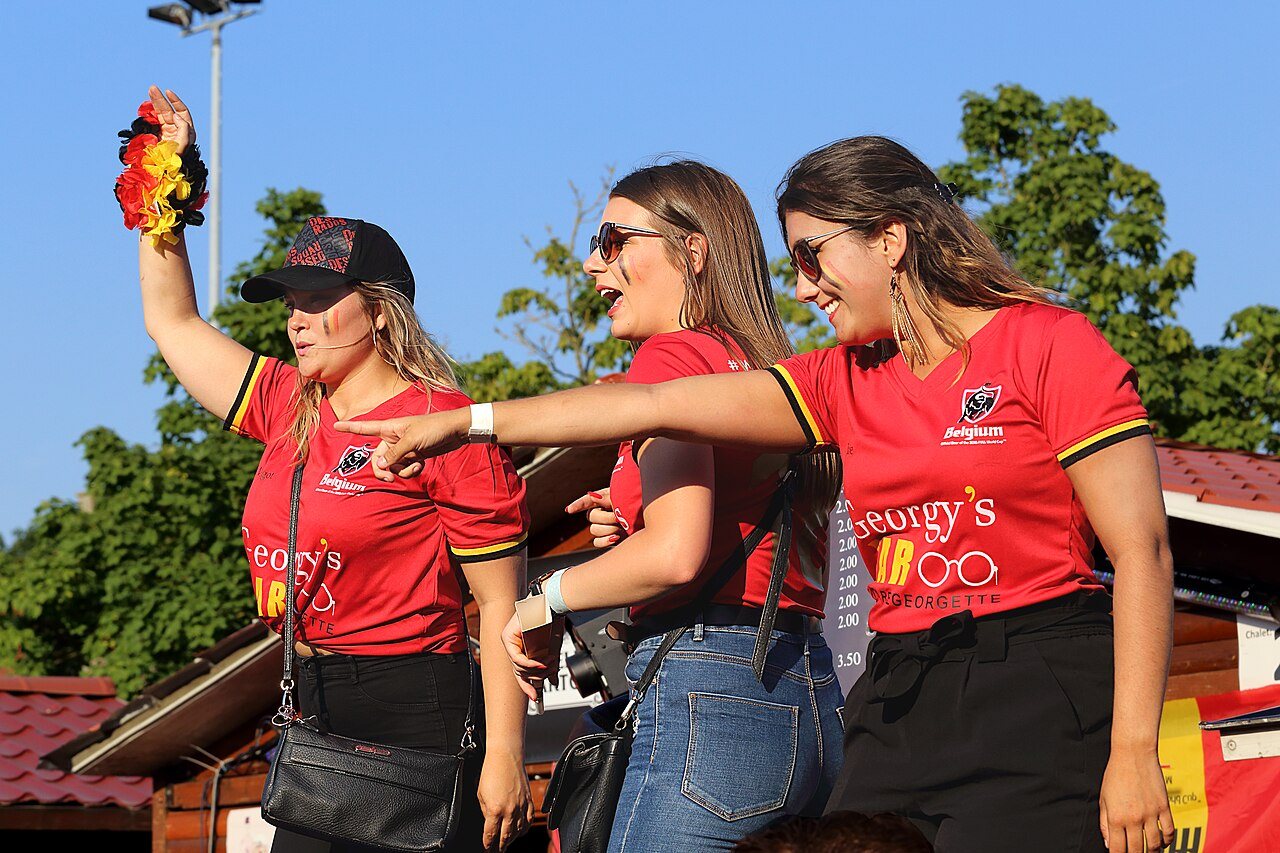
Elite football turns loyalty, live suspense and star power into a commercial ecosystem of broadcasting, sponsorship, hospitality, merchandise and transfers — without ever controlling the result that makes the product valuable.
By George Kensington · 6 min read
The easiest mistake in discussing football money is to imagine that clubs simply sell matches. The richest clubs sell something much broader: identity, access, suspense, status and recurring attention.
That is why professional football increasingly resembles show business. The comparison is not that matches are scripted — the opposite is true. Football’s great commercial advantage is that the ending cannot be scripted. Clubs and leagues then build an entertainment industry around that unpredictable core.
FIFA’s audience numbers show the scale of the raw material. Close to 1.5 billion people watched the 2022 World Cup final, and around 5 billion engaged with the tournament across media. Very few cultural events can place such a large global audience inside the same story at the same time.
A successful entertainment franchise wants repeat customers. Football has something stronger: inherited allegiance.
A classic 1976 series of field studies found that students were more likely to wear university-branded clothing after their football team had won, and more likely to say “we” when describing victory. The supporter absorbs part of the team’s status into personal identity.
Modern research adds nuance. A 2025 study of Serie A supporters found that identification with fellow fans was positively associated with subjective well-being, although intense emotional attachment could also have negative effects for strongly identified fans. The attraction is therefore not only spectacle. It can be friendship, routine, family history and the relief of belonging to something larger than oneself.
For a club, that creates a remarkably durable customer relationship. People change phone brands, streaming services and fashion labels with little emotional cost. Changing football clubs is culturally different. The badge can be tied to childhood, place and family. That loyalty gives elite clubs the kind of brand resilience most consumer companies spend fortunes trying to manufacture.
An Economic Inquiry study of close to 50,000 minute-by-minute Premier League television audience observations found that suspense and surprise helped drive demand, alongside what the researchers called shock — the difference between what viewers expected before a match and what was unfolding.
That helps explain the price of live rights. The Premier League’s current UK deals run from 2025/26 to 2028/29. Sky Sports has at least 215 live games per season and TNT Sports 52; BBC Sport reported the domestic package at £6.7 billion.
The football match is therefore closer to a live premiere that can happen hundreds of times a season than to a film in a catalogue. Supporters know the characters and the history, but not the resolution. That makes the event highly useful to subscription television: it brings people back on a schedule.
Deloitte’s 2026 Football Money League shows how far the model has moved beyond ticket sales. The top 20 clubs produced €12.4 billion in revenue in 2024/25. Commercial income, at €5.3 billion, was larger than broadcasting at €4.7 billion and matchday revenue at €2.4 billion.
Commercial revenue means sponsorships, retail, licensing, partnerships and the broader ability to monetise the badge. Deloitte also notes that clubs increasingly use stadiums and surrounding property for restaurants, hotels, breweries, hospitality and non-matchday entertainment.
The stadium, in that model, resembles the headquarters of a luxury brand and the venue of a touring act at once. A supporter can buy the shirt, visit the ground, consume club media, attend an event and purchase premium hospitality without changing allegiance once.
Players sit at the centre of the star system. FIFA says men’s professional clubs spent a record $13.08 billion on international transfer fees in 2025, while men’s clubs paid $1.37 billion in club-agent service fees on international transfers. A star player is simultaneously sporting labour, scarce talent, a public figure and a commercial asset.
Yet football cannot become pure entertainment commerce without damaging what created the business. A club that treats supporters only as consumers risks weakening the identity that makes them unusually loyal. A competition that becomes too predictable risks reducing the suspense that gives live rights their premium.
The sophisticated football business therefore depends on a paradox. It monetises loyalty aggressively but needs that loyalty to feel more meaningful than a transaction. It builds stars but needs the team to remain larger than any star. It sells drama at industrial scale but cannot write the script.
That is why football’s closest business cousin may indeed be show business — only with a crucial difference. The most expensive scene is performed live, and everyone involved must accept that the hero may lose.
64