Business 183
Petrol Cars Fall Below Half of Global Sales for First Time
In this issue
Business 183
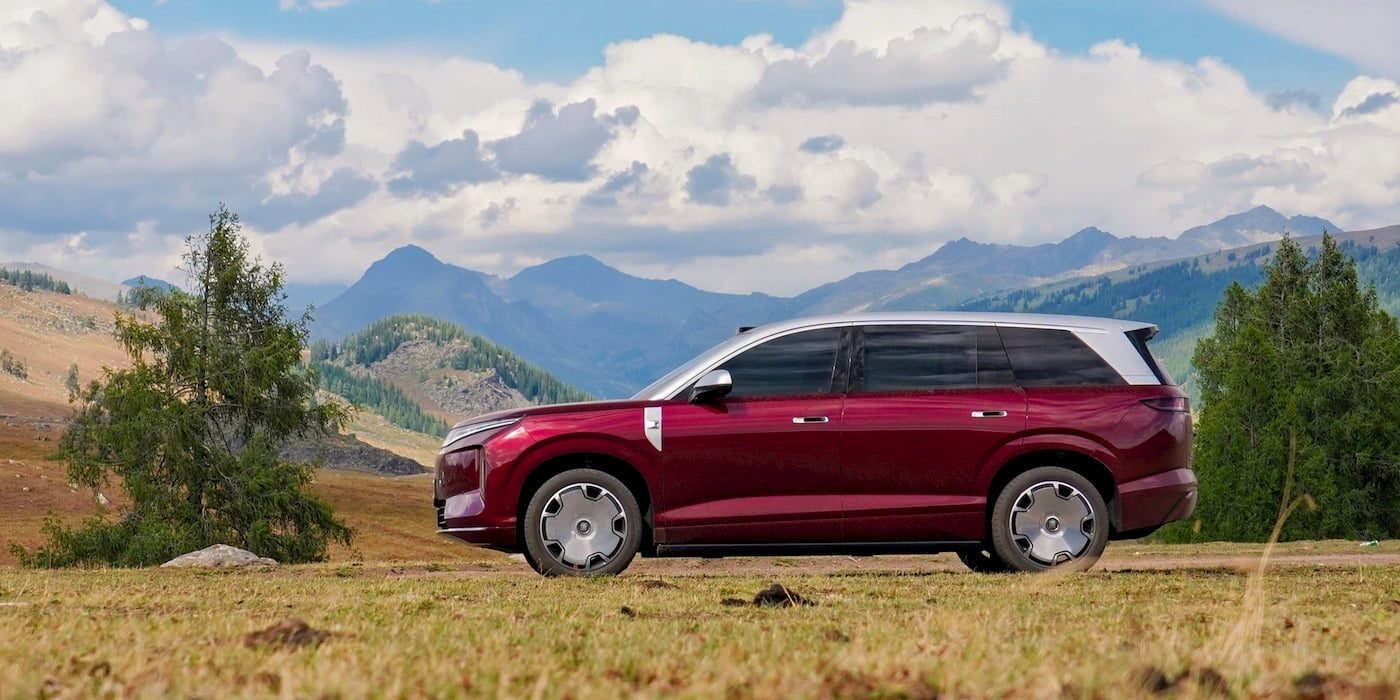
Petrol Cars Fall Below Half of Global Sales for First Time
Culture 212
Léa Seydoux Says Next James Bond Must Be 'Layered'
Economy 36
G7 Agrees to Release 100 Million Barrels of Diesel and Crude Oil to Ease Price Su…
News 145
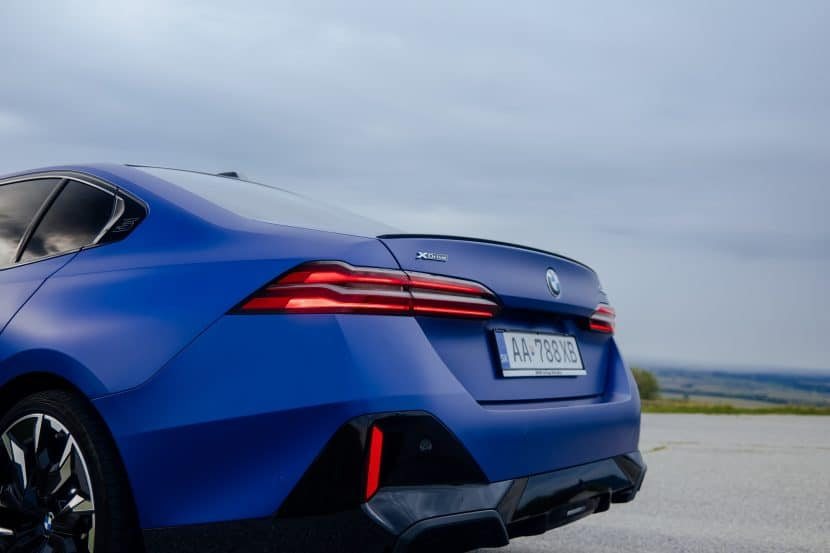
NSW Police Trials BMW 540d as Highway Patrol Car
Politics 110
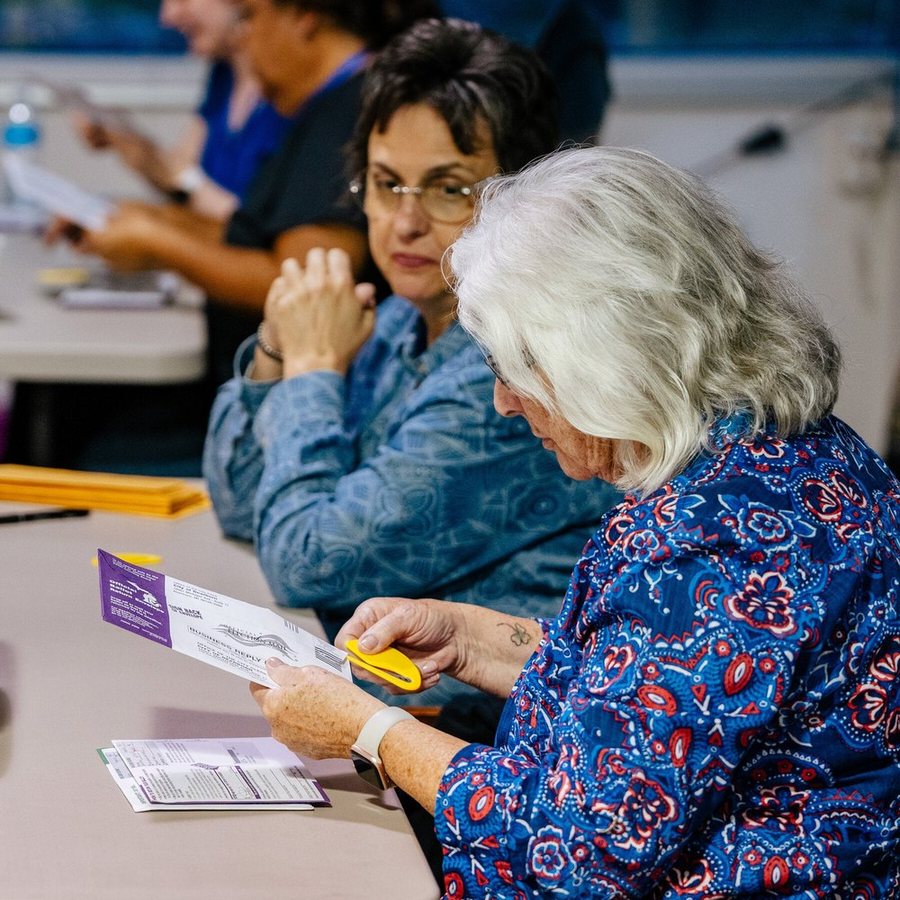
Trump Urges Republicans to Vote by Mail After Years of Criticising the Practice
Sports 260
Falcons thrash Saints 45-24 as New Orleans marks 20 years since Katrina return
Technology 231
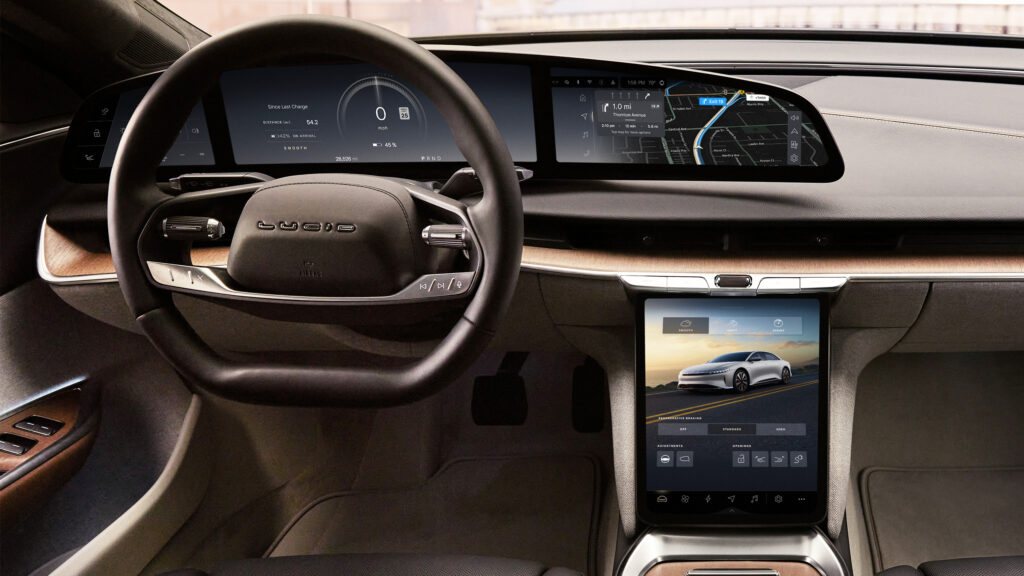
Lucid Air Gets OTA Infotainment Upgrade With Air UX 3.0
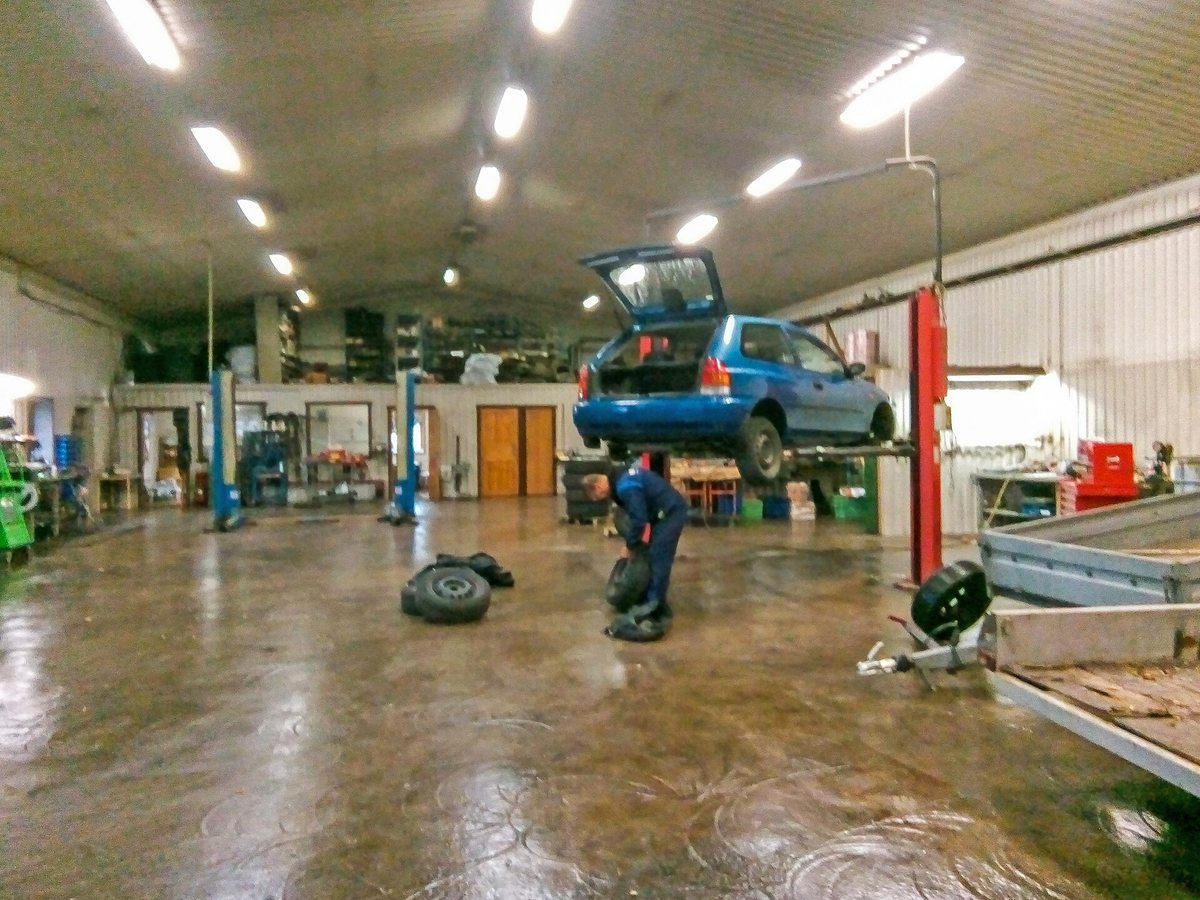
The Independent Garage Association is set to propose raising the MOT test price cap from £54.85 to £95, arguing that the current fee has been frozen since 2010 and is driving small testing stations out of business.
By George Kensington · 4 min read
The Independent Garage Association is preparing to ask the government to lift the cap on MOT test prices from £54.85 to £95, a rise of almost 73%, in a move it says is essential to keep Britain’s small garages viable. The proposal, which will be put to ministers in upcoming talks, has been framed not as a burden on motorists but as a long-overdue correction to a fee that has not changed since 2010.
The current price has been frozen for 16 years, a period in which the costs of running a testing station — rent, equipment, insurance, wages — have risen steadily. The association argues that many independent garages are now struggling to stay solvent, and that testing stations are closing at a worrying rate. With an estimated 35 million cars in regular use in the UK, 85% of which are more than three years old and therefore require an annual test, the health of the testing network matters to millions of drivers.
The arithmetic is stark. Nearly 30 million cars between three and 39 years old need testing every year. Assuming testers do not work Sundays, that means roughly 17,500 MOT tests must be carried out every single day across the country. The association’s argument is that a network of well-funded, properly staffed testing stations is not a luxury but a necessity for road safety and consumer confidence.
Beyond the statistics, there is a cultural argument. Independent garages are where much of Britain’s practical car knowledge lives, and where enthusiasm for motoring is often strongest. Large dealerships have their place, but they are not always driven by a love of cars. Small garages, by contrast, are often run by people who take pride in solving problems, who know their customers by name, and who will go out of their way to help.
That spirit is illustrated by countless stories from motorists. One mechanic in rural Australia once fixed a journalist’s car on the promise of payment “when you can”, and even lent him £100 for fuel. Another, known locally as Gerry the Genius, was famous for finding cheap solutions to expensive problems — sourcing a £20 starter motor from a crashed Vauxhall for an Alfa Romeo, or repairing a badly damaged Audi tailgate with parts from eBay and a great deal of skill, all for less than £1,000.
These are the people the Independent Garage Association wants to protect. The proposed £95 fee would still be modest by international standards, and it would help ensure that testing stations remain profitable enough to attract and retain skilled staff. It would also reduce the temptation for garages to cut corners or push customers towards unnecessary repairs to make up for thin margins on the test itself.
The government has not yet responded to the proposal, but the association is expected to make its case in detail during the forthcoming talks. For motorists, the immediate effect would be a higher bill at the annual test. But the association’s argument is that the alternative — a shrinking network of testing stations, longer waits, and less rigorous checks — would be far more costly in the long run.
As one industry observer put it, the MOT test is not just a bureaucratic requirement; it is a cornerstone of road safety. Paying a fair price for it is not an expense but an investment in the people who keep Britain’s cars on the road.
52