Business 138
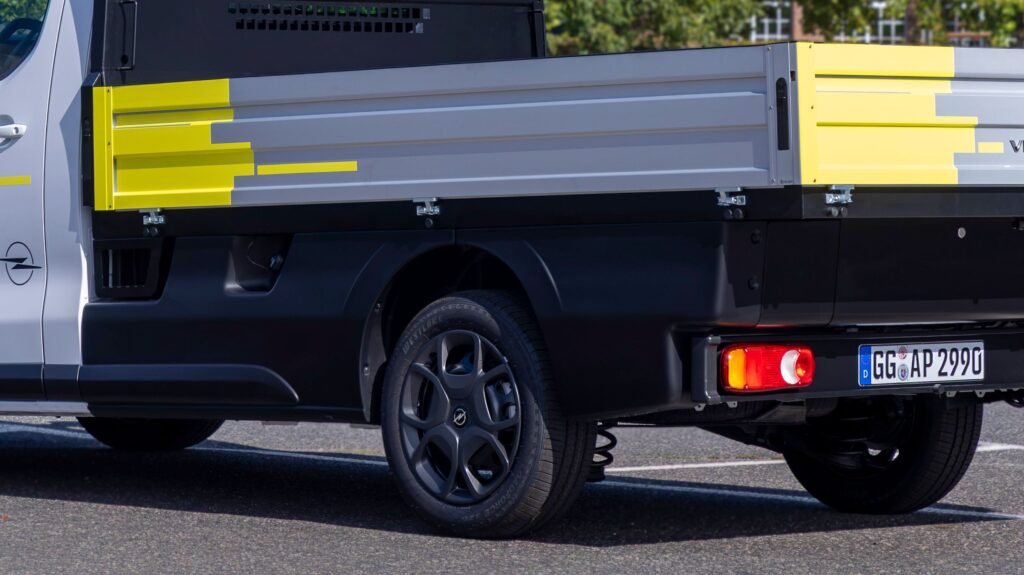
Stellantis Adds Flatbed Opel Vivaro with New 148hp Turbodiesel
In this issue
Business 138
Stellantis Adds Flatbed Opel Vivaro with New 148hp Turbodiesel
Culture 150
Max Mara champions understated elegance at Milan Fashion Week
Economy 33
Bitcoin and Ethereum Surge to Levels Last Seen in January
News 131
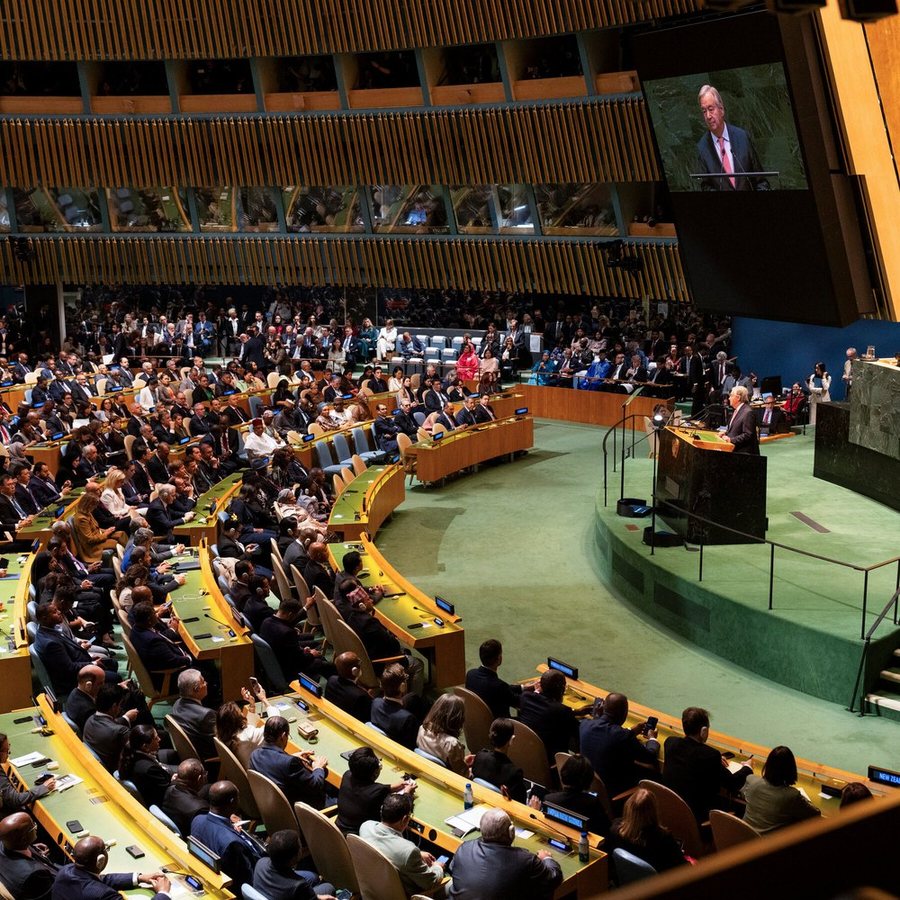
Trump Tells UN Iran Faces Choice Between Deal and Annihilation
Politics 107
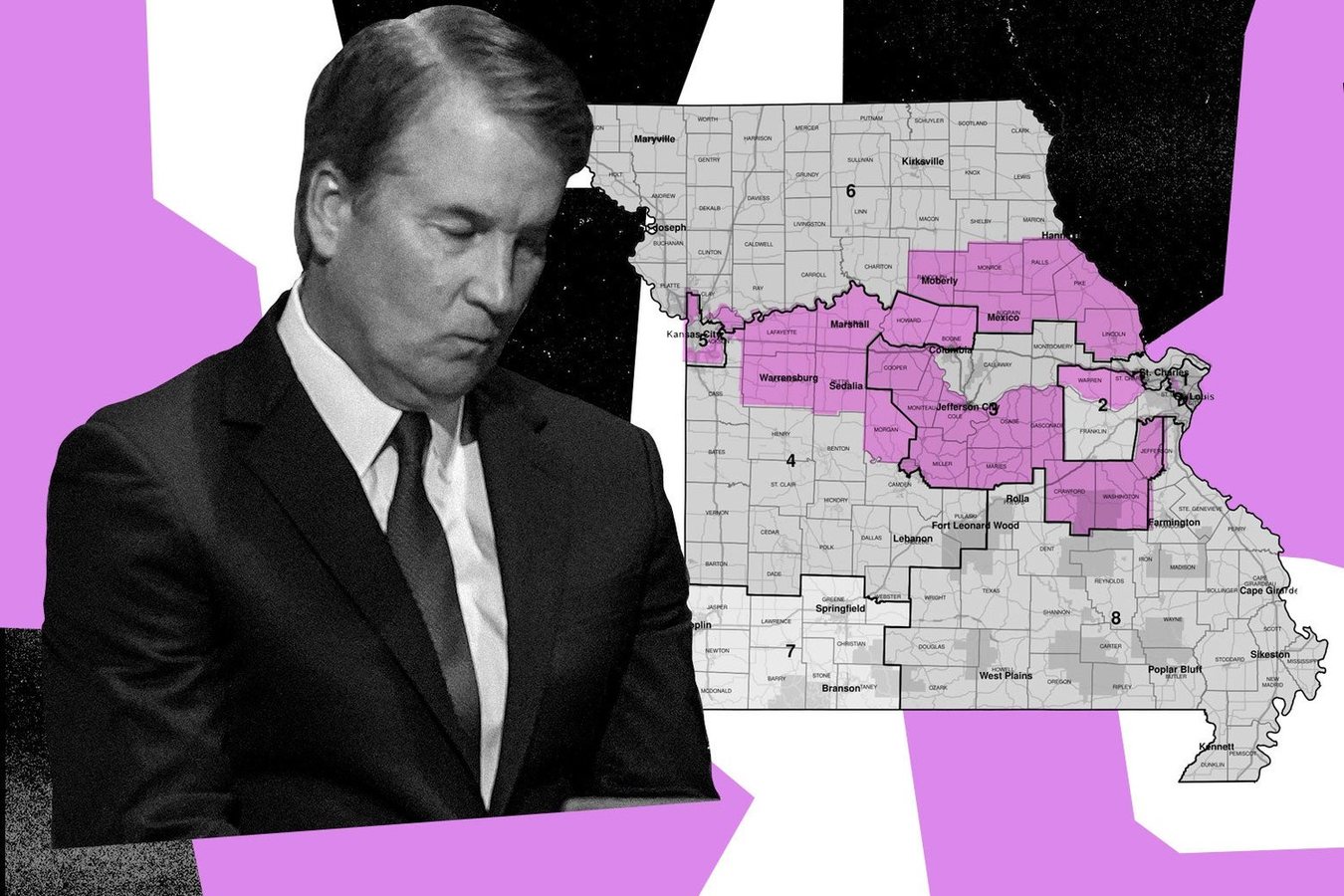
Republican Judges Defy Supreme Court in Missouri Redistricting Fight
Sports 245
MINI to Debut New Adventure SUV at Rebelle Rally
Technology 163
Chevrolet Builds Two Corvette Generations at Once for the First Time

The modern interview wardrobe is less about owning one perfect suit and more about judgment. Read the company, understand the role and add just enough polish.
By Charlotte Redford · 6 min read
A good suit is still one of the most useful pieces of clothing a professional can own. It offers structure, makes decisions easy and can communicate seriousness before a word is spoken. What it no longer does, at least across every industry, is guarantee that you have read the room correctly.
Associated Press reporting published by Fortune on 7 August 2026 describes a job market in which dress codes have fragmented. Casual offices, hybrid work and video interviews have weakened the old assumption that every serious candidate should arrive in full tailoring. The article draws on recruiters, stylists and candidates; it is not evidence that a suit itself damages hiring prospects. The better reading is that judgment has become more valuable than adherence to one formula.
There are still places where the formula works. Executive roles, law and financial services remain among the fields where suits are frequently expected. If you are interviewing to represent an institution to clients, investors or courts, the visual language of authority matters. In those cases, dressing down simply because Silicon Valley did so would be a category error.
But consider the opposite setting: a modern product company where the chief executive wears knitwear, the engineering lead turns up in dark denim and the sales director uses an unstructured jacket rather than a matching suit. Arriving in a highly formal three-piece outfit is not immoral or unprofessional. It may simply communicate a degree of distance that the organization does not normally use.
The solution begins with reconnaissance. Study the employer’s website and public social accounts. Look at ordinary team images, events and videos rather than one carefully staged leadership portrait. Note the recurring details: ties or open collars, leather shoes or trainers, matching suits or separate jackets, formal dresses or relaxed tailoring. You are not trying to copy individuals; you are establishing the range in which the company appears comfortable.
Then move one step above the everyday norm. This is where the modern interview wardrobe becomes useful. Dark trousers with a fine-gauge knit can work in a relaxed office. A blazer over an open-collar shirt creates structure without excessive ceremony. For women, a tailored jacket, clean trousers, a simple dress or refined separates can provide the same balance. The objective is polish without costume.
Fit matters more than prestige. A beautifully branded jacket that pulls at the shoulders will make you conscious of your body throughout the conversation. Shoes you have never worn can turn the walk from reception into a test of endurance. The interview is already cognitively demanding; clothing should not compete with it. Choose pieces in which you can sit, stand, gesture and breathe without adjustment.
Personal style still belongs in the equation. Cultural research is not an instruction to impersonate the existing team. A man who feels natural in tailoring can soften the look instead of abandoning it. Someone who never wears a hoodie should not buy one to prove they understand startup culture. The strongest professional image is credible because it sits at the intersection of the organization’s norms and the candidate’s own habits.
If the company gives few public clues, ask. A recruiter can usually tell you whether the office is formal, business casual or relaxed. The question itself can demonstrate preparation rather than insecurity. It is particularly sensible for unusual interview locations, multi-stage assessment days or roles that move between a corporate office and practical environments.
Video interviews deserve the full outfit, not a fictional “camera half.” AP’s experts advise candidates to put as much effort into remote meetings as face-to-face ones. Solid colours often reproduce more cleanly than small, high-contrast patterns. Check the garment against your background and lighting. And dress in a way that remains appropriate if you have to stand unexpectedly.
The most useful change in mindset is to stop treating the suit as a moral statement. Wearing one does not make a candidate more serious by definition, and wearing knitwear does not make another more authentic. Clothing is an instrument. Its effectiveness depends on the setting, the role and the person using it.
That makes the modern interview slightly more demanding, but also more intelligent. You are being asked to exercise the same skill that matters in leadership and professional life: understand the environment before choosing how to act. Sometimes the result will still be a dark suit. Sometimes it will be a jacket and trousers. Sometimes a crisp shirt, elegant knit and clean shoes will be enough.
The standard has not disappeared. It has shifted from compulsory formality to considered appropriateness. For ambitious candidates, that is not a lowering of expectations. It is a higher-order test of taste, preparation and judgment.
58