Business 201
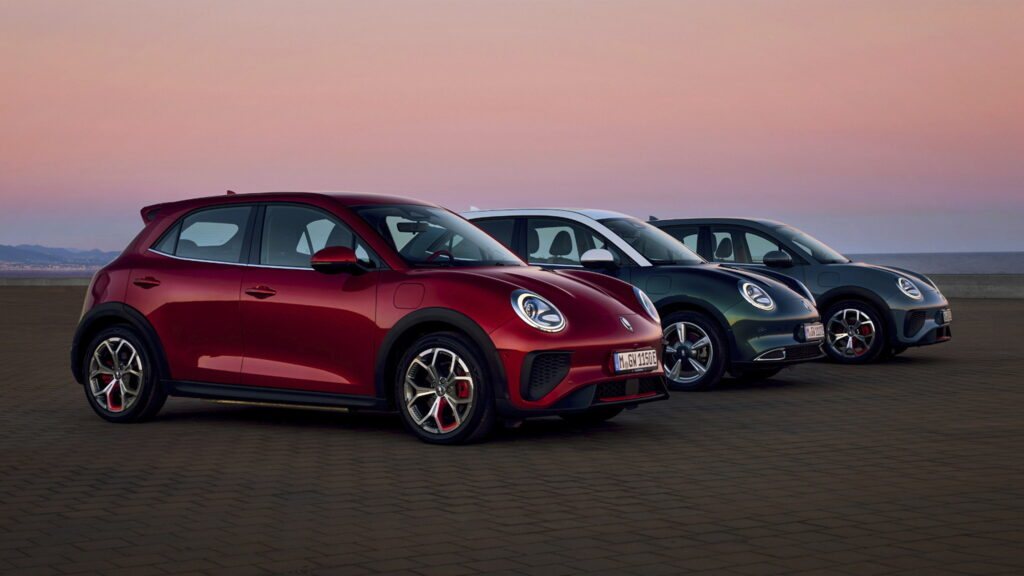
Geely Confirms Canadian Launch for 2027
In this issue
Business 201
Geely Confirms Canadian Launch for 2027
Culture 230
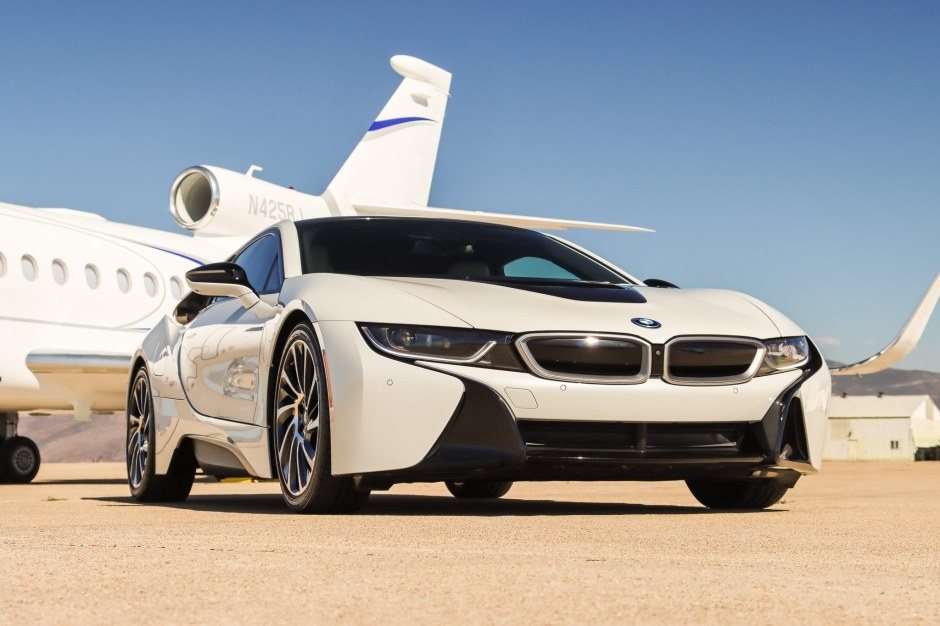
Low-Mileage 2014 BMW i8 Heads to Auction in California
Economy 37
Russia's EV Share Overtakes US as Fuel Shortages Bite
News 149
Weekly Exercise Linked to Slower Memory and Movement Decline in Parkinson's Patie…
Politics 111
Trump Names Katie Zacharia as White House Press Secretary
Sports 265
Southampton to Host Portsmouth in Scheduled Fixture on 11 October 2026
Technology 261
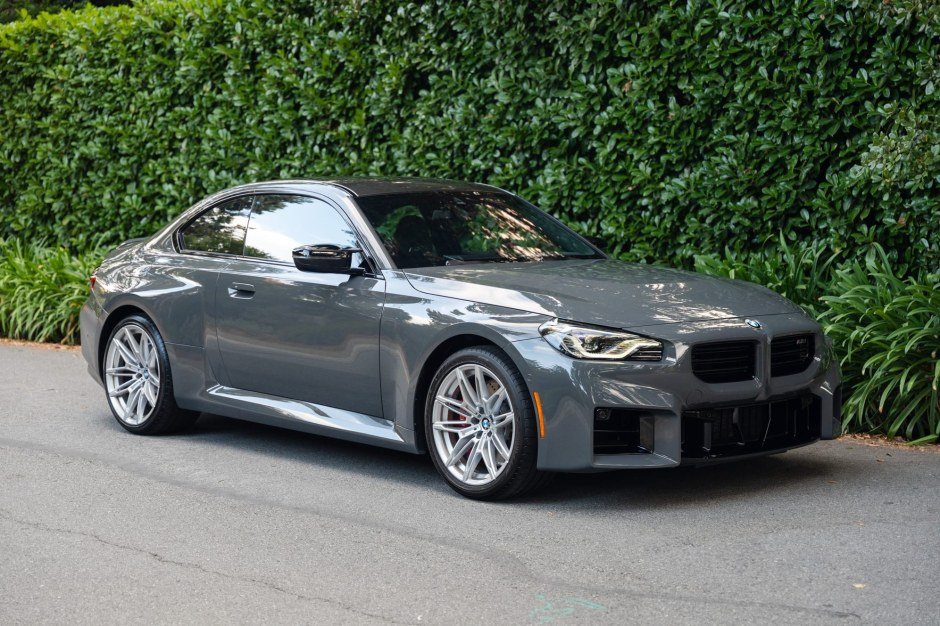
2025 BMW M2 with Six-Speed Manual Listed for Sale
Hyundai Motor and its Genesis premium division will launch 41 new or refreshed models in Europe by 2030, targeting more than 420,000 annual EV sales and a new region-specific small electric SUV.
By Eleanor Ellington · 4 min read
Hyundai Motor, including its premium Genesis division, has committed to launching 41 new or refreshed models in Europe by 2030, a significant bet on a region that other Asian brands have begun to deprioritise in the face of Chinese competition. The announcement was made by executives at the company’s annual investor day on August 26, where they outlined plans for a region-specific small electric SUV, a new electric midsize SUV, and new commercial vehicles.
The company aims to sell almost four times more electric cars in Europe by 2030, targeting more than 420,000 units annually, up from 116,000 in 2025. Hyundai has lagged sister brand Kia on electric launches, contributing to a widening sales gap between the two brands. The company hopes to reverse that with an EV push that starts with the new European-built Ioniq 3 later this year, followed by the Europe-specific small SUV.
New combustion-engine models include the new i20 hatchback, based on a version of the newly revealed Brazilian model, as well as a larger replacement for the Tucson compact SUV, the brand’s best-selling model in Europe. Hyundai could also decide to import the newly announced extended-range electric version of the Santa Fe SUV, which will be built in the US and promised to “drive and accelerate like an EV”.
Hyundai’s continuing bet on Europe contrasts with the strategy of Japanese brands including Nissan and Honda, which have shifted investment away from the region to concentrate on other, more profitable global markets. “Europe is one of the most competitive regions on the planet,” CEO Jose Munoz told analysts and journalists at the event. Car companies are struggling to match Chinese competitors on cost, particularly in electrified segments, but Hyundai says it has cut 30% out of the battery costs of its next-generation EVs.
Combustion-engine sales also remain a crucial part of Hyundai’s profit strategy in the region. “Every EV credit we earn protects the ICE and hybrid business alongside it,” Munoz said. The company will also continue to build its Genesis brand in Europe, despite subdued market interest since its launch in 2021 with sales below that of Bentley so far this year.
Globally, Genesis will launch a new extended-range EV model in 2027 promising a range above 640 miles, thanks in part to a new high-performance battery. Also coming is a new hybrid version of the GV80 large SUV along with the newly revealed GV90 luxury electric SUV. No announcements have been made about markets for these products, although Europe is likely to be a target destination for new electrified products. Genesis has expanded its limited market coverage in Europe this year with launches in Italy, France and the Netherlands.
Meanwhile in the US, Hyundai will expand its market coverage with new off-road focused body-on-frame vehicles including a pickup, with styling influenced by April’s Boulder concept, a take on the Jeep Wrangler and Ford Bronco.
58