Business 201
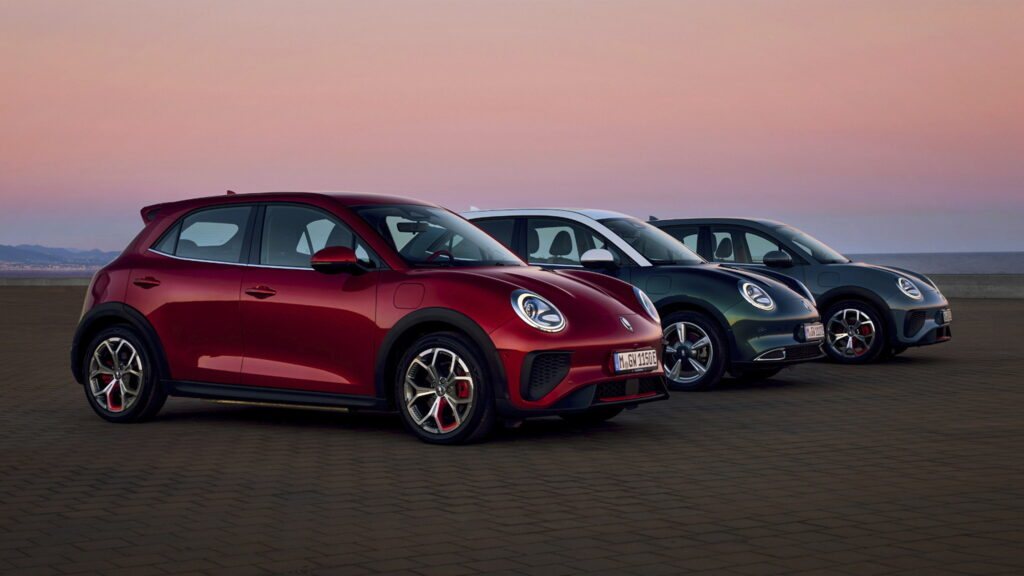
Geely Confirms Canadian Launch for 2027
In this issue
Business 201
Geely Confirms Canadian Launch for 2027
Culture 234
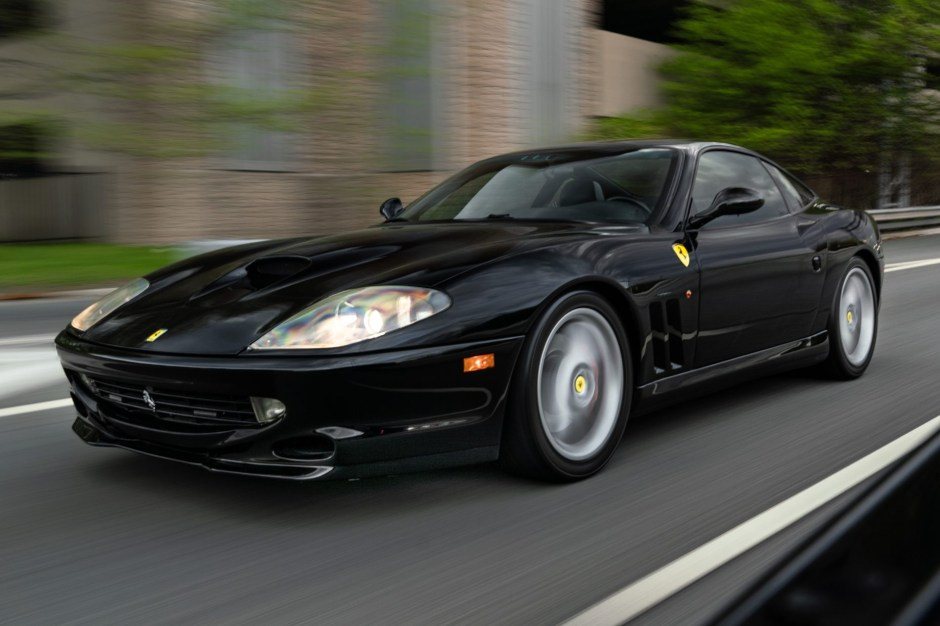
European-Market Ferrari 550 Maranello with Fiorano Handling Package Listed for Sa…
Economy 37
Russia's EV Share Overtakes US as Fuel Shortages Bite
News 149
Weekly Exercise Linked to Slower Memory and Movement Decline in Parkinson's Patie…
Politics 111
Trump Names Katie Zacharia as White House Press Secretary
Sports 266
Arsenal to Host Leeds United in Premier League Clash
Technology 263
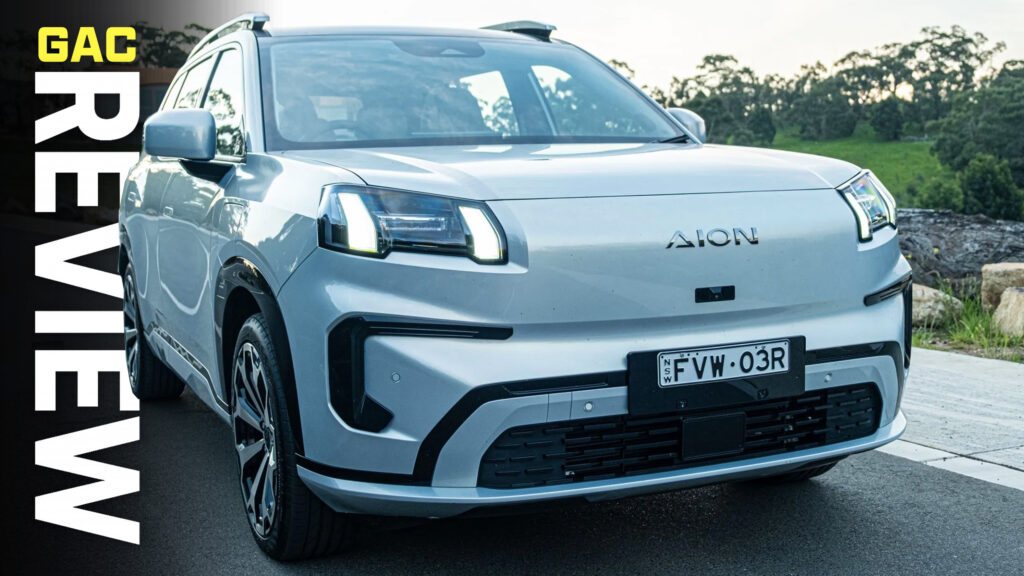
GAC Aion V Review: Odd Looks, Premium Cabin, £24,000 Price
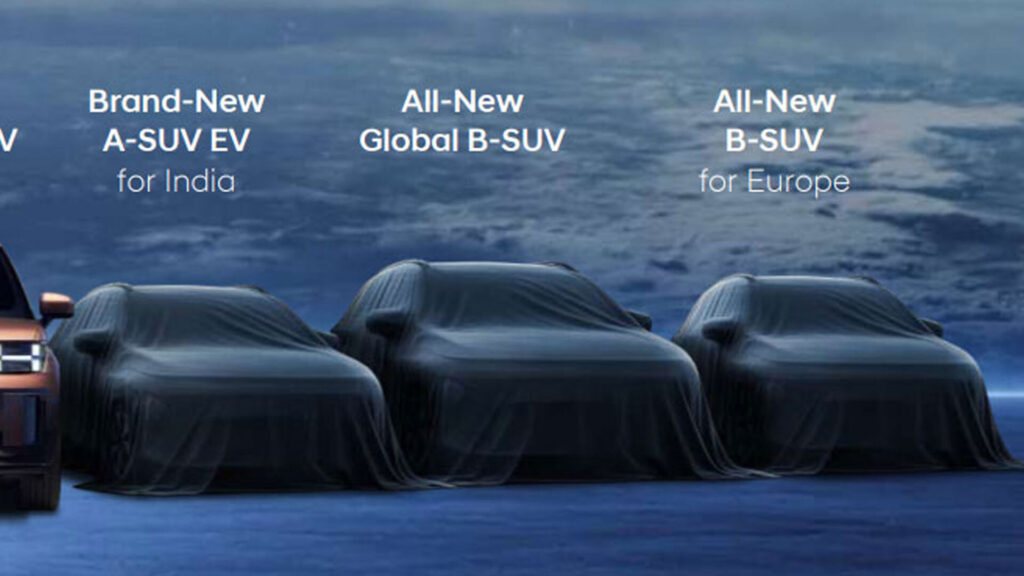
Hyundai has announced a global product offensive, with over 100 new or refreshed vehicles planned by 2030, including 58 launches in North America and a major push into electric vehicles.
By Eleanor Ellington · 4 min read
Hyundai has unveiled plans to launch more than 100 new or refreshed models by 2030, a global product offensive that will see 58 launches in North America, 49 in Korea, 41 in Europe, 26 in India, and 22 in China. The announcement came during the company’s 2026 CEO Investor Day, where executives outlined a strategy to expand its lineup across segments and regions, with a strong emphasis on electrification.
The first wave of new vehicles will arrive quickly: seven new models are expected within the next eight months, and Hyundai says there will be more than 18 entries into “new products and market segments.” Some of these have already been seen, including the new Elantra, Tucson, and Ioniq 3. They will be joined by a range-extended Santa Fe and an all-new global B-segment SUV, with Europe receiving a second B-segment model and India getting a smaller A-segment electric crossover.
The Santa Fe EREV, due in the first half of 2027, is expected to offer a combined range of more than 600 miles (966 km). It will be built at Hyundai Motor Manufacturing Alabama and is designed to deliver an EV-like driving experience without “range and charging anxiety.” This model is part of Hyundai’s broader effort to cater to buyers who want electric benefits but are not ready to commit to a pure battery-electric vehicle.
In Europe, Hyundai confirmed it will have a “fully electrified portfolio” that includes five all-new crossovers and light commercial vehicles. The company aims to increase European EV sales from 116,000 units in 2025 to more than 420,000 units by 2030. While details were scarce, Hyundai revealed that the two upcoming B-segment vehicles will be fully electric, joined by a large D-segment electric crossover and two electric vans.
In India, a new electric crossover is scheduled to arrive in the fourth quarter, featuring a next-generation infotainment system and a Level 2 semi-autonomous driving system. It will be followed by an ICE-powered mid-size SUV. Hyundai is also pursuing a turnaround in China, spearheaded by the Ioniq V, which will be followed by electric and range-extended vehicles in 2027. The B-SUV will be fully electric, while the C-SUV will offer both electric and range-extended powertrains, with the latter providing up to 373 miles (600 km) of range. Three D-segment vehicles—a sedan, crossover, and MPV—are planned, featuring Level 3 autonomous driving technology and what sounds like a next-generation powertrain.
Genesis, Hyundai’s luxury brand, is also undergoing a significant revamp, led by the new GV90 and the GV80 Hybrid. The company confirmed plans for a range-extended SUV in 2027 that will deliver more than 640 miles (1,030 km) of range. Genesis will see 22 launches in North America alone, a figure that likely includes variants. The luxury brand will enter new markets, including India and the Asia Pacific region, with a goal of being present in more than 40 countries by 2030 and achieving annual sales of 350,000 vehicles—a number that puts it in the same league as Lexus, which sold 370,260 vehicles in the United States last year.
Beyond the mainstream and luxury lines, Hyundai will expand its N performance lineup, targeting annual sales of 100,000 units by 2030. The company is also focusing on so-called “white spaces”—market segments where it has little presence but sees significant growth opportunities. To fill these voids, Hyundai will launch body-on-frame vehicles, including a midsize pickup, signaling a broader push into segments traditionally dominated by American and Japanese rivals.
48