Business 201
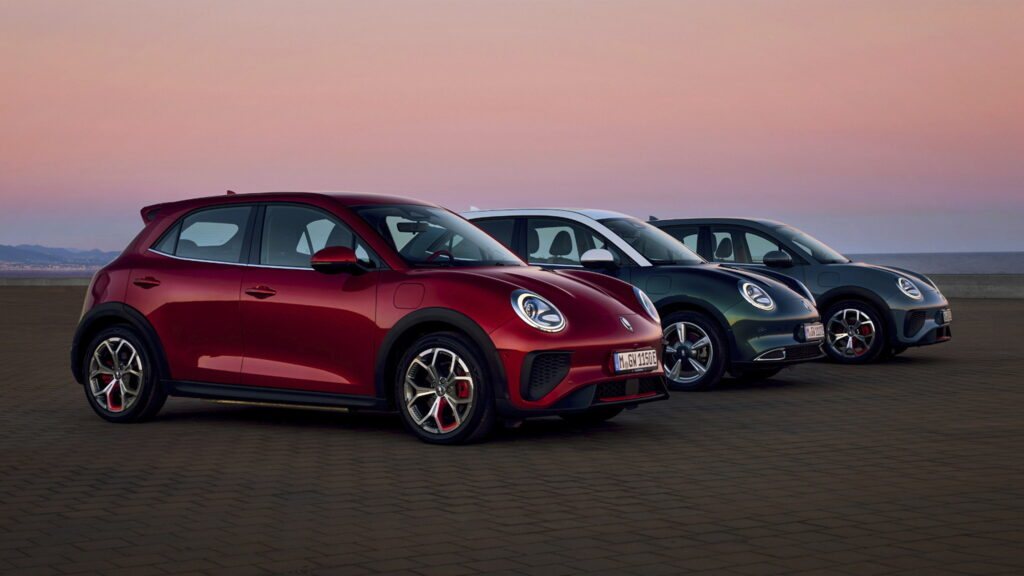
Geely Confirms Canadian Launch for 2027
In this issue
Business 201
Geely Confirms Canadian Launch for 2027
Culture 231
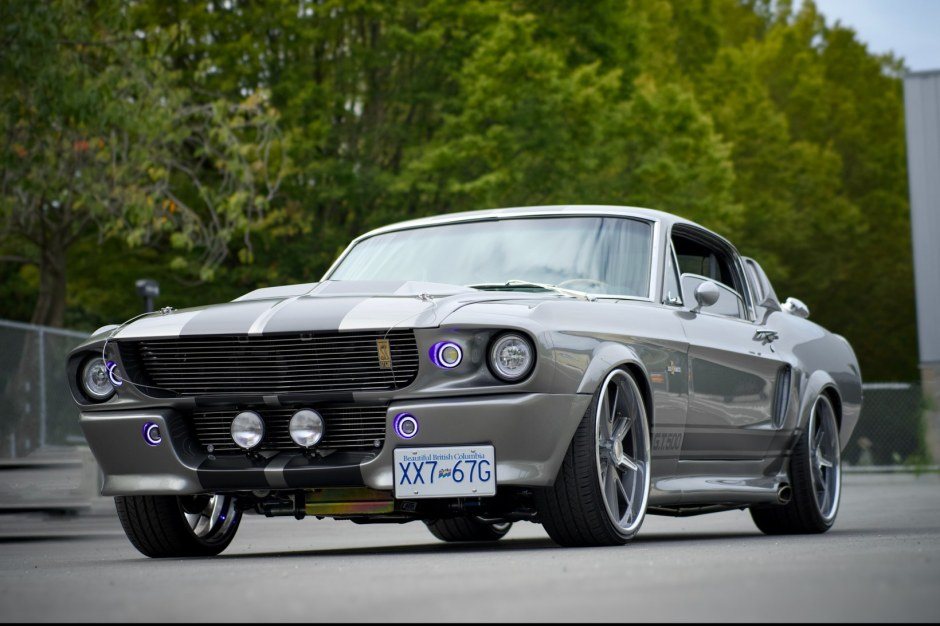
GT500E-Style 1967 Ford Mustang Fastback with 437 Stroker V8 Heads to Auction
Economy 37
Russia's EV Share Overtakes US as Fuel Shortages Bite
News 149
Weekly Exercise Linked to Slower Memory and Movement Decline in Parkinson's Patie…
Politics 111
Trump Names Katie Zacharia as White House Press Secretary
Sports 266
Arsenal to Host Leeds United in Premier League Clash
Technology 263
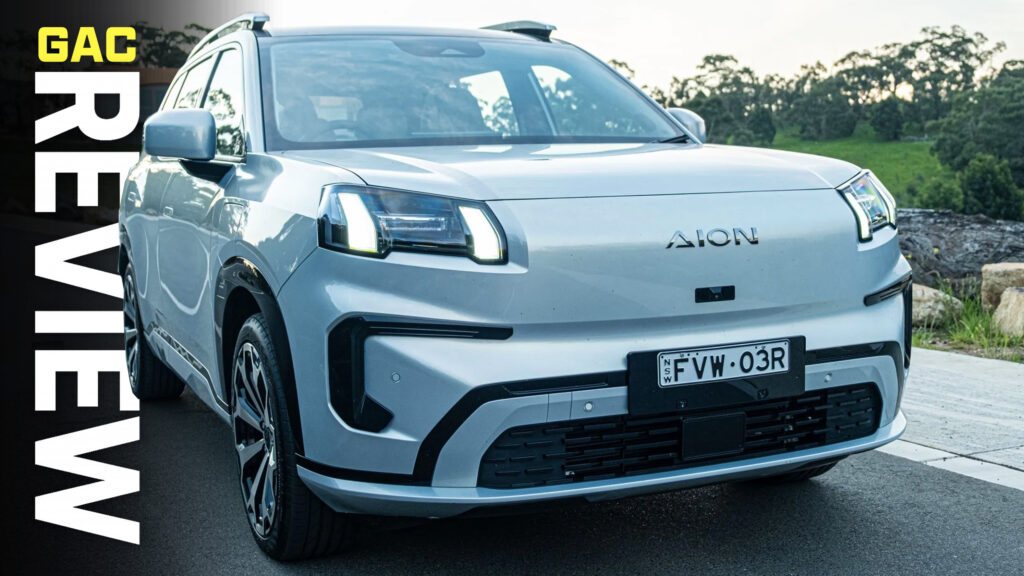
GAC Aion V Review: Odd Looks, Premium Cabin, £24,000 Price
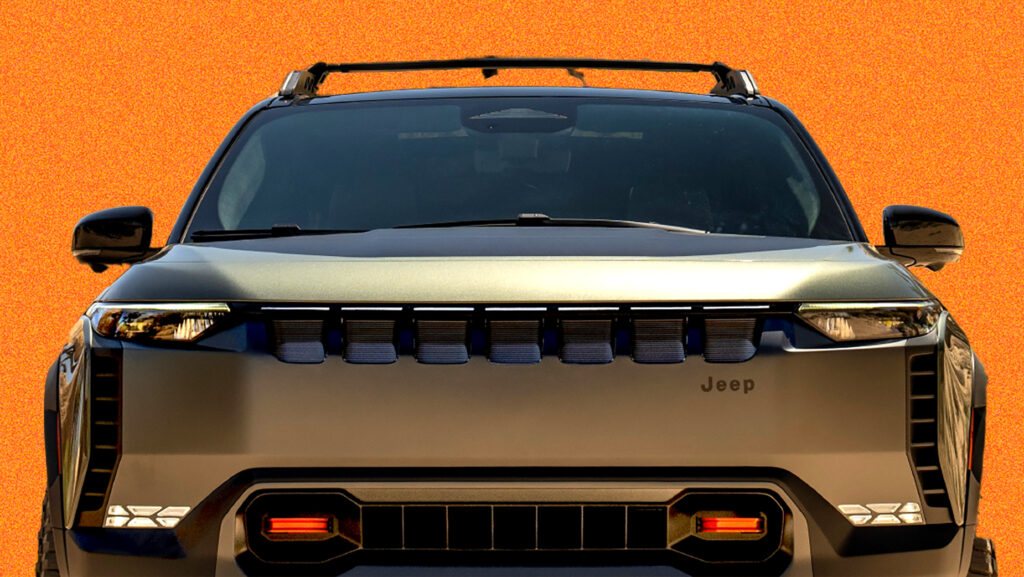
Stellantis and Dongfeng will develop two Jeep models in Wuhan, with both plug-in hybrid and battery-electric versions, marking the first time Jeep exports Chinese-built vehicles internationally.
By Eleanor Ellington · 3 min read
Jeep is returning to vehicle production in China after a four-year pause, with plans to build two new electrified models that will be exported to international markets for the first time. The move comes through a partnership between Stellantis and Dongfeng Motor Group, announced in May, and signals a significant shift in the brand's global manufacturing strategy.
The newly established Dongfeng Stellantis Automotive Technology company, backed by a $1.2 billion investment, will develop the two Jeep models at its Wuhan facility starting next year. Both plug-in hybrid and battery-electric versions are planned. Dongfeng will contribute its core electrification and intelligent vehicle technologies, while the long-standing Dongfeng Peugeot-Citroen (DPCA) joint venture will handle production. In addition to the two Jeeps, two plug-in hybrid and electric Peugeot models will also be built locally under the same arrangement.
Stellantis chief executive Antonio Filosa confirmed the development earlier this week, outlining the scope of the Wuhan-based operation. The decision to export Chinese-built Jeeps marks a notable departure from previous practice, though neither Jeep nor Dongfeng has specified which overseas markets will receive the vehicles. Industry observers suggest other Asian nations are likely candidates, with Europe also a possibility.
The partnership represents a strategic response to Jeep's dramatic decline in the Chinese market. Sales peaked in 2017, when 203,000 examples of the Cherokee, Compass, Renegade, and Grand Commander were sold in China. By 2022, that figure had fallen to fewer than 20,000, prompting Stellantis to terminate its joint venture with GAC, which had managed local production since 2014. Currently, only the Wrangler, Gladiator, and Grand Cherokee remain on sale in China.
For Dongfeng, the deal strengthens its position as a technology provider to Western automakers seeking to compete in the world's largest electric vehicle market. The company has been expanding its electrification capabilities and now gains a channel to supply core components to a global brand. For Stellantis, the arrangement offers a cost-effective route to expand its electrified lineup while leveraging Dongfeng's established manufacturing and supply chain expertise.
The development comes as Western automakers increasingly turn to Chinese partners for electric vehicle technology and production capacity. China's dominance in battery supply chains and its rapid advances in intelligent vehicle systems have made such collaborations increasingly common, even as geopolitical tensions over trade and technology transfer continue to simmer.
Details on pricing, specifications, and launch timelines for the new Jeep models have not yet been released. The company has indicated that further information will be provided as development progresses at the Wuhan facility.
59