Business 201
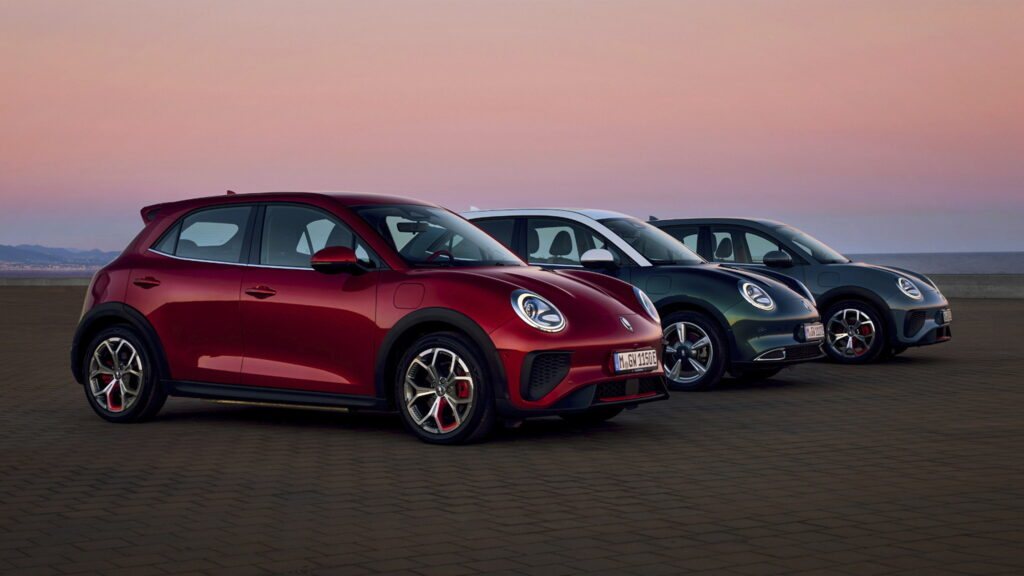
Geely Confirms Canadian Launch for 2027
In this issue
Business 201
Geely Confirms Canadian Launch for 2027
Culture 219
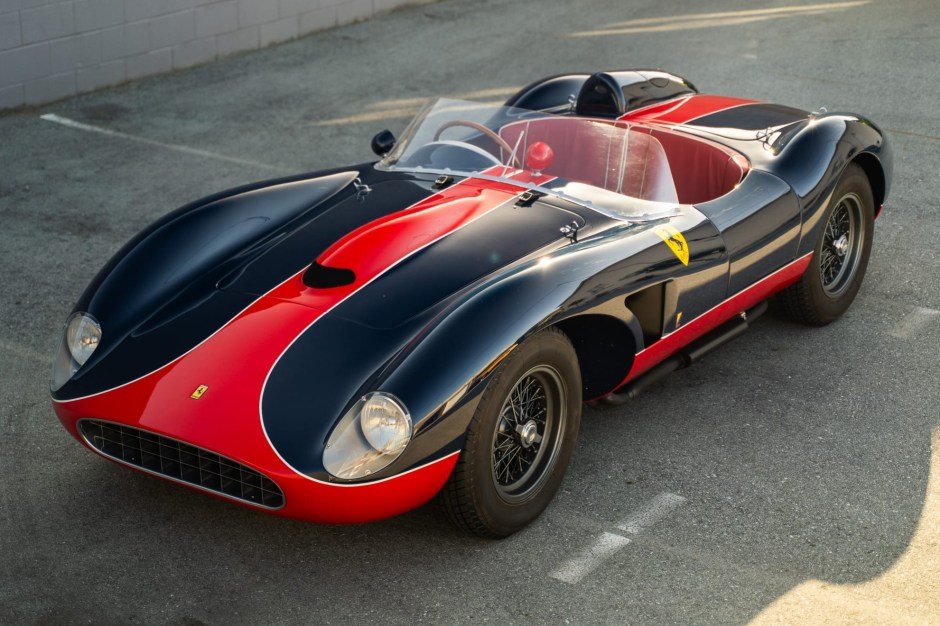
DK Engineering 1980s Ferrari 250 Testa Rossa Re-Creation Heads to Auction
Economy 37
Russia's EV Share Overtakes US as Fuel Shortages Bite
News 149
Weekly Exercise Linked to Slower Memory and Movement Decline in Parkinson's Patie…
Politics 110
Trump Urges Republicans to Vote by Mail After Years of Criticising the Practice
Sports 264
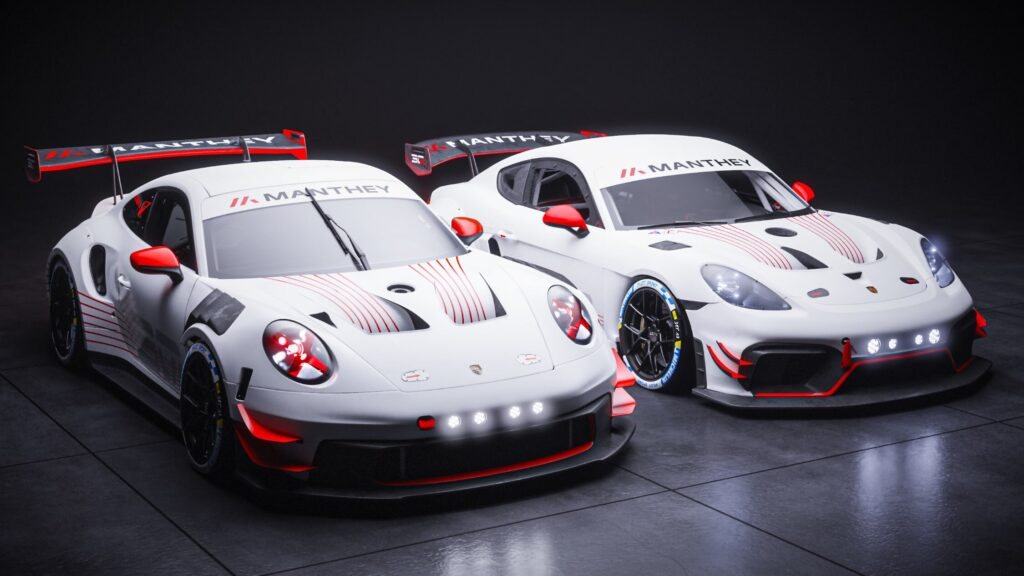
Manthey Marks 30 Years With 30 Special Track Porsches
Technology 257
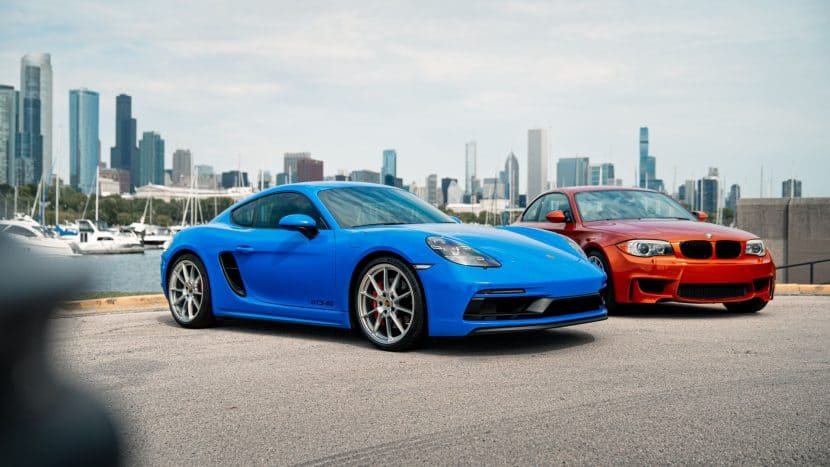
Porsche 718 EV to Enter Production in 2027 as BMW Stays Out of Electric Sports Ca…
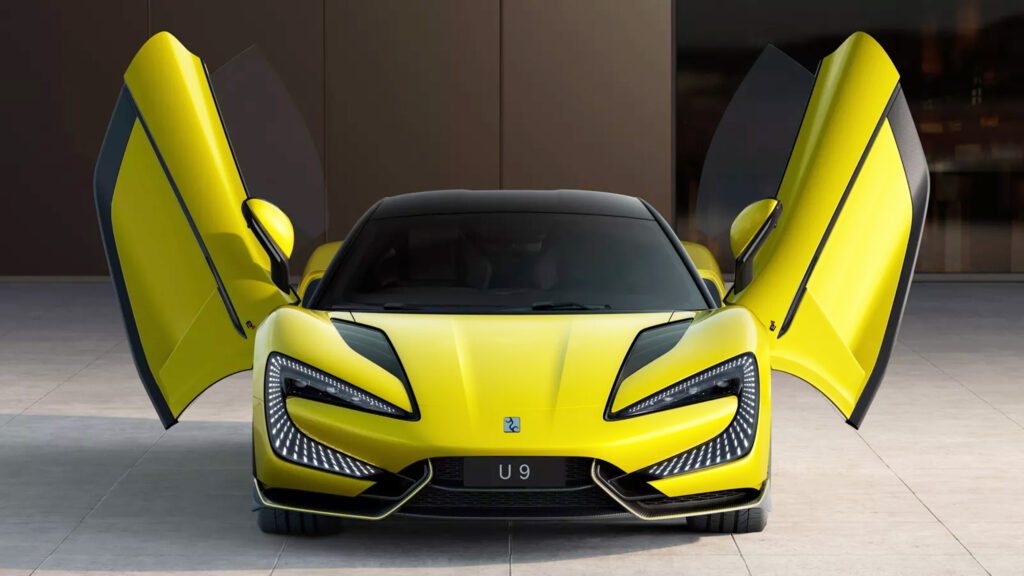
Lamborghini's CEO says Chinese electric supercars cannot match the emotion and sound of its models, even as rivals like Great Wall Motors develop combustion-powered alternatives.
By Eleanor Ellington · 3 min read
Lamborghini’s chief executive, Stephan Winkelmann, has dismissed the wave of high-performance electric supercars emerging from China, arguing that they cannot replicate the emotional appeal of the Italian marque’s combustion-engined models. In remarks to Auto Express, Winkelmann said he does not view the new Chinese entrants as a threat, primarily because they rely on electric powertrains. “We don’t see this as a threat… because they are doing electric cars,” he said, adding that Chinese manufacturers cannot compete “on the performance of our cars, the sound, and the emotion.”
Chinese carmakers have spent much of the past decade concentrating on mass-market vehicles, but several have recently moved into the supercar segment with electric models. The YangWang U9, produced by BYD’s premium brand, was among the first, setting a production-car top-speed record late last year. More recently, Denza unveiled its tri-motor Z, which produces 1,582 horsepower and is priced below a Porsche 911 Carrera 4 GTS. These models demonstrate the technical capabilities of Chinese manufacturers, yet Winkelmann remains unconvinced that they can match the visceral experience offered by Lamborghini’s V10 and V12 engines.
His confidence may be tested, however, as some Chinese brands are now developing combustion-powered supercars. Great Wall Motors (GWM) has been working on a mid-engined model that will use a 4.0-liter twin-turbocharged plug-in hybrid V8, an engine the company previewed last year. The car will feature a lightweight carbon-fiber monocoque and is reportedly aimed directly at the Ferrari SF90 Stradale. This suggests that at least some Chinese manufacturers recognise the appeal of traditional internal combustion engines, even as the industry shifts towards electrification.
Whether GWM and others can match the craftsmanship and heritage of established European supercar makers remains uncertain. Lamborghini, which has built its reputation on dramatic design and sonorous engines, may face a new competitive landscape if Chinese brands successfully combine combustion power with modern technology. For now, Winkelmann’s stance reflects a broader debate within the automotive industry about the future of performance cars and the role of emotion in an increasingly electrified market.
57