Business 138
Stellantis Adds Flatbed Opel Vivaro with New 148hp Turbodiesel
In this issue
Business 138
Stellantis Adds Flatbed Opel Vivaro with New 148hp Turbodiesel
Culture 150
Max Mara champions understated elegance at Milan Fashion Week
Economy 33
Bitcoin and Ethereum Surge to Levels Last Seen in January
News 131
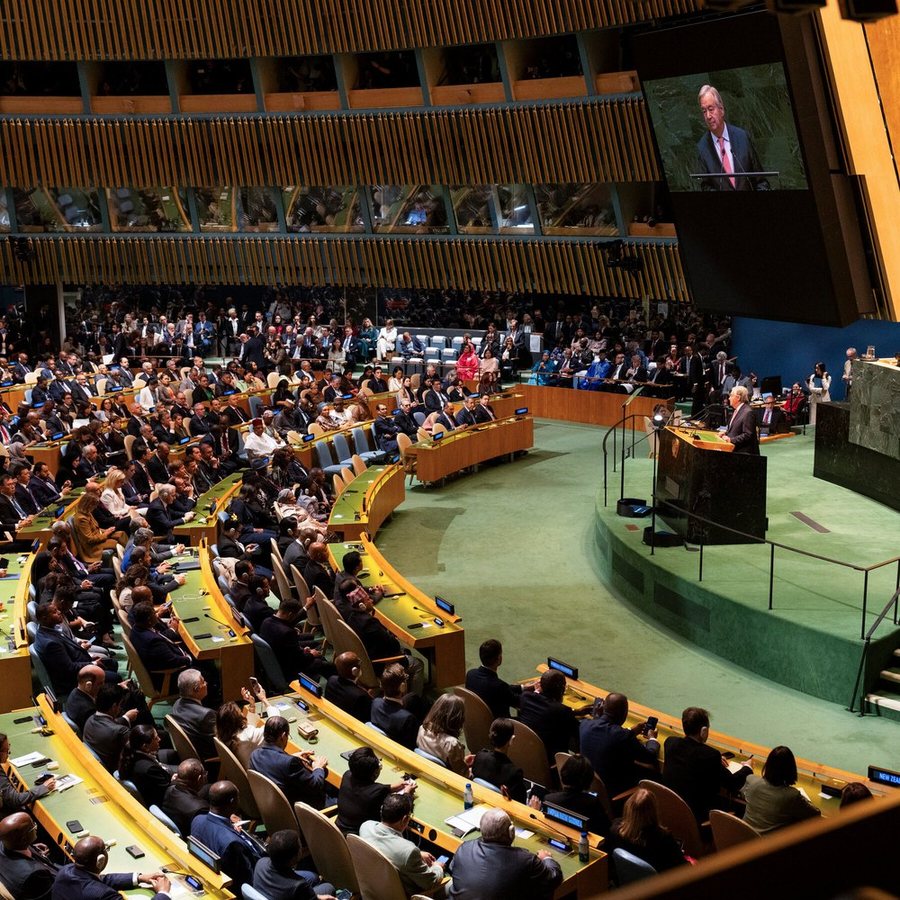
Trump Tells UN Iran Faces Choice Between Deal and Annihilation
Politics 107
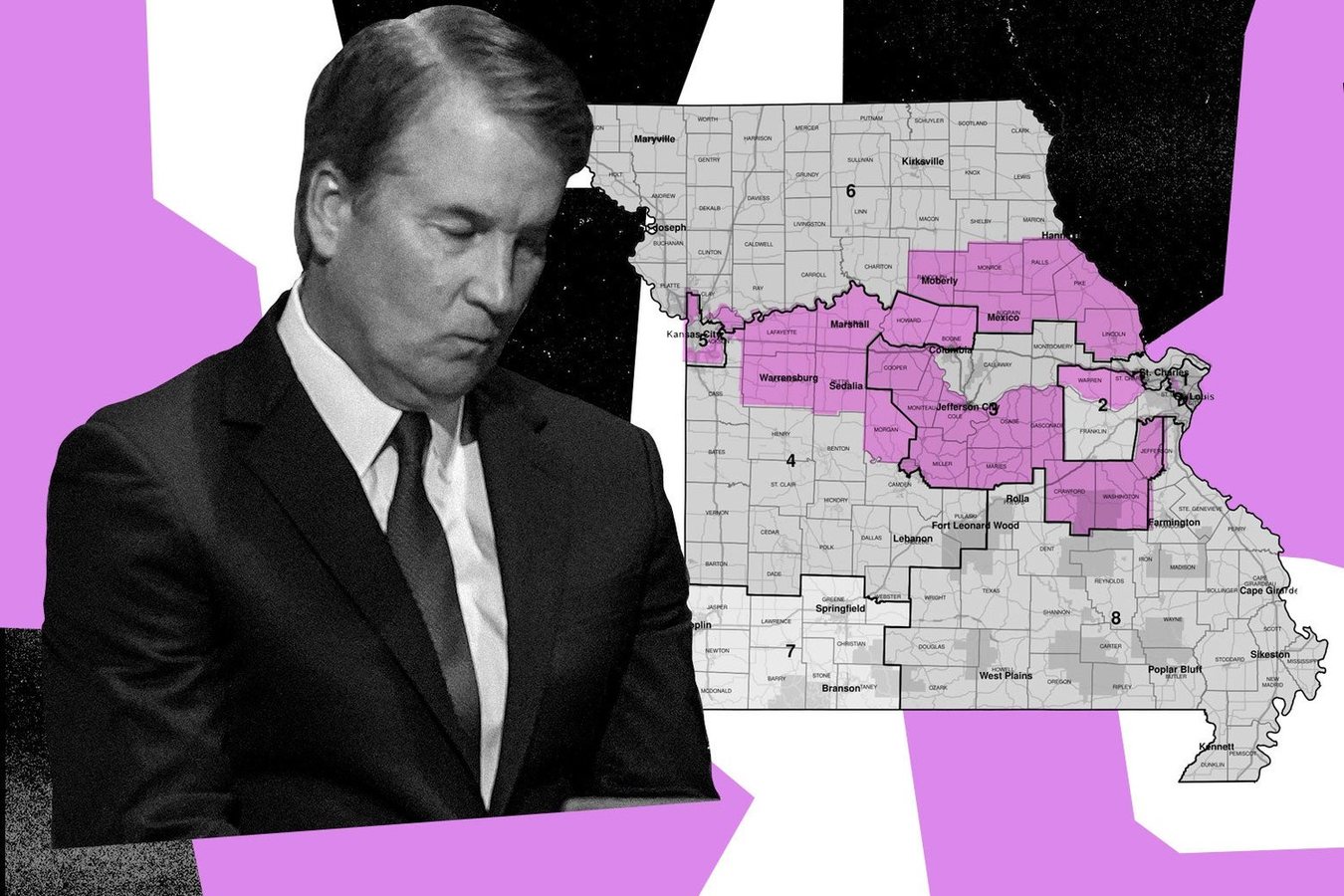
Republican Judges Defy Supreme Court in Missouri Redistricting Fight
Sports 245
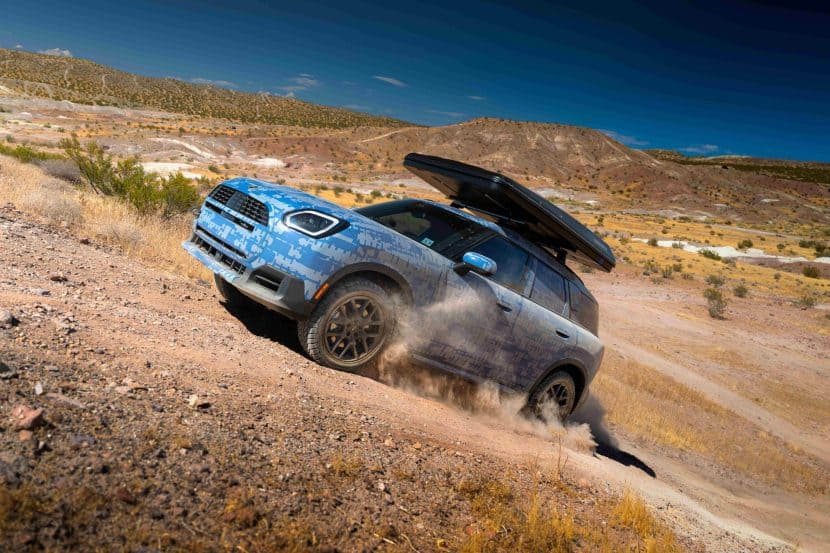
MINI to Debut New Adventure SUV at Rebelle Rally
Technology 163
Chevrolet Builds Two Corvette Generations at Once for the First Time
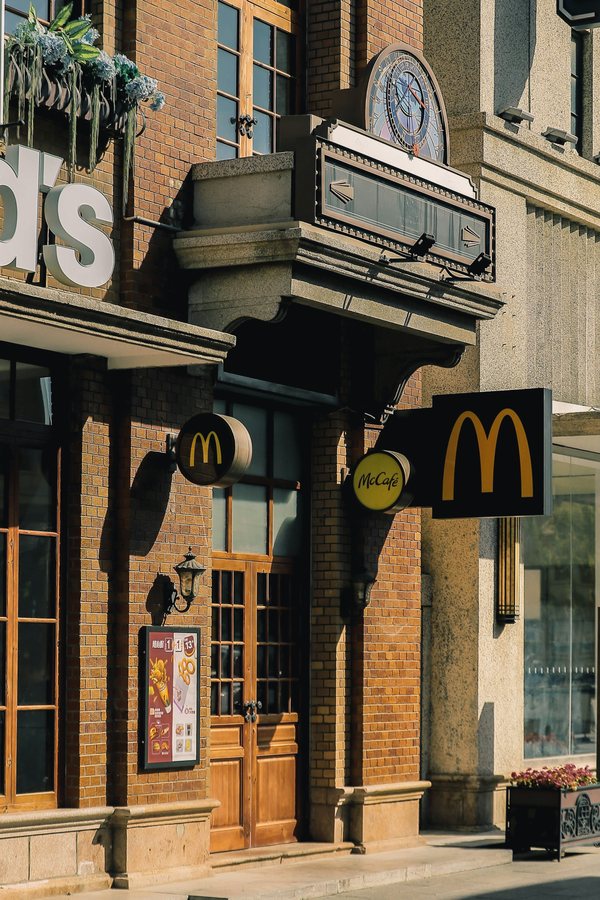
Italy’s restaurant security cases show that leadership is less about hiring intimidating guards than building systems that protect customers, staff and the brand.
By George Kensington · 4 min read
Leadership problems often reveal themselves in ordinary places. A crowded restaurant near a train station can force managers to make decisions about safety, dignity, customer experience and the limits of private authority within seconds. That is why the Italian McDonald’s security story is more interesting than the viral version circulating online. MAIR’s Italian publication Ascensio examined it in “Guardie e mendicanti nei McDonald’s italiani.” It found no evidence that the company deliberately hires African guards to control other Africans.
In Milan, customer reviews describe receipt checks, controlled restroom access and security staff who can become the most memorable part of a visit. One reviewer in 2025 described a man perceived as African who insisted on a purchase before bathroom access. The report is not enough to establish the man’s identity or job status, but it captures a leadership challenge: a rule intended to protect a business can damage the brand if enforcement feels arbitrary or humiliating.
Managers can fail in the other direction as well. A customer at the Piazza Garibaldi McDonald’s in Naples said two security workers were present but that diners were still repeatedly approached for money. If that account is accurate, the lesson is that visible staffing is not the same as an effective system.
The stakes can be physical. ANSA reported that in Milan in 2017 a manager asked a security guard to remove a group described by police as North African after customers were disturbed. A customer who verbally supported the guard was stabbed during the confrontation.
Frosinone’s 2026 protocol is a stronger leadership model because it does not place the entire burden on one person. The plan involves surveillance, lighting, training and rapid contact with law enforcement. It treats security as an organisational capability. Good leaders reduce the number of moments in which an employee has to improvise under pressure.
The franchise structure makes that discipline essential. More than 90 percent of McDonald’s restaurants in Italy are operated by franchisees. The company said in early 2026 that the network included more than 800 restaurants and more than 165 local franchise entrepreneurs. Local ownership allows adaptation, but it also means leadership quality can vary.
That is the brand paradox. McDonald’s Italia publicly emphasizes inclusion, integrity and people. A local operator may simultaneously face customers who demand stricter control and others who resent security restrictions. The job of leadership is not to choose a simplistic “hard” or “soft” position.
The ethnic framing of the viral story fails precisely because it mistakes identity for competence. There is no evidence in the reviewed material that McDonald’s selects guards based on ethnicity to manage people of the same origin. A serious manager should be judged on hiring for capability, training for de-escalation and building accountable processes.
Urban fast food is becoming a test of modern leadership. The restaurant is private property, yet it often functions as a public room. Italy’s McDonald’s cases show that the strongest answer is not a tougher person at the door. It is a better system behind that person.
65