Business 139
BMW Chief Says China-Made iX3 Will Stay Profitable Despite Deep Price Cuts
In this issue
Business 139
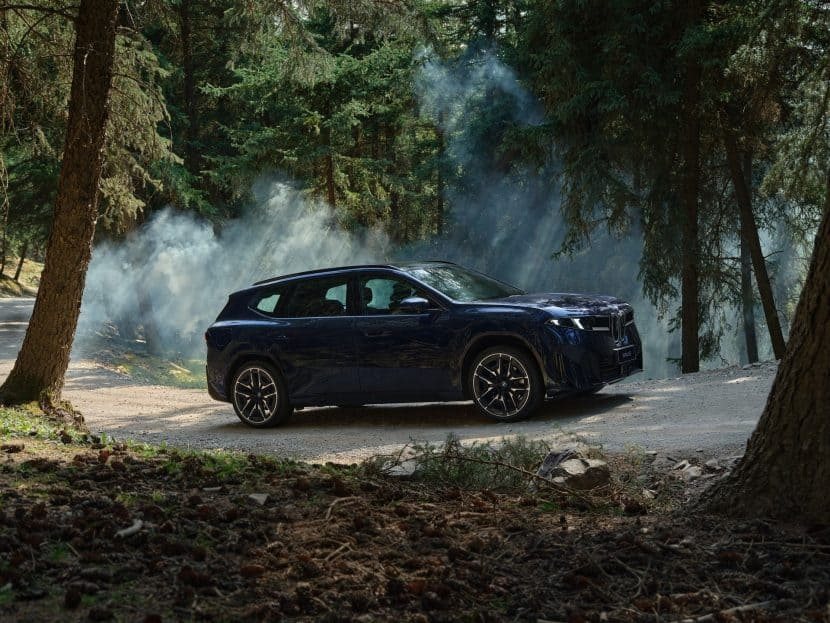
BMW Chief Says China-Made iX3 Will Stay Profitable Despite Deep Price Cuts
Culture 150
Max Mara champions understated elegance at Milan Fashion Week
Economy 33
Bitcoin and Ethereum Surge to Levels Last Seen in January
News 131
Trump Tells UN Iran Faces Choice Between Deal and Annihilation
Politics 108
US Lawmakers Move to Permanently Ban Chinese Cars
Sports 245
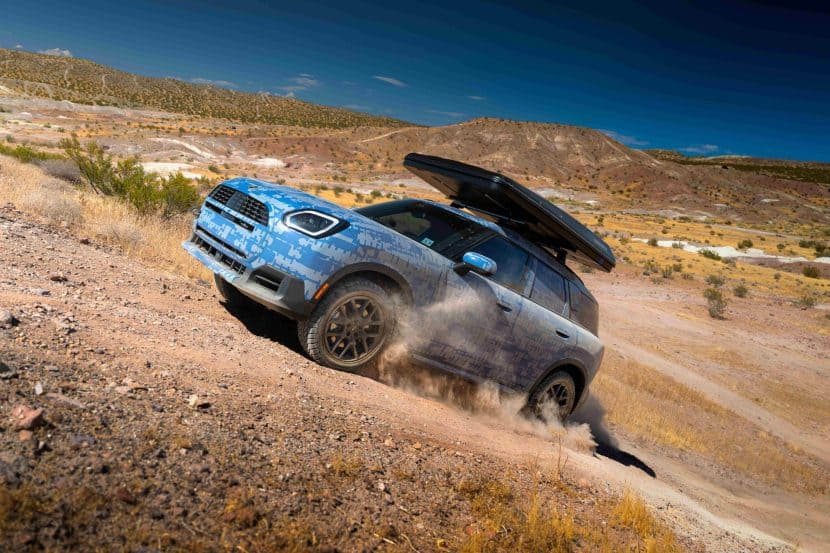
MINI to Debut New Adventure SUV at Rebelle Rally
Technology 163
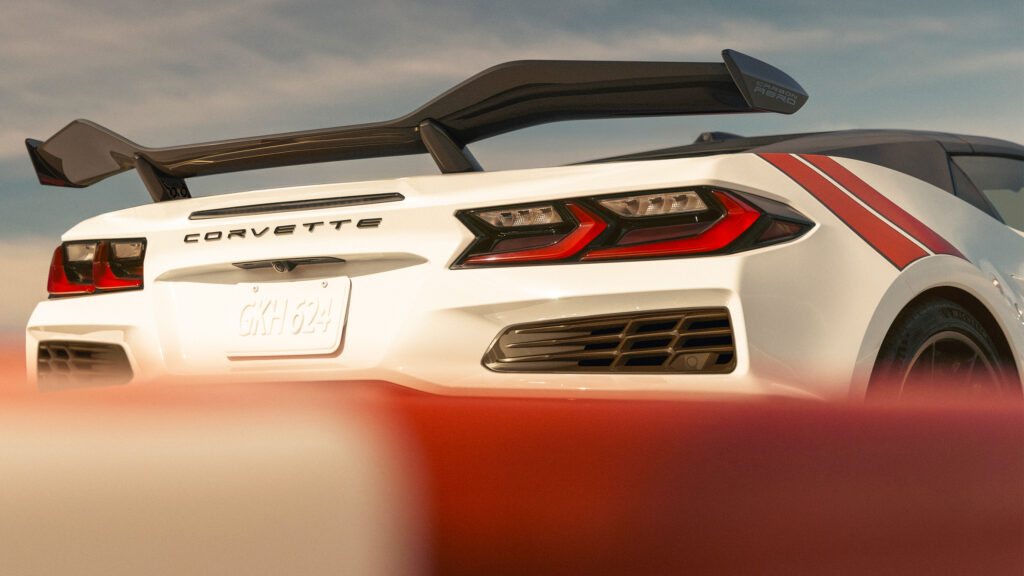
Chevrolet Builds Two Corvette Generations at Once for the First Time
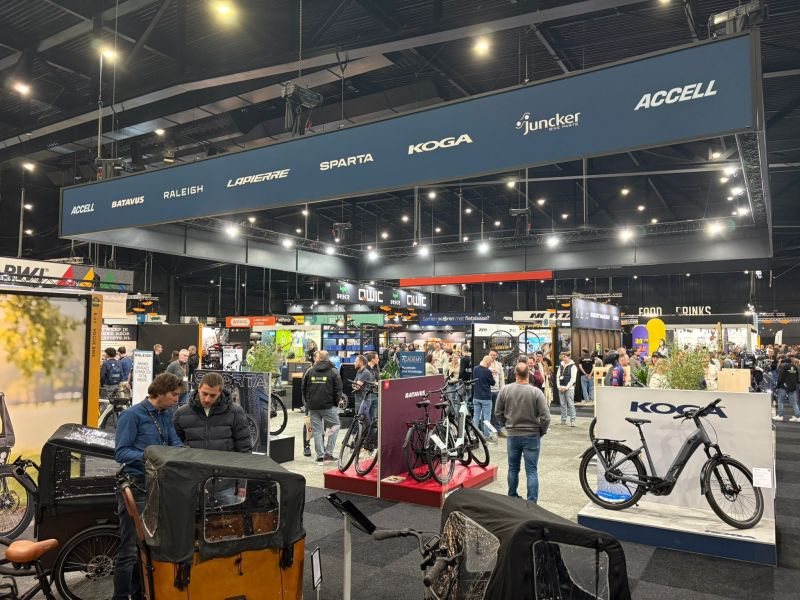
Accell’s insolvency turns Raleigh into a test of durable brand value. The Nottingham name has survived industrial decline, foreign ownership and the end of UK production; now creditors must decide whether that heritage can attract a new owner.
By Edward Beaumont · 6 min read
Raleigh has outlived factories, ownership structures and entire eras of transport. Accell Group’s insolvency now presents another test: can a 139-year-old British brand survive the financial collapse of the European holding company that has owned it since 2012?
The immediate problem sits in the Netherlands. Accell said on August 5 that its Dutch entities had been granted a provisional suspension of payments. The company also acknowledged that, after examining possible alternatives, it had not found a realistic solution that would allow the group to continue in its current form.
For Raleigh, that wording may be more opportunity than obituary. The Accell holding structure is in distress, but brands are transferable assets. Raleigh was founded in Nottingham in 1887 and remains based in its home city. Bicycle production in England ended in 2002, a decade before Accell acquired the company, so the modern business already depends more on brand, design, sourcing, distribution and consumer recognition than on a domestic manufacturing base.
That distinction matters in a breakup. A factory-heavy business can be difficult to separate because property, machinery and labor contracts are intertwined. A mature brand with established product lines and sales channels can potentially be sold to another bicycle group, mobility company or consumer-products investor without recreating the old parent company.
Raleigh is not alone. Accell also owns Lapierre, Winora, Haibike, Ghost, Batavus, Koga, Babboe and other names. The company spent years assembling a broad European portfolio. The current insolvency is likely to test whether that portfolio created genuine shared value or simply placed strong brands inside a capital structure that became too difficult to finance.
The financial story begins with the 2022 buyout led by KKR. The Financial Times values the transaction at €1.8 billion, completed when pandemic-era cycling demand supported bullish assumptions about e-bikes and mobility. The market then changed. Demand moderated, supply-chain decisions left the industry with excess inventory, and discounting weakened margins.
Accell restructured repeatedly. By 2025 the company said debt in its operating group had been reduced to roughly €800 million. In February 2026 it secured additional funding and another debt reduction, but control moved to lenders. KKR and its partners lost their equity position, leaving creditors to decide how to recover value.
They tried a conventional sale. Dutech Group emerged as a prospective buyer, and its acquisition reached merger-control reviews in Germany and Poland. Yet the talks collapsed in early August. With no buyer for the whole enterprise, the logic shifted toward breaking the group into viable pieces.
Germany is already doing that. Accell Germany, Winora Staiger, Ghost Bikes and Engelbert Wiener Bike-Parts have entered self-administered insolvency proceedings. About 370 employees are affected, but operations continue while management looks for an investor. The local businesses generated around €340 million in revenue last year.
France has its own rescue case. Cycles Lapierre filed for judicial restructuring in Dijon. The historic 1946 brand had €99.1 million in 2025 revenue and reduced its operating loss, but the parent’s financial instability disrupted access to working capital. Its chief executive says the aim is to regain independence and autonomy.
These examples suggest how Raleigh could be treated. Creditors have an incentive to preserve operating continuity because the value of a consumer brand falls quickly if dealers lose supply, spare parts become uncertain and customers stop trusting warranties. An orderly sale is therefore likely to be worth more than a disorderly wind-down.
There is also a leadership lesson in Accell’s collapse. As recently as April, the group described itself as transformed and highlighted new 2027 products across key brands. Management may have improved the operating company, but it did not have enough time to make those improvements generate the cash needed by the balance sheet.
For a potential buyer, Raleigh’s attraction is its endurance. The brand has already survived the end of British mass production and the loss of British ownership. Its value lies partly in that continuity: generations recognize the name even when the corporate entity behind it changes.
Accell may therefore disappear as the owner that once promised scale across Europe, while Raleigh continues under yet another corporate structure. If that happens, the episode will underline a familiar rule of brand economics: companies can fail, but a name with enough history, customers and cultural recognition can remain valuable long after the balance sheet around it has been rewritten.
63