Business 213
Obrist Group Files for Insolvency Owing $37 Million After HyperHybrid Failure
In this issue
Business 213
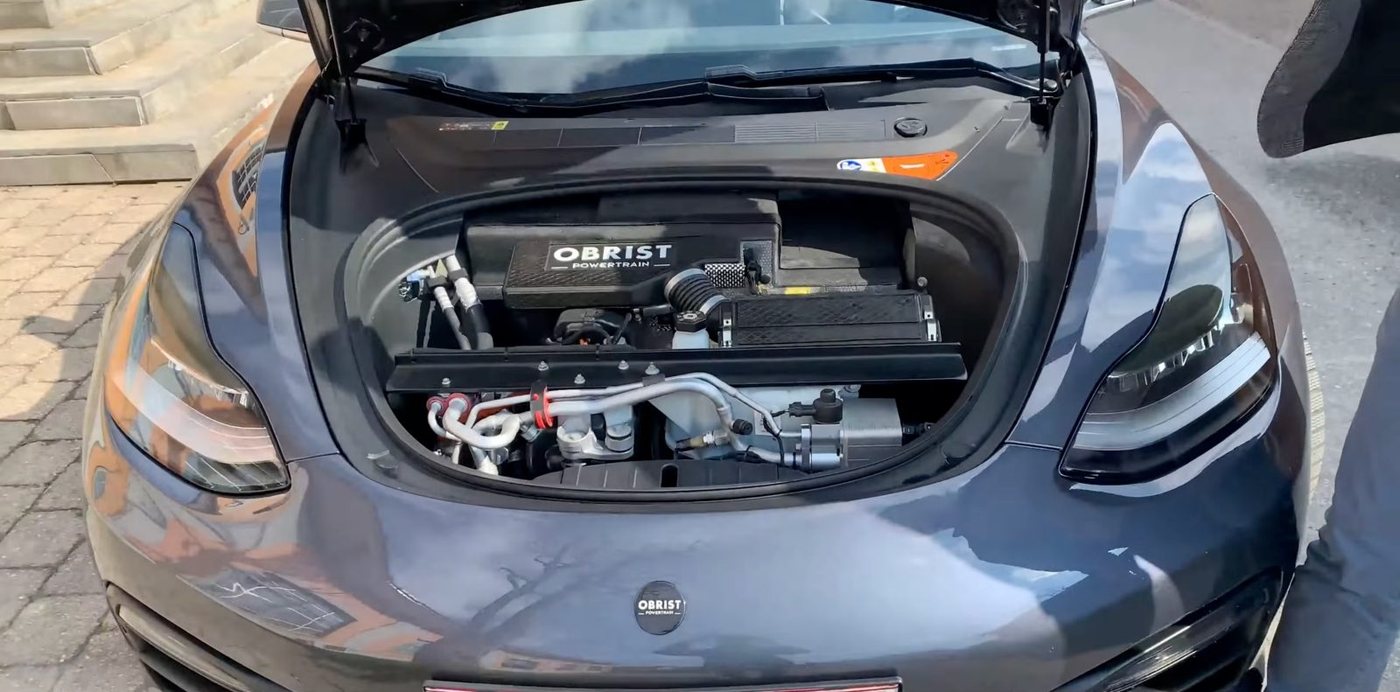
Obrist Group Files for Insolvency Owing $37 Million After HyperHybrid Failure
Culture 257
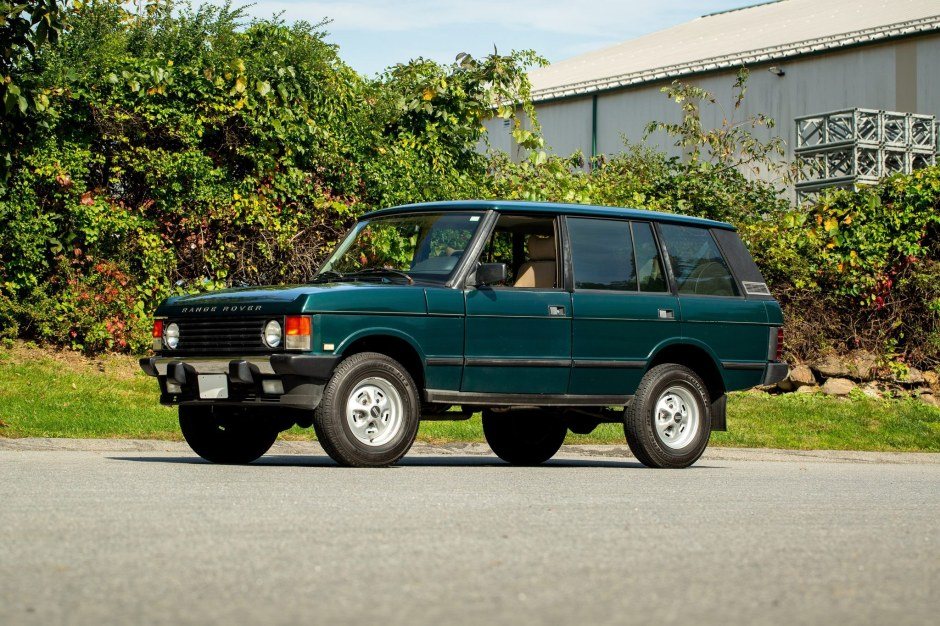
Restored 1995 Range Rover County Classic LWB with GM V8 Heads to Auction
Economy 40
US Petrol Prices Set Record for Longest Stretch Above $4 a Gallon
News 151
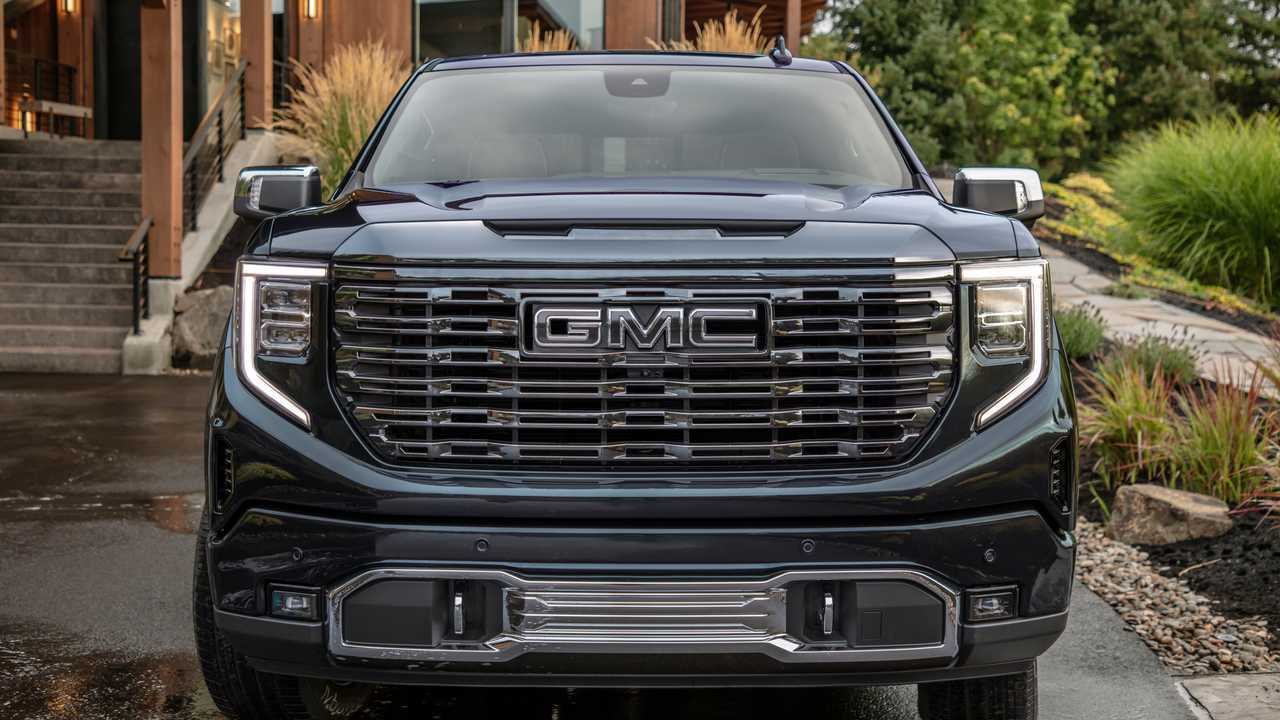
US Safety Agency Investigates 535,000 GMC Sierra Trucks Over Grille Deflector Fau…
Politics 113
Trump Appoints Barbera Thornhill to Lead US Anti-Trafficking Office
Sports 274
Middlesbrough Host Cardiff City in Championship Clash
Technology 297
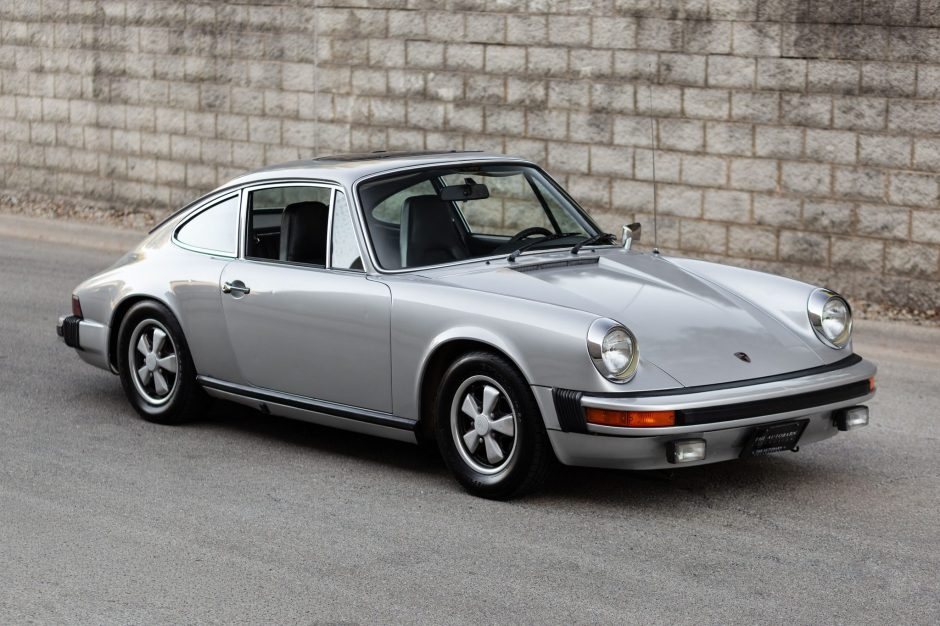
Porsche Mission S Concept Previews New Flagship Supercar Above 911
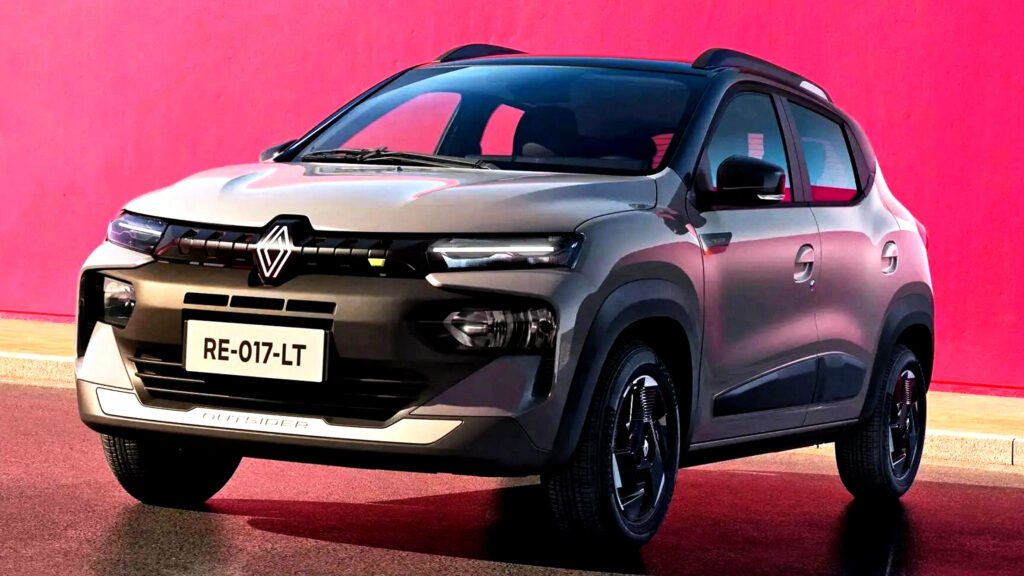
Renault's facelifted Kwid hatchback starts at $16,000 in Brazil versus $4,700 in India, highlighting a stark pricing gap for the same model.
By Edward Beaumont · 3 min read
Renault has given the Kwid urban hatchback a comprehensive facelift for South America, but the update has drawn attention for a different reason: the same car costs more than three times as much in Brazil as it does in India. The Brazilian-spec Kwid now starts at R$ 82,790, roughly $16,000, while its Indian counterpart, which received a lighter refresh earlier this year, begins at Rs 4.53 lakh, about $4,700.
The redesign, the second major facelift since the Kwid's debut in 2016, brings the small hatchback closer to Renault's current design language. The front end features a redesigned bumper with more plastic cladding, a slimmer grille, new cooling intakes, and a skid plate. The split headlights carry over, while the profile and rear remain largely unchanged apart from new taillight graphics and a shark-fin antenna. The range-topping Outsider trim adds roof rails, extra body-side cladding, and two-tone 14-inch alloy wheels.
Inside, the South American car receives a more substantial overhaul than the Indian version. The dashboard now houses a 10.1-inch touchscreen paired with a 7-inch digital instrument cluster, with relocated climate vents and Renault's latest steering wheel emblem. However, the entry-level Evolution trim makes do with a plastic cover where the screen would be and skips the color accents found in the mid-range Techno and flagship Outsider trims.
Mechanically, nothing has changed. The Brazilian Kwid continues to use the aging CMF-A platform, which dates back to 2015 and is also shared with the Dacia Spring, Dongfeng EV Nano Box, and several Nissan and Renault models built in India. Power comes from a naturally aspirated 1.0-liter three-cylinder engine with flex-fuel capability, producing 68 hp on gasoline and 71 hp on ethanol, paired exclusively with a five-speed manual gearbox.
The price gap between markets is stark. In Brazil, the Kwid is manufactured at the Ayrton Senna Complex and ranges from R$ 82,790 for the Evolution to R$ 91,890, about $17,800, for the Outsider. In India, where the car is built in Chennai, prices span Rs 4.53 lakh to Rs 5.61 lakh, roughly $4,700 to $5,900. The difference reflects local manufacturing costs, taxes, and market positioning, but it underscores how the same vehicle can carry vastly different price tags depending on where it is sold.
54