Business 394
Public EV charging could top £1 per kWh as standing charges climb sharply
In this issue
Business 394
Public EV charging could top £1 per kWh as standing charges climb sharply
Culture 414
Writer tests Audi SQ5 on 1,000-mile family trip to France with baby
Economy 54
European Electric Car Sales Jump 49 Percent in Battery-Electric Growth Surge
News 171
Britons stock up on tinned food and bottled water after Be Ready campaign
Politics 127
Trump turns to Maga's radical wing after midterm defeat
Sports 305
Gill Bowls First as Rain Cuts Hamilton ODI to 40 Overs
Technology 372
Subaru Targets 50% Thermal Efficiency With Next-Gen Boxer Engine
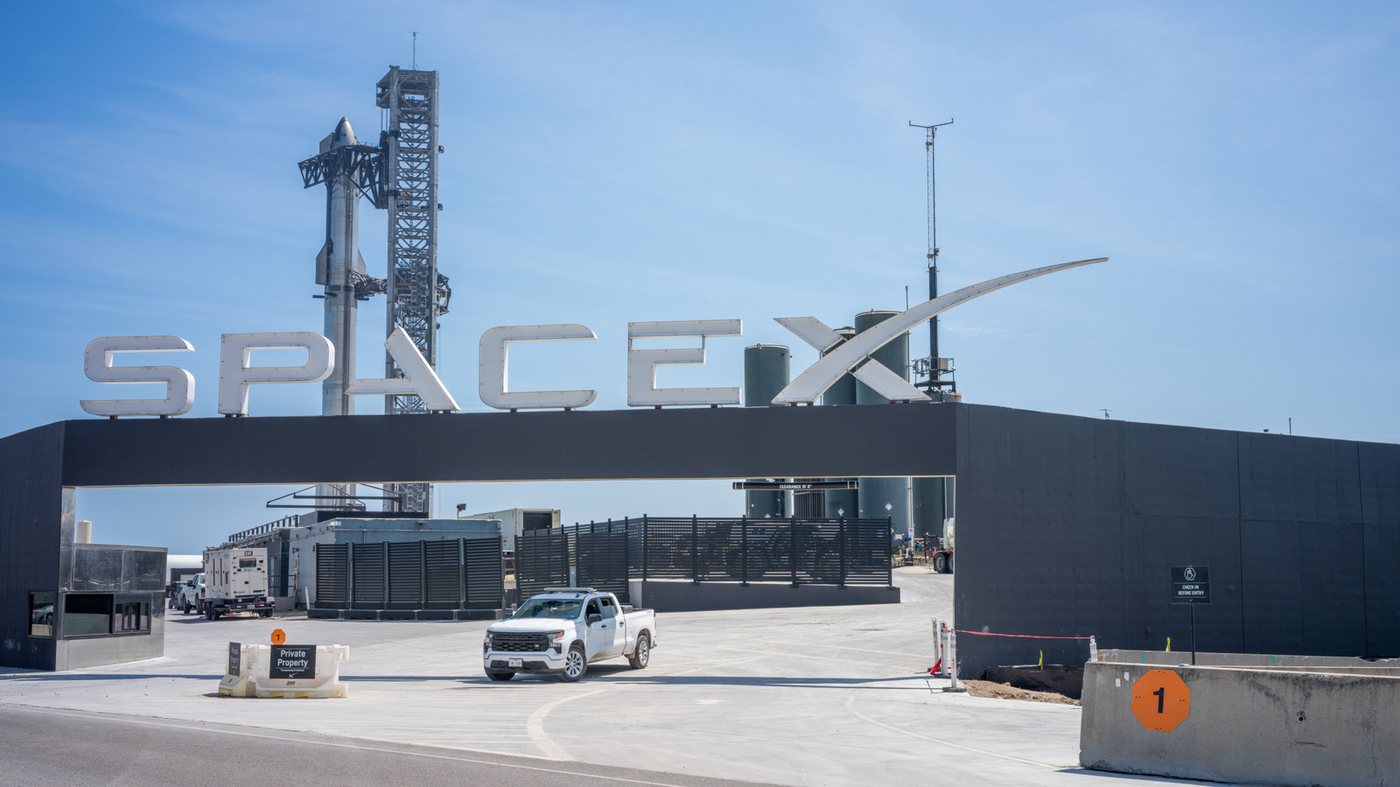
SpaceX is reportedly considering building a data center powered by natural gas, an initiative that illustrates the growing weight of its artificial intelligence activities.
By Edward Beaumont · 3 min read
SpaceX is reportedly considering building a data center powered by natural gas, according to information reported by Jalopnik. The project, if it materializes, would mark a new foray by the company founded by Elon Musk into a sector far removed from its historical space activities.
The main driver of this initiative would be financial. According to available information, artificial intelligence-related activity now generates more revenue than rocket launches. This shift, if confirmed, would reflect the rapid rise in demand for computing infrastructure, which requires considerable electrical power to run servers and ensure their cooling.
The choice of natural gas reflects a well-known logic in the sector. A stable and abundant supply of electricity is often decisive for locating a data center, and operators frequently seek solutions capable of guaranteeing continuous production. Gas-fired power plants are among the options that can meet this requirement, although the specific details of SpaceX's project have not been made public.
This project is part of a broader movement of diversification. Space activity would not disappear: the company would continue to operate its aerospace division, but this could account for a proportionally smaller share of its overall revenue as the artificial intelligence branch grows. A group long identified almost exclusively with the conquest of space would thus be engaged in computing and energy businesses.
This development also carries a strategic dimension. Artificial intelligence infrastructure is among the most electricity-intensive parts of the digital sector, and its development is now placing growing pressure on energy grids and production choices. For a company that has built its reputation on mastering complex technologies, access to a reliable energy source becomes a decisive factor in its ability to sustain this growth.
Several essential elements remain unknown, however. The site's location has not been specified, nor has the volume of gas that would be consumed, the envisaged computing power, the implementation timeline or the project's financing method. Without these data, it is impossible to measure the true scale of the investment or the possible date of commissioning.
The project, as described at this stage, therefore remains at the level of a reported intention. It nonetheless fits into a context where major technology players are multiplying announcements of energy-intensive infrastructure, and where the question of electricity supply is becoming a major issue for the entire sector. The company's next clarifications will show whether this project translates into concrete commitments.
Source: jalopnik.com
20