Business 236
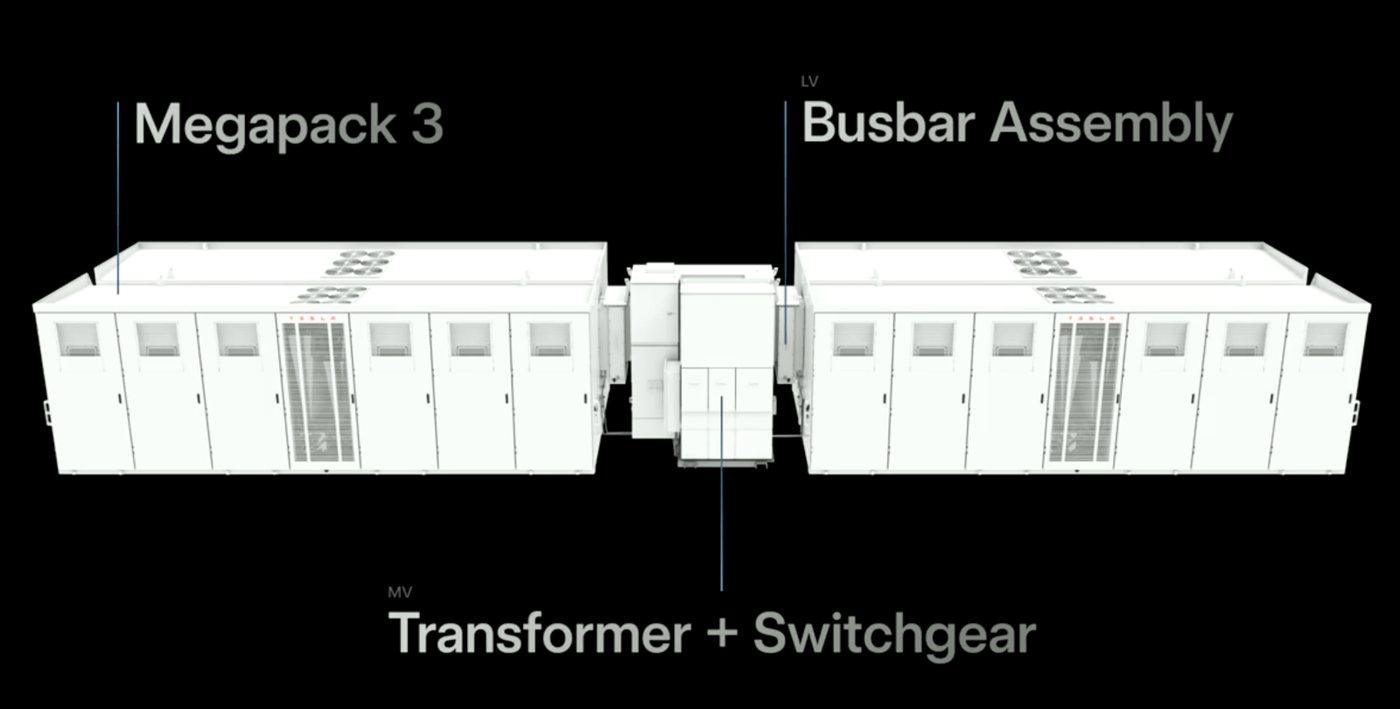
Tesla Energy Revenue Falls 16% After Tariff Refunds
In this issue
Business 236
Tesla Energy Revenue Falls 16% After Tariff Refunds
Culture 272
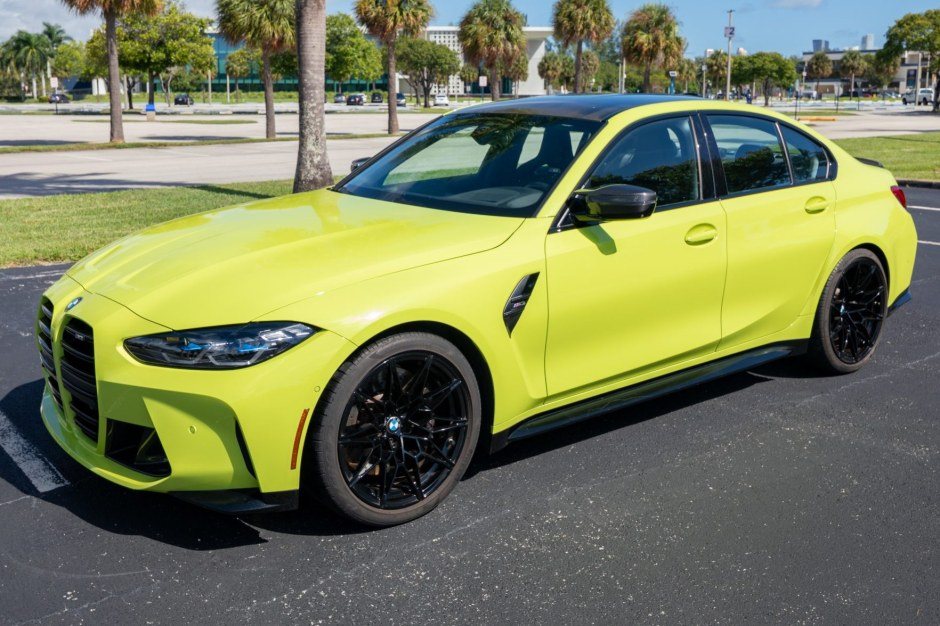
2021 BMW M3 with Six-Speed Manual and 6k Miles Heads to Auction
Economy 41
German Economists Set Income Threshold for the Upper Class
News 158
EU Loosens 2035 Emissions Targets in Move That Could Keep Petrol Cars Alive
Politics 115
Burnham launches crackdown on loud music on public transport
Sports 282
Ipswich Town to host Nottingham Forest in Premier League fixture
Technology 323
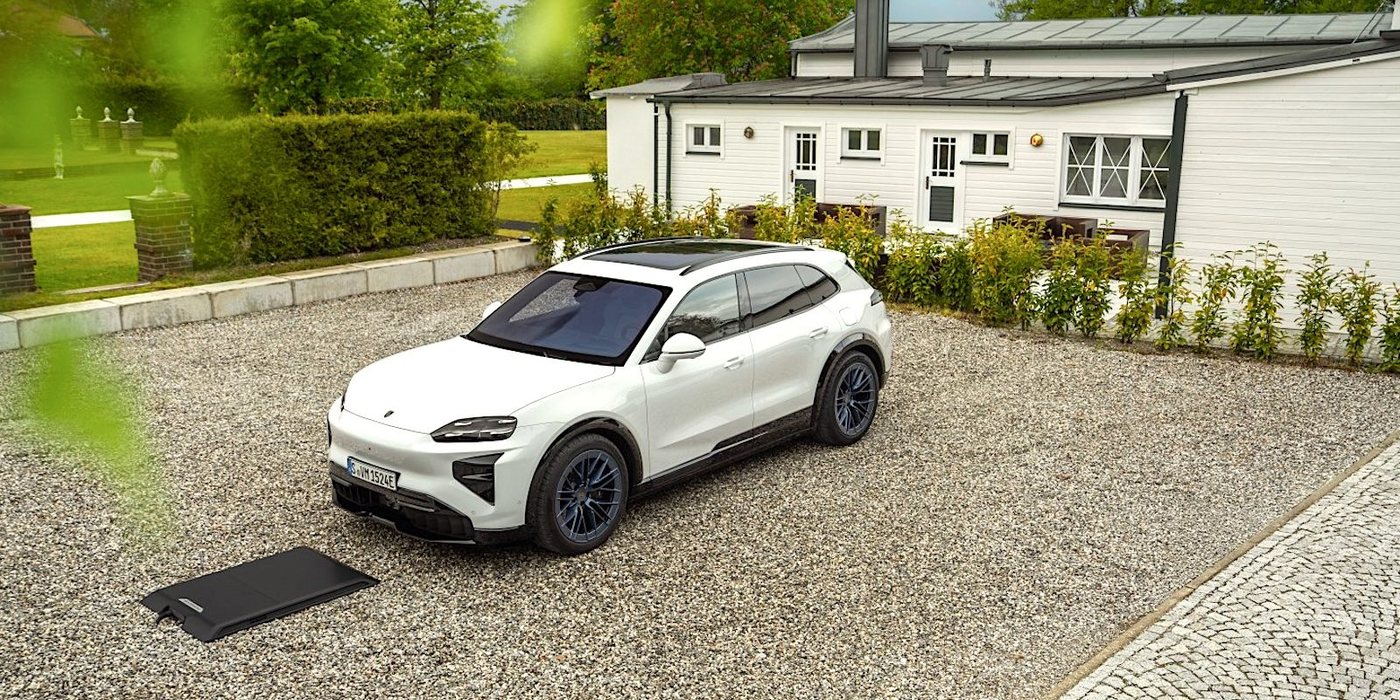
Porsche Adds Wireless Inductive Charging to Cayenne Electric
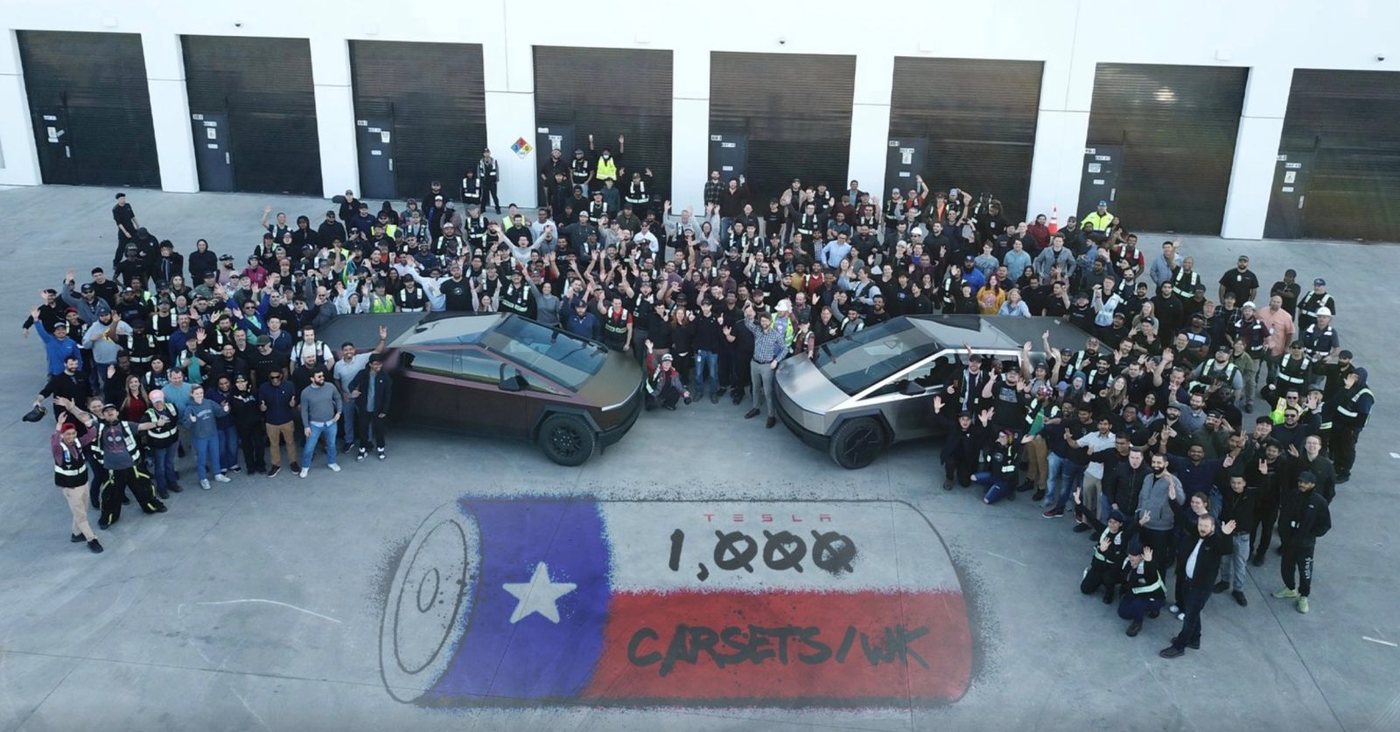
Tesla has told shareholders that battery availability, not weak demand, is limiting its car sales, claiming its largest order backlog in four years. But the same quarterly letter shows falling prices and flat volumes that sit awkwardly with that explanation.
By Edward Beaumont · 4 min read
Tesla has attributed flat vehicle sales to constraints on battery supply rather than a lack of buyers, telling investors in its third-quarter 2026 shareholder letter that battery availability «continued to be the limiting factor in increasing auto volumes in the quarter». The company also said it finished the period with «the largest backlog for our passenger vehicles in four years», a claim intended to reassure shareholders that demand remains strong.
The explanation places the bottleneck in Tesla's supply chain rather than its showrooms. Battery cells are the single most expensive component in an electric vehicle, and Tesla has long argued that securing enough of them determines how quickly it can raise output. On that reading, the company is selling every car it can build and would grow faster if more cells were available.
Yet the figures published alongside that statement do not obviously support the picture of a manufacturer with more buyers than cars. Prices have continued to fall, a pattern more usually associated with a company working hard to stimulate demand than one unable to keep up with it. When order books are genuinely full, firms rarely need to keep cutting what they charge.
The combination is awkward for investors trying to judge the health of Tesla's core car business. A large backlog implies customers waiting patiently for delivery, which would normally allow a company to hold or raise prices. Falling prices alongside flat volumes point the other way, towards a market where competition is biting and buyers need persuading.
Tesla's shareholder letter offers no detailed reconciliation between the two claims. The company has not set out how much of its backlog reflects firm orders rather than refundable reservations, nor how battery supply constraints vary between its vehicle lines and markets. Without that breakdown, the backlog figure is difficult to weigh against the pricing trend.
The debate matters because Tesla's valuation has long rested on expectations of rapid volume growth. If battery supply is the true ceiling, the constraint is temporary and largely outside the company's control, and resolving it would unlock pent-up sales. If demand is the real limit, the problem is more fundamental and harder to fix with new factories or supplier deals.
Battery availability has been a recurring theme for electric vehicle makers in recent years, as manufacturers compete for cells and raw materials. Tesla has invested heavily in its own battery production and in securing supply agreements, and any shortfall would affect its ability to scale output across models.
For now, the company is asking shareholders to accept that its flat sales reflect what it could build rather than what it could sell. The pricing data in the same letter gives them reason to treat that explanation with caution until Tesla provides more detail on orders, deliveries and the true state of its battery pipeline.
11