Business 192
Jaguar Type 01 Debuts as Brand Bets on Electric Luxury
In this issue
Business 192
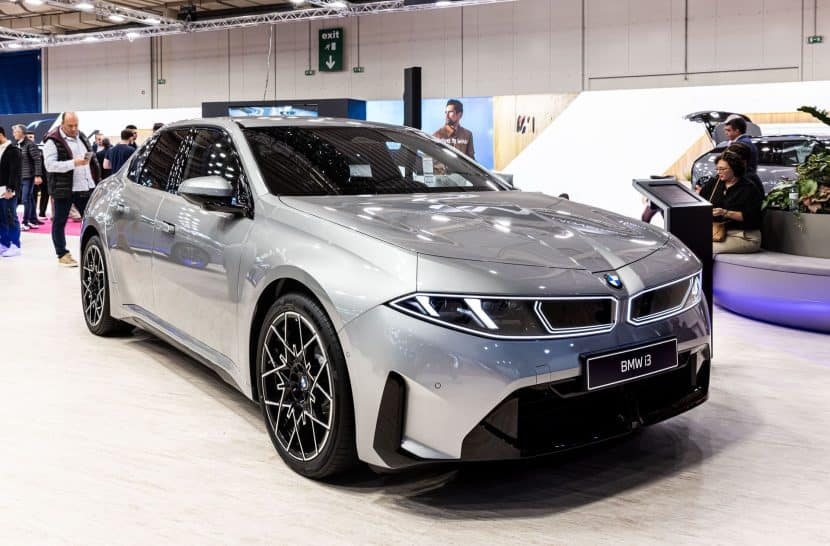
Jaguar Type 01 Debuts as Brand Bets on Electric Luxury
Culture 213
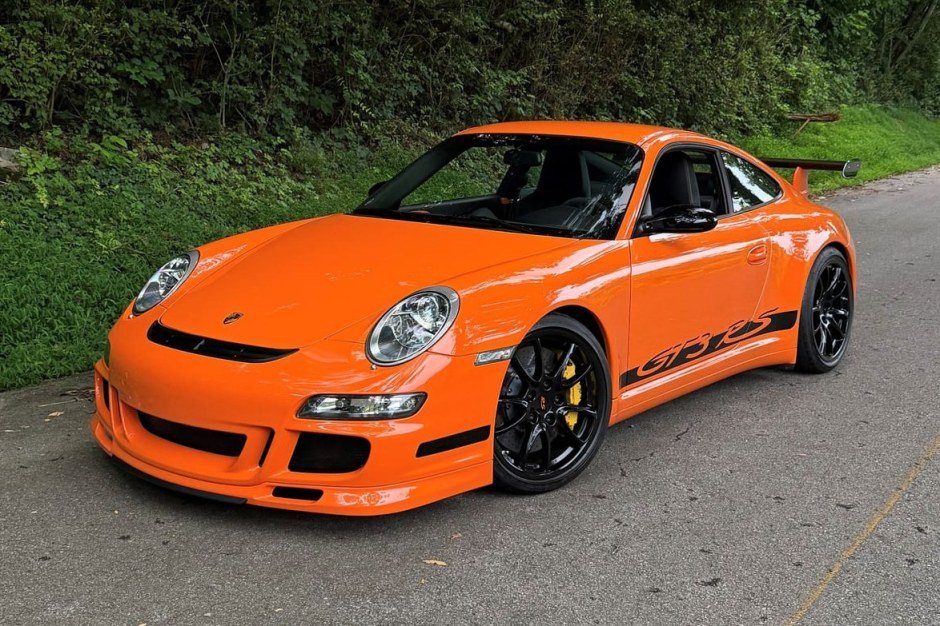
2008 Porsche 911 GT3 RS with 8k Miles Heads to Auction at No Reserve
Economy 36
G7 Agrees to Release 100 Million Barrels of Diesel and Crude Oil to Ease Price Su…
News 147
Texas Insurance Fraudster Sentenced to 13 Years and Ordered to Forfeit 90-Car Col…
Politics 110
Trump Urges Republicans to Vote by Mail After Years of Criticising the Practice
Sports 261
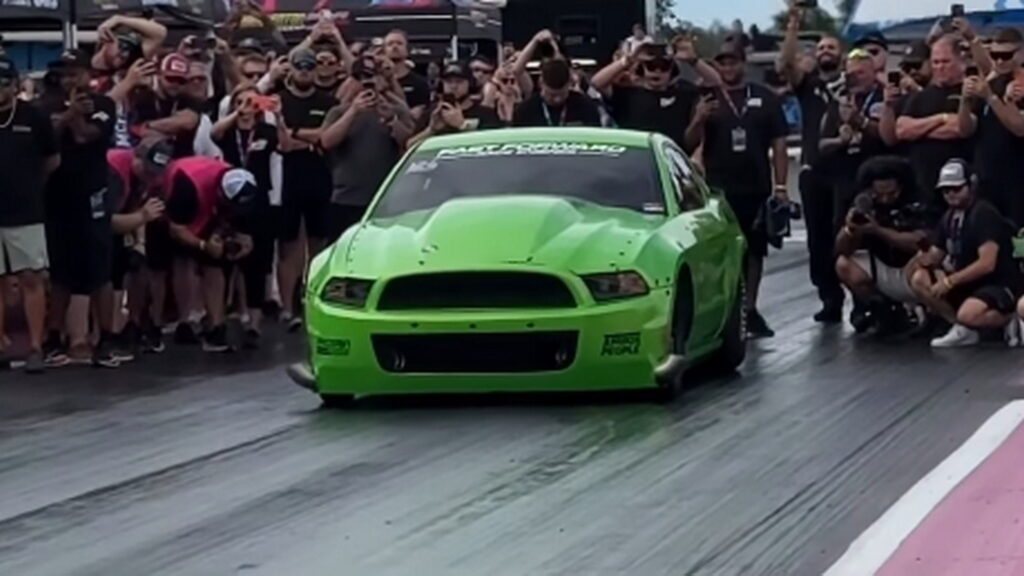
Mustang Sets Stick-Shift Record Then Crashes at 228 MPH
Technology 237
Porsche Unveils Mission S Supercar Concept as Part of Turnaround Plan
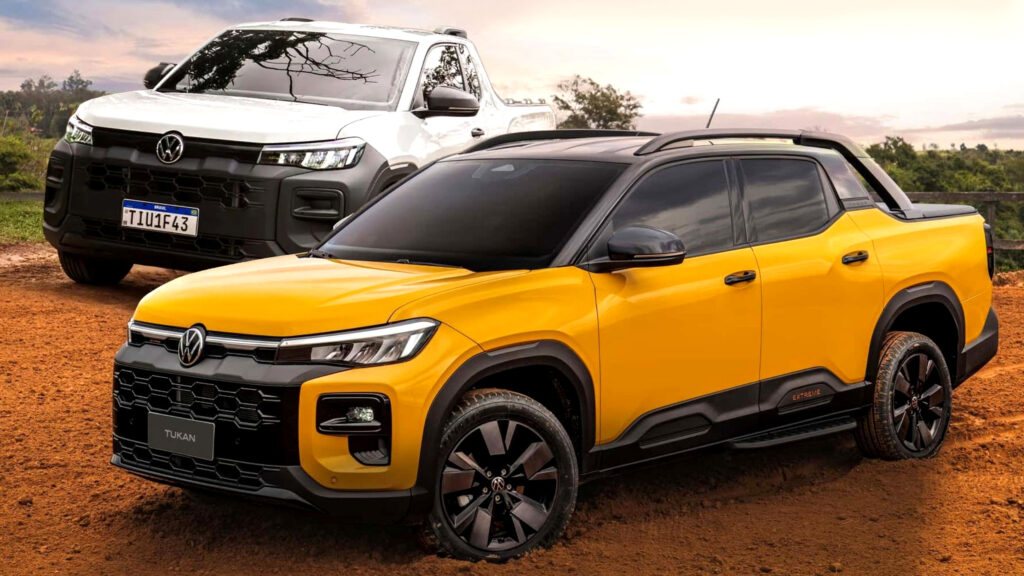
Volkswagen's Brazilian division has unveiled the Tukan, a new unibody compact pickup designed, engineered and assembled in Brazil. It will be offered in single and double-cab variants, with a mild-hybrid option, and is scheduled to reach dealerships in the first half of 2027.
By Eleanor Ellington · 3 min read
Volkswagen has taken the wraps off the Tukan, a new unibody compact pickup built exclusively for South American markets. Designed, engineered and assembled entirely in Brazil, the model replaces the long-serving Saveiro and takes direct aim at the Fiat Strada, the region's dominant small truck.
The range opens with two body styles: a single-cab version for buyers who prioritise cargo capacity, and a double-cab for those who need to carry passengers as well as loads. The single-cab was shown in entry-level Robust specification with unpainted bumpers, while the four-door double-cab sits at the top of the range in flagship Extreme trim, featuring the new Canary Yellow paint, dark alloy wheels, full LED lighting and a built-in sports bar.
Styling follows the design language Volkswagen has applied across its current SUV line-up, with hardened edges suited to pickup duty. The LED headlights borrow their shape from the European-market Tiguan, giving the Tukan a sharper face, while the lower bumper is finished in black with a honeycomb insert. The profile is defined by squared-off wheel arches, generous plastic cladding on the doors and sculpted fenders, with vertical LED taillights and a large tailgate extending deep into the rear bumper at the back.
Underneath, the Tukan is built around a reworked version of the MQB unibody architecture that underpins the VW T-Cross subcompact SUV, accounting for shared hardpoints. It is the first MQB vehicle to run rear leaf springs, a setup Volkswagen says allows for more payload than a conventional torsion beam axle. Prototypes covered over 2 million kilometres in testing, according to the automaker.
Volkswagen has not yet revealed detailed specifications, but the pickup will be offered with a mild-hybrid turbo 1.5-litre TSI four-cylinder engine alongside traditional flex-fuel options, which are common in Brazil and can run on petrol or ethanol.
Production will take place at Volkswagen's São José dos Pinhais plant in Paraná, Brazil, with 76 per cent of components sourced locally. Official deliveries in South American markets are scheduled to begin during the first half of 2027, pitting the Tukan mainly against similarly sized rivals such as the Fiat Strada and Chevrolet Montana rather than the larger Ford Maverick and Ram Rampage.
The compact pickup is part of Volkswagen's R$ 20 billion ($3.9 billion) investment in the region, which covers 21 new model launches by 2028. The Tukan is expected to play a central role in that plan as Volkswagen seeks to strengthen its position in one of the world's most competitive pickup markets.
55