Business 235
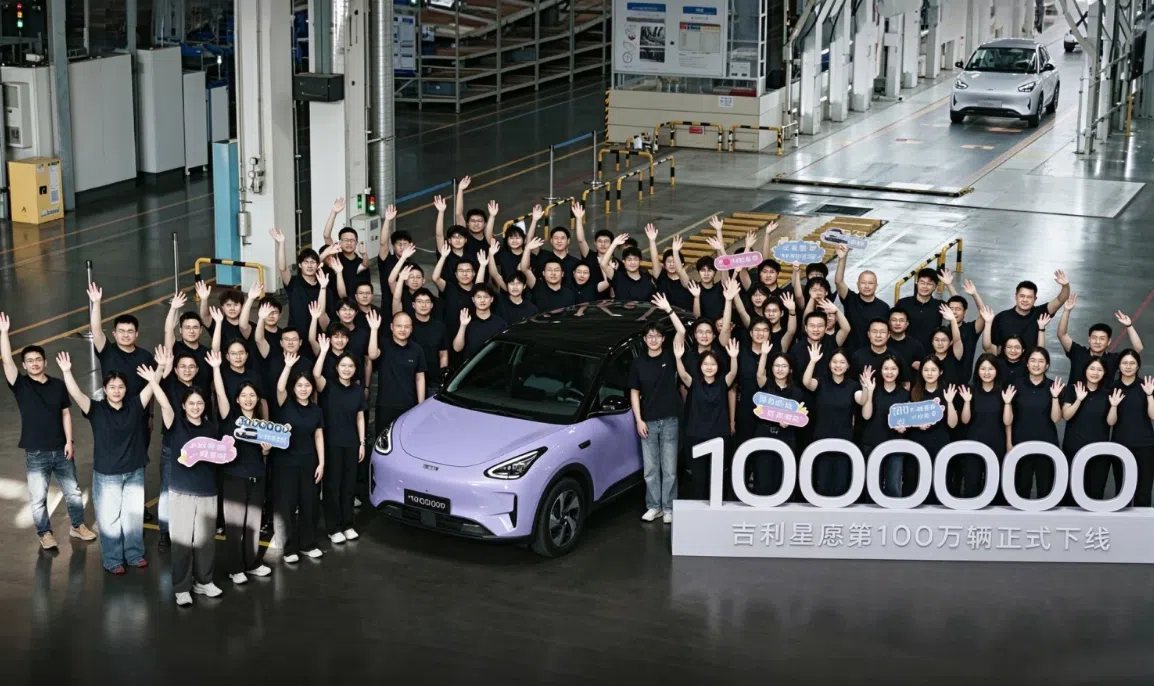
Geely's compact EV hits one million sales in two years
In this issue
Business 235
Geely's compact EV hits one million sales in two years
Culture 270
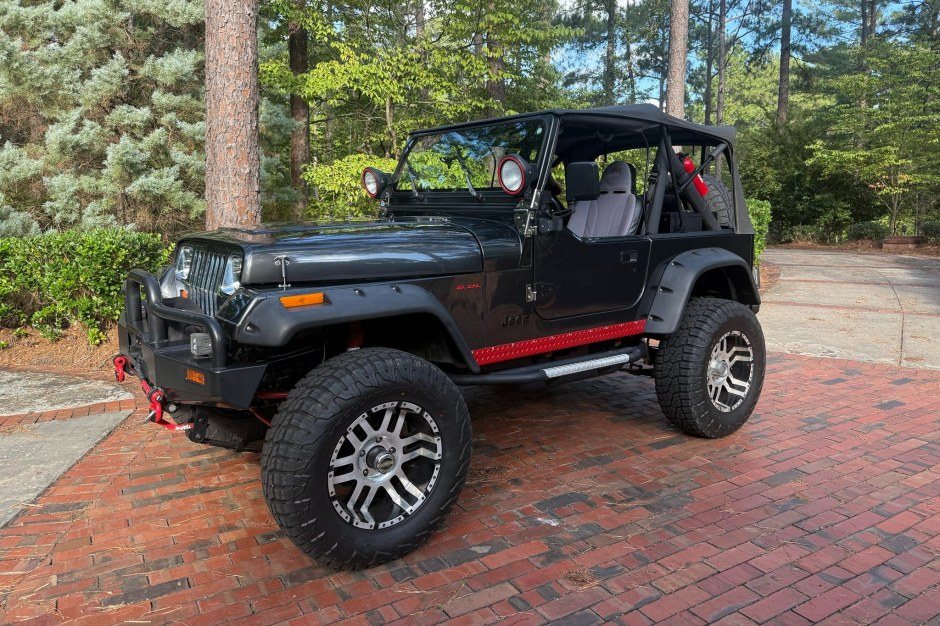
LS2-Powered 1989 Jeep Wrangler Laredo Heads to Auction
Economy 41
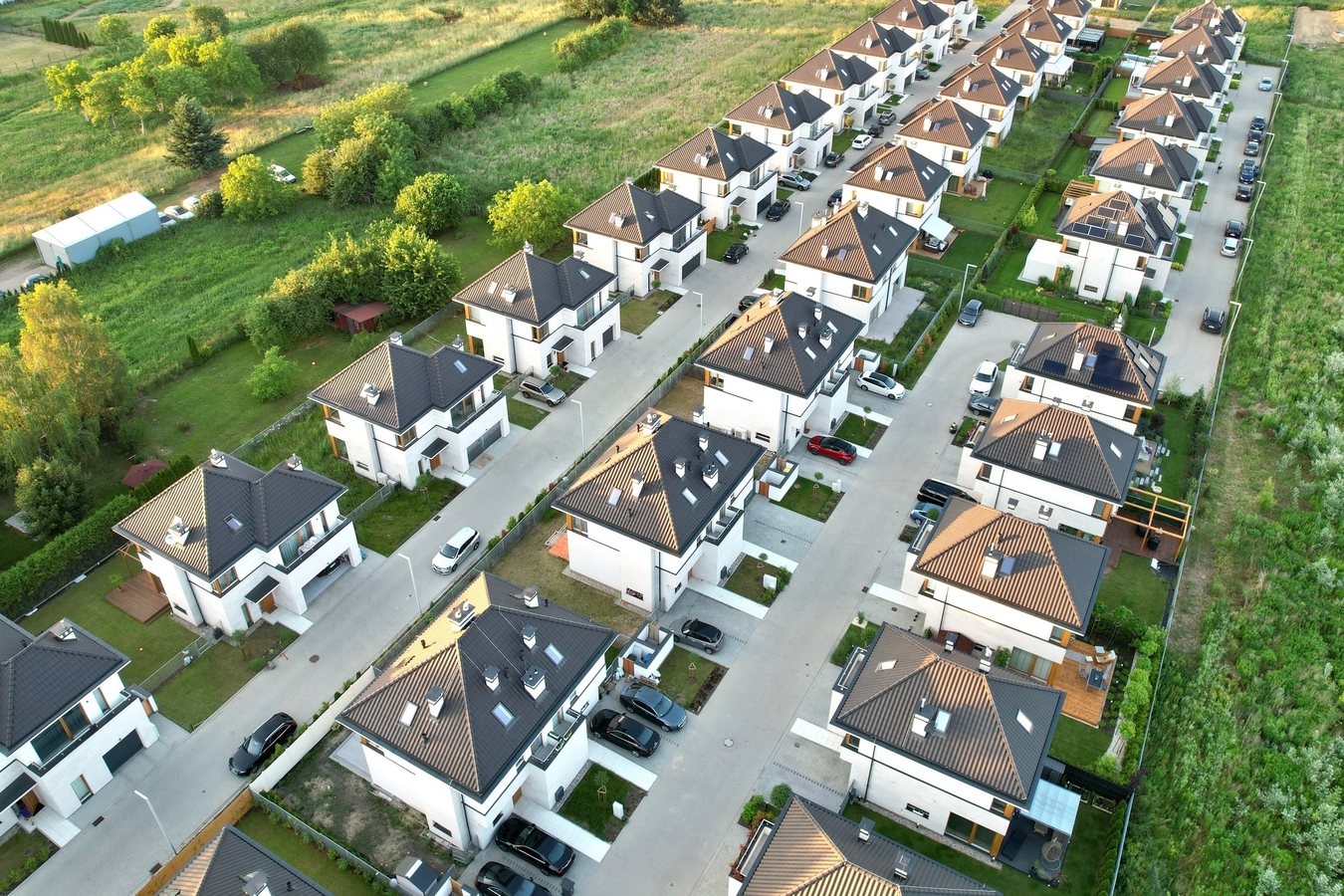
German Economists Set Income Threshold for the Upper Class
News 158
EU Loosens 2035 Emissions Targets in Move That Could Keep Petrol Cars Alive
Politics 115
Burnham launches crackdown on loud music on public transport
Sports 280
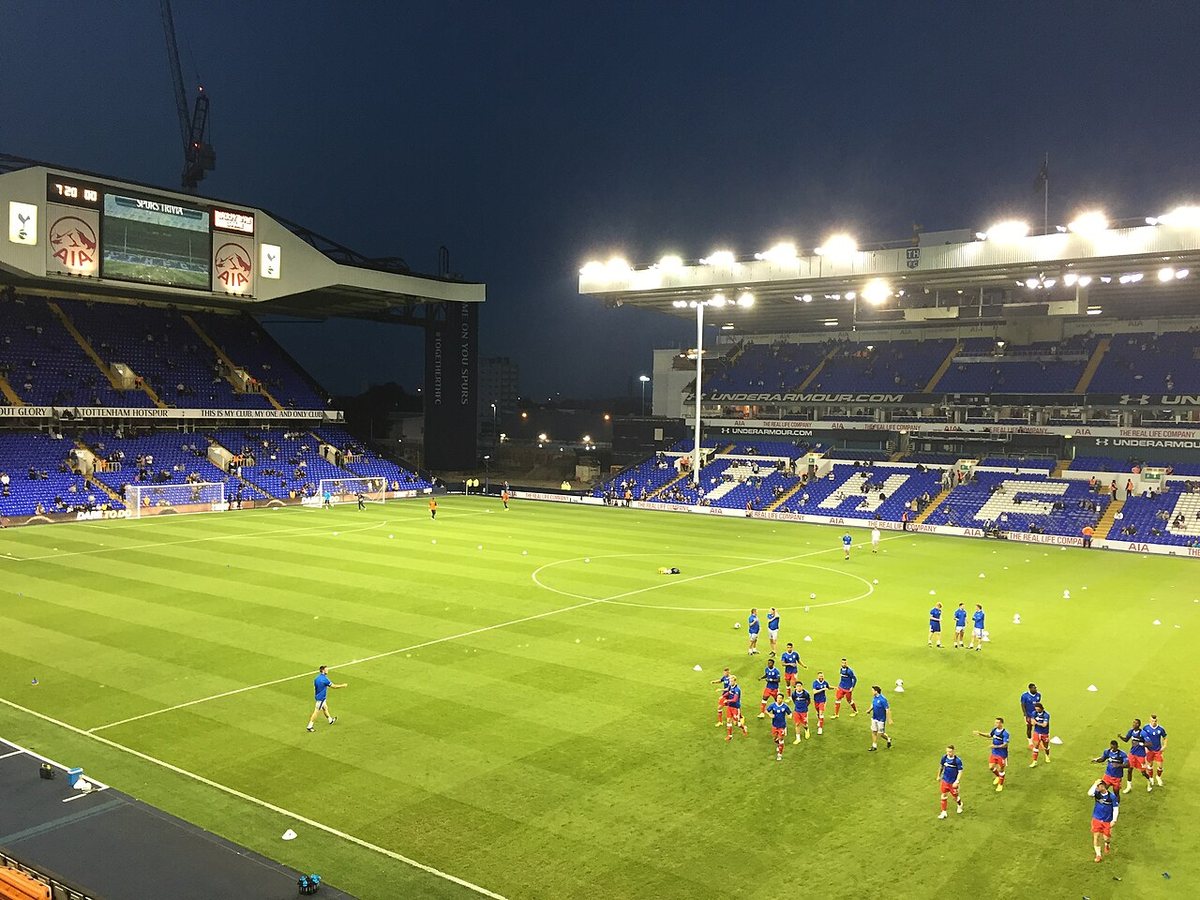
Tottenham beat Coventry as De Zerbi faces injury concerns
Technology 320
LiveWire to Unveil Two New Electric Motorcycles at EICMA
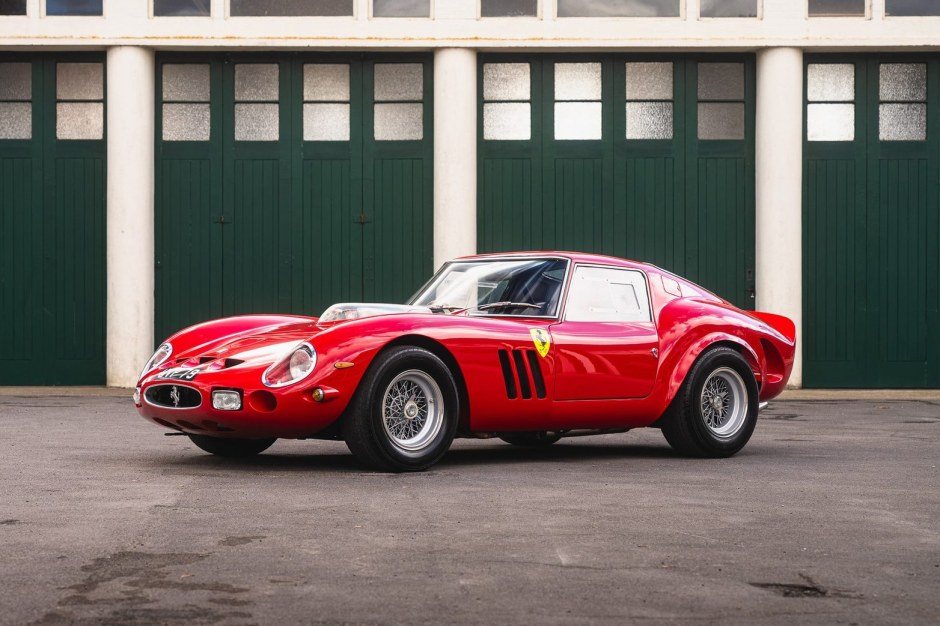
A hand-built Ferrari 250 GTO re-creation, constructed over seven years in Northamptonshire and later fitted with a 5.75-litre V12 from a 575M, is offered at no reserve in Bicester with build photos and a V5C.
By Edward Beaumont · 5 min read
A hand-built Ferrari 250 GTO re-creation, assembled over roughly seven years at a Northamptonshire restoration shop and subsequently upgraded with a 5.75-litre V12 from a Ferrari 575M, is being offered for sale at no reserve in Bicester, England. The car, which began life as a shortened right-hand-drive 1978 Ferrari 400i, is consigned by the dealer Sports Purpose and comes with build photographs, invoices and a British V5C registration document.
Construction started in 1985 under the car's current owner, who used the shortened chassis of the 400i as the basis for a 250 GTO-style spaceframe. The wheelbase was cut to match the original model's 2,400mm, while a widened replica aluminium body was sourced from Eurospares. According to the selling dealer, Eurospares claimed at the time that the body was built by Scaglietti. The body is said to have been widened by two inches on each side to accommodate the wider track of the 400i's oval-tube frame.
The project was completed with power from a 4.4-litre 365 GT4 four-cam Colombo V12, and the car has since been driven regularly on the road, including a tour of Europe, alongside occasional club races and hillclimbs in the UK and abroad. In 2009 it was fitted with the larger 5.75-litre F133E V12 from a 575M, modified with Jenvey individual throttle bodies, a custom cast intake manifold, custom-fabricated exhaust manifolds and a DTAFast sequential ECU. A Ferrari 550 six-speed manual transaxle was added at the same time, along with Wilwood disc brakes with adjustable bias, adjustable coilover shock absorbers, Borrani competition wire wheels and a foam-filled aluminium fuel tank.
The car is finished in red, having previously been yellow before a repaint approximately six months ago. Its features include faired-in headlights, rectangular fog lamps, three D-shaped nose inlets, a transparent Perspex hood bulge revealing the intake trumpets, triple angled fender vents, flared rear fenders and quad exhaust outlets. Silver-painted Borrani wire wheels with polished lips measure 15x7.5 inches at the front and 15x9 inches at the rear, secured by three-eared knock-offs and shod with Avon tyres.
Inside, the right-hand-drive cockpit houses fixed-back bucket seats trimmed in black leather with matching quilted upholstery over the centre tunnel, blue Willans harnesses, a gated shifter and a fire suppression system. A Nardi wood-rimmed steering wheel sits ahead of Veglia instrumentation, including a central tachometer with an 8,000rpm redline. A 180mph Veglia Borletti speedometer is fitted to the driver's left but is not connected. The odometer shows 33,000 miles, with mileage since the build estimated at 18,000 miles.
The 5.75-litre V12 features dry-sump lubrication, dual overhead camshafts on each cylinder bank, four valves per cylinder and electronic fuel injection. Its modifications include an intake plenum that seals against the hood panel to form a filtered cold-air box, and custom exhaust manifolds without catalytic converters. Timing belts were replaced in 2025, while service in May 2026 included rebuilds of the throttle bodies and a new battery. A 2009 dynamometer sheet records peak output of approximately 601 horsepower at 7,000rpm and 471 at 6,000rpm, although the dealer says the engine can be run to 8,000rpm.
The original 250 GTO was developed in 1961 as Ferrari's competition department sought to address the aerodynamic shortcomings of the 250 GT SWB Berlinetta ahead of the 1962 FIA International Championship for GT manufacturers. Design began under Giotto Bizzarrini, whose 1961 departure left the remainder of styling and construction to Scaglietti. Thirty-six examples were built between 1962 and 1964, each with distinct bodywork details, leading Ferrari to three consecutive International Championship for GT Manufacturers titles.
16