Business 239
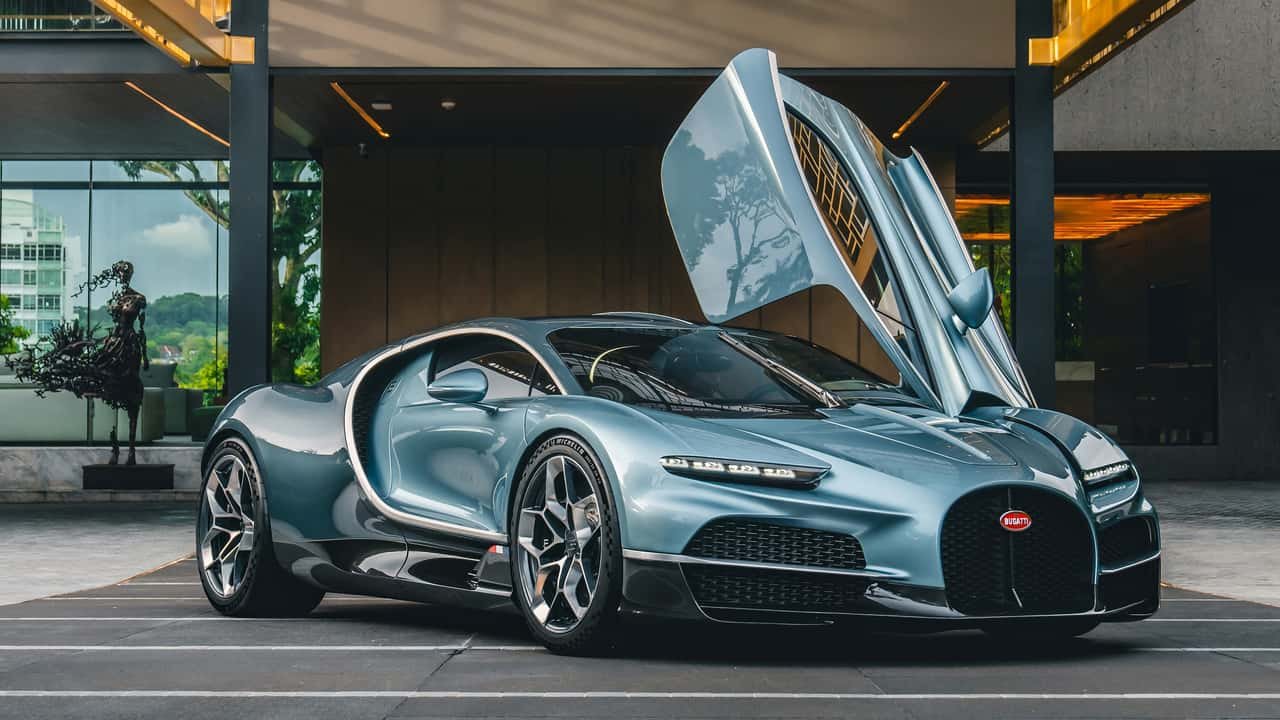
Volkswagen Backed Electric Bugatti Before Rimac Pushed for V16
In this issue
Business 239
Volkswagen Backed Electric Bugatti Before Rimac Pushed for V16
Culture 274
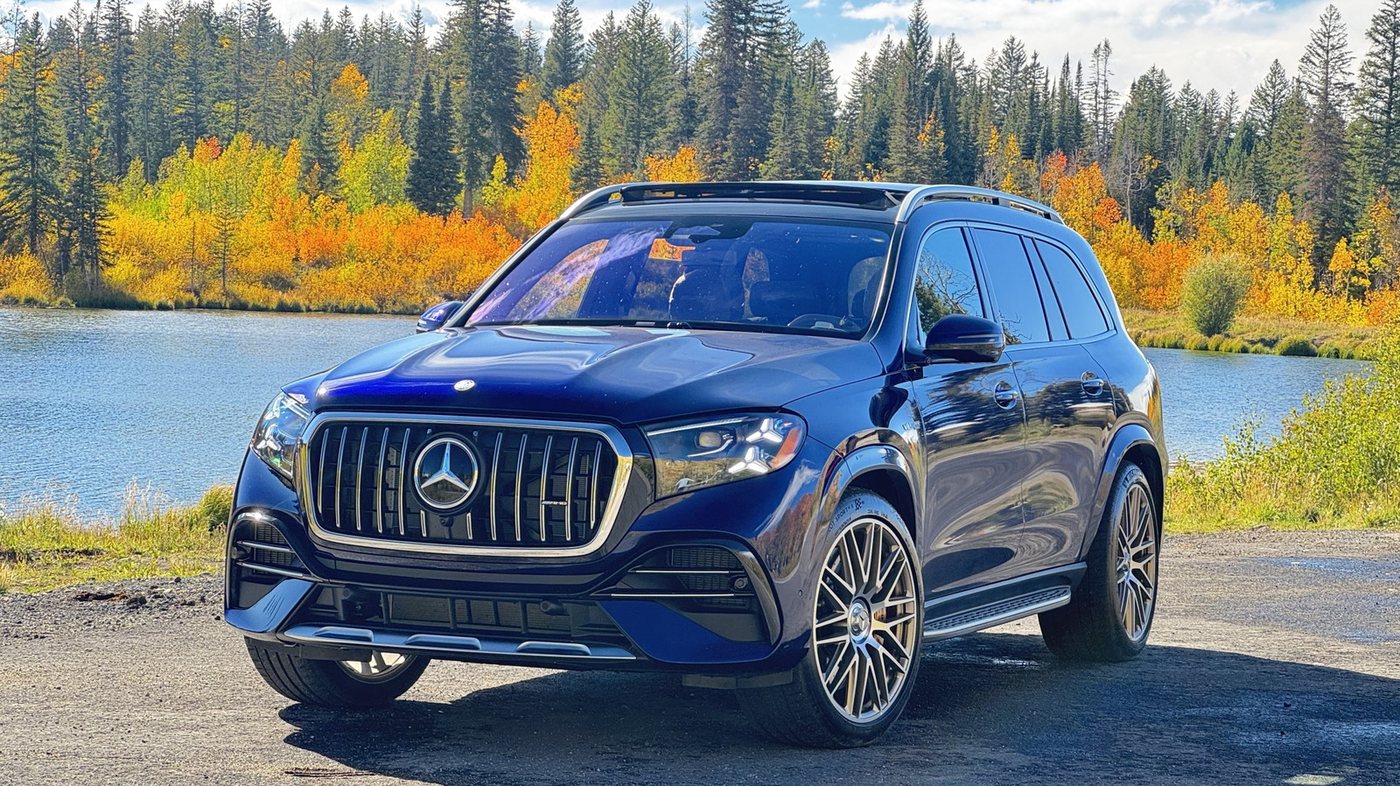
2027 Mercedes-AMG GLS63 Gains Flashier Looks and Sharper Street Presence
Economy 41
German Economists Set Income Threshold for the Upper Class
News 158
EU Loosens 2035 Emissions Targets in Move That Could Keep Petrol Cars Alive
Politics 115
Burnham launches crackdown on loud music on public transport
Sports 282
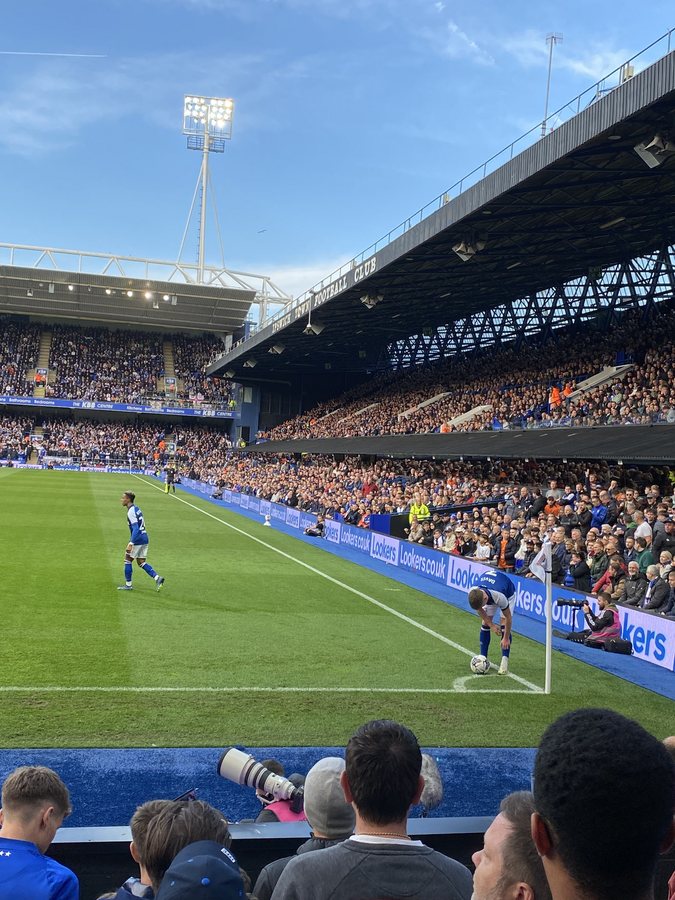
Ipswich Town to host Nottingham Forest in Premier League fixture
Technology 324
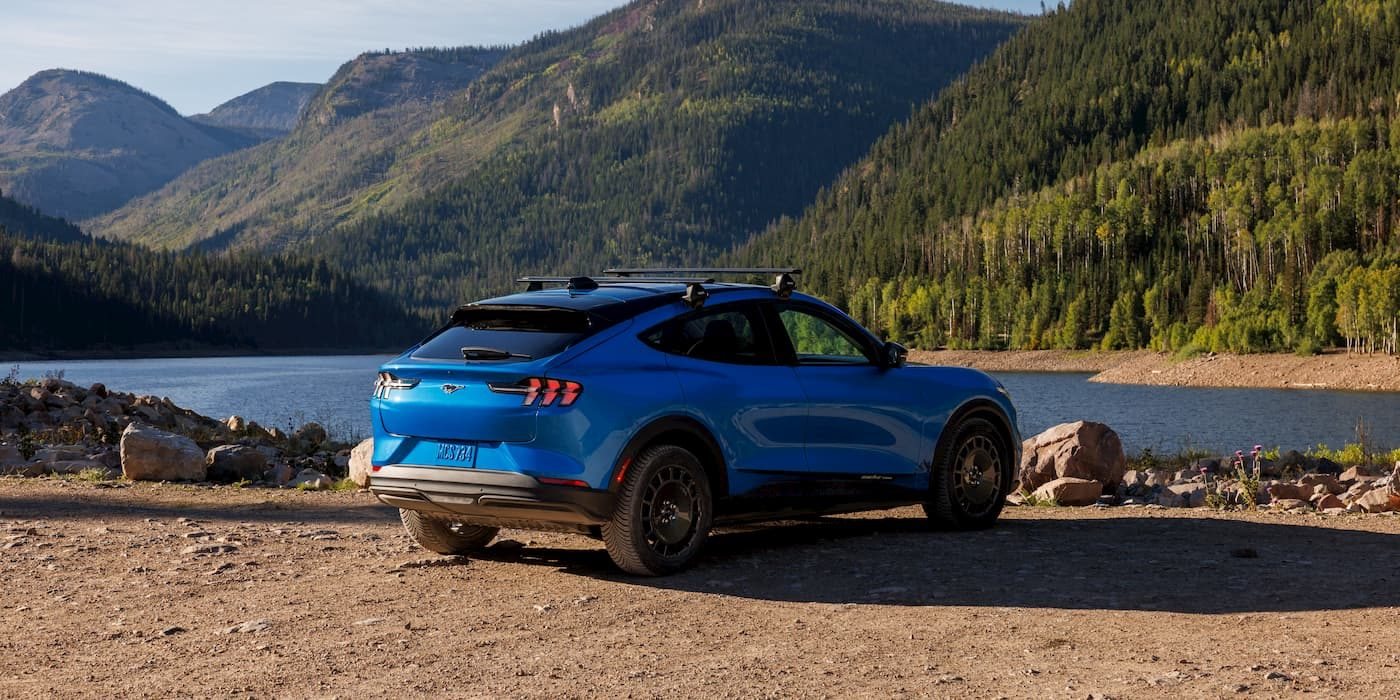
Ford Mustang Mach-E Gets Long-Range Battery as Standard for 2027
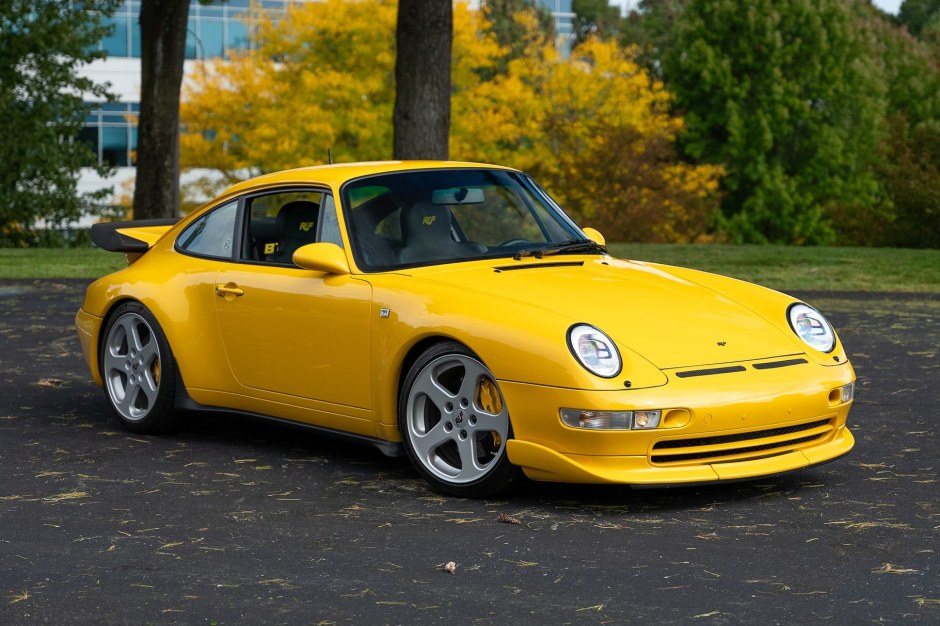
A 1997 RUF BTR2, the first of roughly ten examples built on the Porsche 993 platform, is offered for sale in Waltham, Massachusetts, with a RUF certificate and full history.
By Eleanor Ellington · 4 min read
A 1997 RUF BTR2, the first production example of the model built on a Porsche 993 chassis, is being offered for sale on dealer consignment in Waltham, Massachusetts. The car is one of approximately ten BTR2s manufactured by RUF Automobile GmbH of Pfaffenhausen, Germany, and carries a RUF certificate confirming its status as the earliest 993-based BTR2.
Finished in Speed Yellow, the BTR2 was delivered new to Japan, where it remained until 2015, when it was sold to a UK owner. A California collector bought the car in 2017 and commissioned RUF to convert it to US-market specifications before importation. After three further changes of ownership, the current owner acquired it in 2025. The sale includes a RUF certificate, invoices dating back to the car’s original delivery, a clean Carfax report and a Virginia title.
The BTR2’s 3.6-litre flat-six is based on the naturally aspirated Porsche Carrera engine and was extensively modified by RUF with a KKK turbocharger, an intercooler, an auxiliary oil cooler, revised camshafts, remapped Bosch Motronic engine management and a revised exhaust system. RUF rated output at 420 horsepower at 5,000rpm and 435lb ft of torque at 4,800rpm. Power is sent to the rear wheels through a six-speed manual transaxle with RUF-specific gearing and a limited-slip differential with 60 per cent lockup.
The car’s suspension was tuned by RUF to sit 30mm lower than a standard Carrera, with stiffer anti-roll bars and Bilstein adjustable coilover shock absorbers. Braking is handled by anti-lock discs with cross-drilled and ventilated rotors measuring 320mm at the front and 300mm at the rear, gripped by RUF-branded Speed Yellow calipers. The staggered-width 18-inch RUF alloy wheels, previously refinished in black, were returned to their factory silver shade before the current owner’s purchase and are fitted with Michelin Pilot Sport 4 tyres.
Bodywork includes a tea-tray rear spoiler, a RUF front valance with widened air inlets, dual horizontal nose vents and a chin spoiler with winglets, along with a headlight washing system, aerodynamic side mirrors and RUF badging. The lightweight cabin features carbon-fibre fixed-back bucket seats trimmed in black leather with yellow embroidered RUF headrest logos, black RS-style door panels with yellow pull straps, drilled pedals, air conditioning, power windows and a Porsche Classic radio. A RUF three-spoke steering wheel sits ahead of green-letter VDO instrumentation including a 220mph speedometer and an 8,000rpm tachometer. The odometer shows 26,000 miles, around 87 of which have been added under current ownership.
RUF was granted German manufacturing status in 1981 and introduced the Porsche 930-based BTR in 1983 as the first model to carry a RUF vehicle identification number. The BTR2 followed Porsche’s move to the 993 platform, using Carrera bodies-in-white supplied by the manufacturer, and was introduced two years before Porsche’s own 993 Turbo. A €23,000 service carried out by RUF in 2017 included €12,000 of engine work and the US-market conversion, while the shift rod bushings were replaced in March 2026.
9