
Business 237
Tesla Energy Revenue Falls 16% After Tariff Refunds
In this issue
Business 237
Tesla Energy Revenue Falls 16% After Tariff Refunds
Culture 273
Rare 2011 Porsche 911 GT3 RS with 22,000 miles heads to auction
Economy 41
German Economists Set Income Threshold for the Upper Class
News 158
EU Loosens 2035 Emissions Targets in Move That Could Keep Petrol Cars Alive
Politics 115
Burnham launches crackdown on loud music on public transport
Sports 282
Ipswich Town to host Nottingham Forest in Premier League fixture
Technology 323
Porsche Adds Wireless Inductive Charging to Cayenne Electric
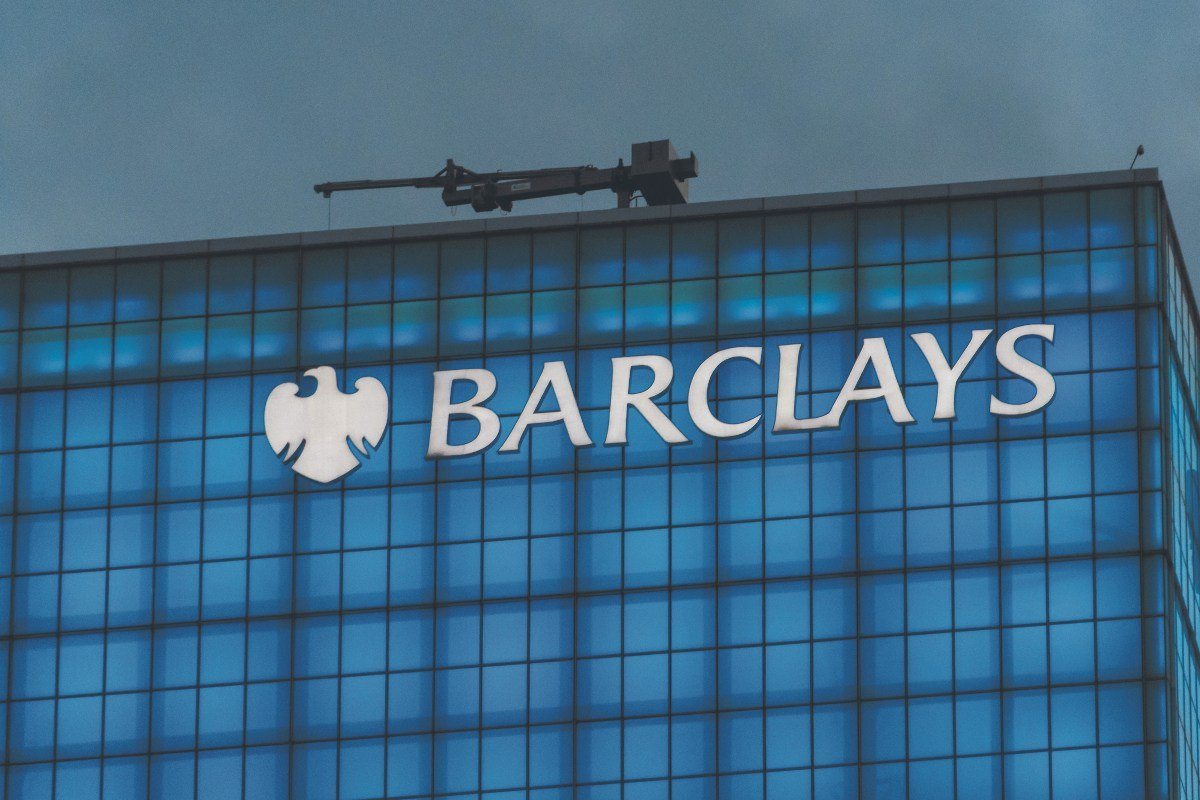
Britain's biggest lenders are expected to set aside £4bn for loan losses in 2027, but analysts warn provisions may fall short as households exhaust savings and turn to credit cards and personal loans to cover living costs.
By Edward Beaumont · 4 min read
Britain's largest banks are preparing for a potential surge in unpaid debts as household cash reserves fall to their lowest level in three years, with analysts warning that provisions for bad loans may prove insufficient as consumers lean on unsecured borrowing to cover everyday costs.
Lenders are expected to set aside a combined £4bn for loan losses in 2027, according to analyst consensus, but that figure risks coming up short as households are squeezed by the cost of living. Lento Tanq, senior analyst at Bloomberg Intelligence, said provisions would likely climb higher as consumers turn to credit cards, personal loans and overdrafts to fund their living expenses.
Tanq said there was a «shortened path» for Britons going from losing a job to falling behind on bills because of «mounting financial pressure». He added: «The acceleration of change suggests households' financial position has been squeezed further over the past year, despite fewer declaring outright financial difficulty.»
The warning comes after a period in which rising bills have weighed heavily on household budgets. Energy costs are expected to rise at their sharpest level in four years in January, with a £276 jump, according to figures from consultancy Cornwall Insight. Some 55 per cent of households can now survive no more than three months after a job loss, a three-year record, according to Bloomberg Intelligence research.
Banks make provisions for bad loans each quarter, reflecting money set aside on their balance sheets to absorb expected future losses when borrowers fail to repay. Tanq said «thinner household buffers could lift unsecured credit losses» at the top banks. «Households are already using credit and savings to absorb living-cost pressure, raising a more immediate warning for unsecured lenders,» he said.
Barclays is tipped to face the most exposure because of its dominance in the credit market and personal-loan books. The bank expanded its UK credit card exposure in the first half of the year to £17.5bn, up from £17.2bn at the end of 2025, while personal loans in the UK grew to £8.9bn from £8.5bn. Barclays declined to comment.
UK lenders have already moved to raise loan provisions following conflict in the Middle East. Barclays set aside £823m for potential loan losses in the first quarter of the year after the US-Iran war broke out. HSBC increased its forecast for loan losses in 2026 to 45 basis points, meaning the bank was bracing for $4.50 of every $1,000 it has lent out to go unpaid, which it attributed to «ongoing uncertainty in the outlook».
While unsecured borrowing shows strain, Tanq said mortgage «loss severity should remain lower, while house-price growth is positive and borrower equity is intact». He added that this would bode well for Lloyds, which holds the largest overall mortgage book in the UK, and Santander UK, whose loan book is skewed towards residential mortgages following its takeover of TSB.
The picture leaves Britain's lenders balancing the need to protect their balance sheets against the risk of appearing to tighten credit too sharply for households already under pressure. For consumers, the warning is a reminder that savings buffers built up in recent years are thinning, and that the cost of servicing unsecured debt may become harder to bear if the jobs market weakens.
12