Business 238
UK banks brace for rise in bad loans as household savings run dry
In this issue
Business 238
UK banks brace for rise in bad loans as household savings run dry
Culture 273
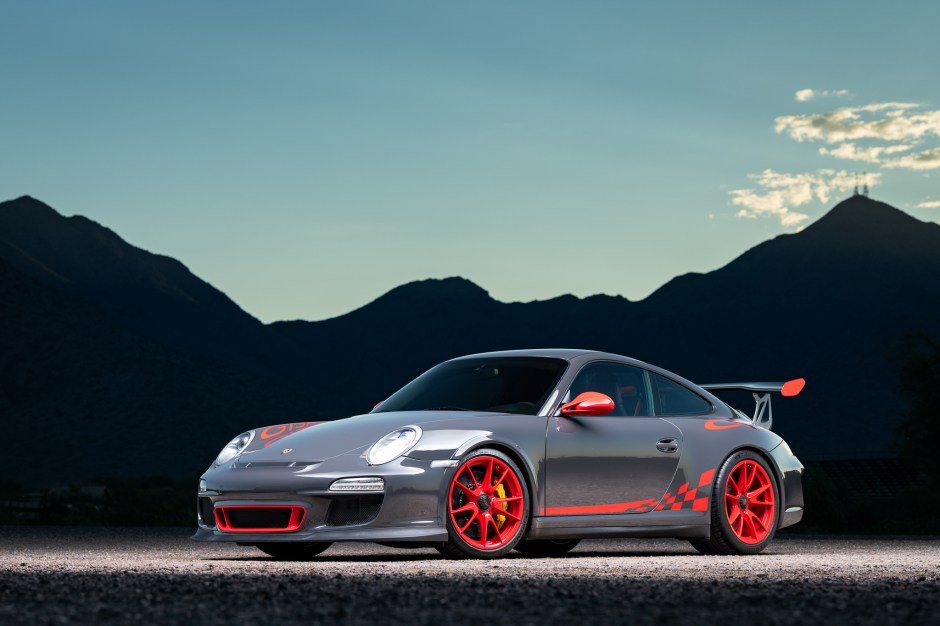
Rare 2011 Porsche 911 GT3 RS with 22,000 miles heads to auction
Economy 41
German Economists Set Income Threshold for the Upper Class
News 158
EU Loosens 2035 Emissions Targets in Move That Could Keep Petrol Cars Alive
Politics 115
Burnham launches crackdown on loud music on public transport
Sports 282
Ipswich Town to host Nottingham Forest in Premier League fixture
Technology 323
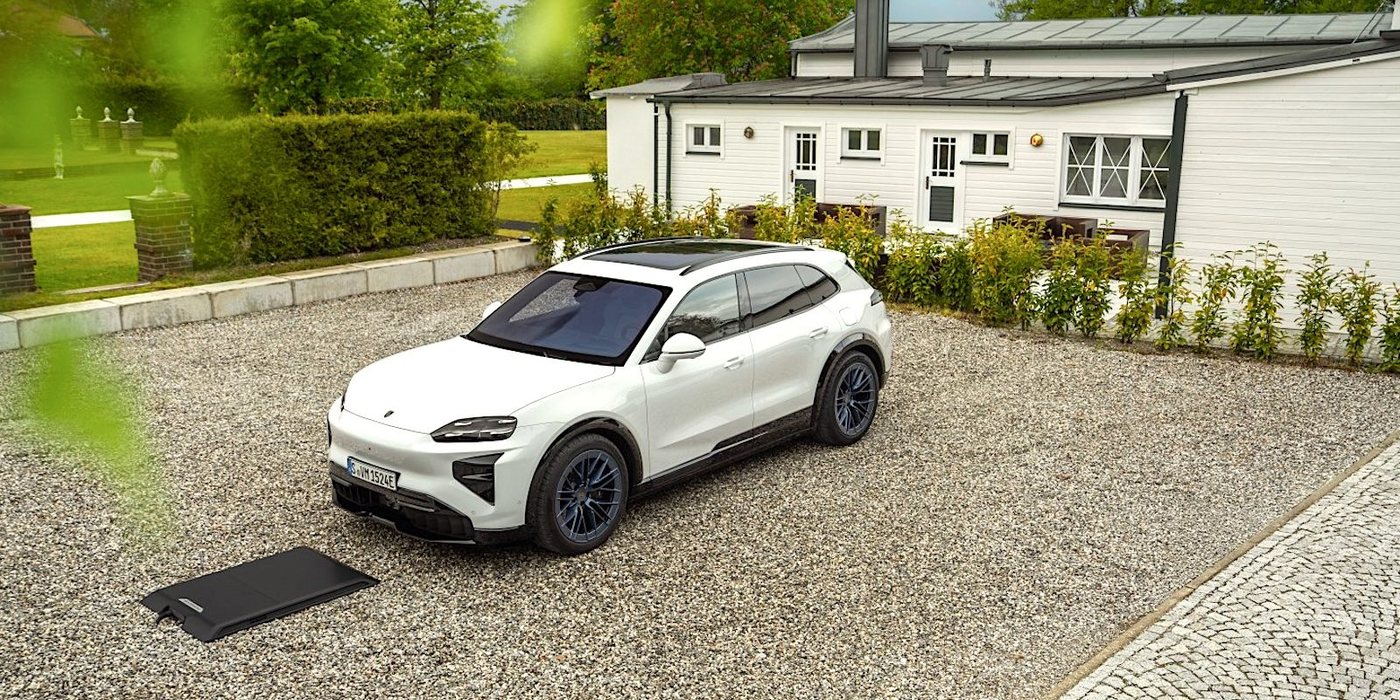
Porsche Adds Wireless Inductive Charging to Cayenne Electric
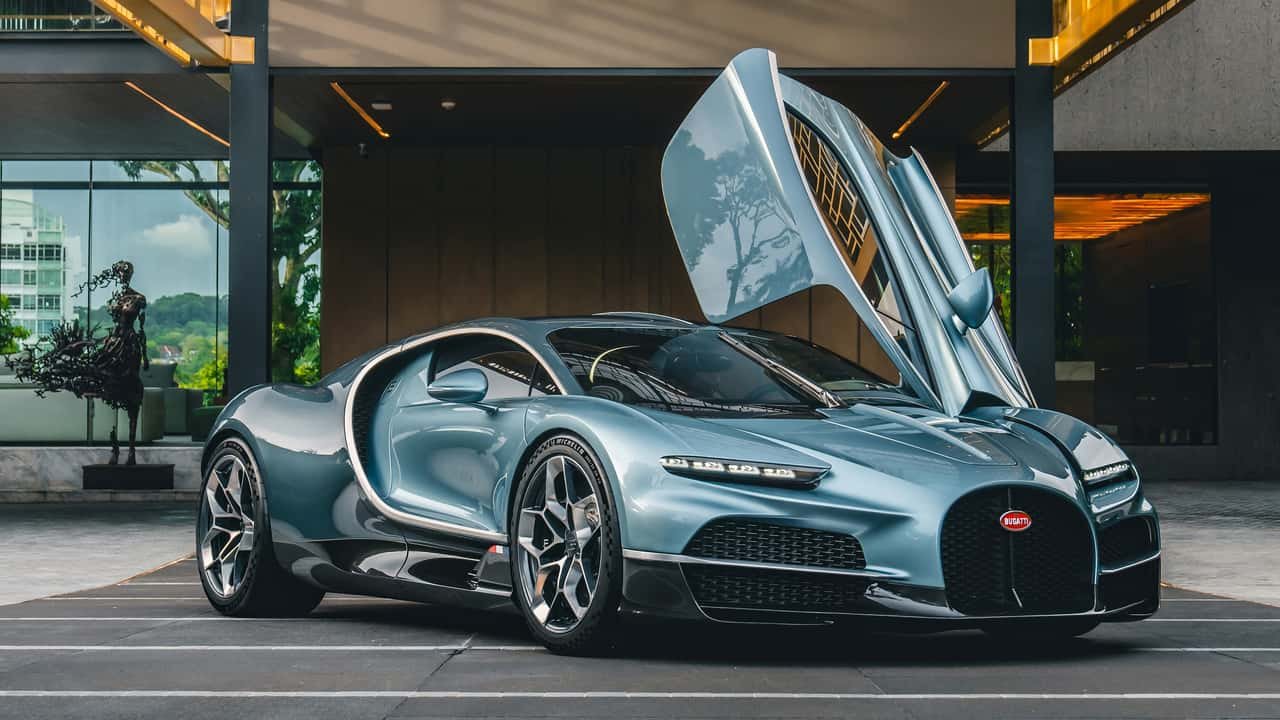
Bugatti's former owner Volkswagen wanted an all-electric successor to the Chiron, but Mate Rimac argued for a V16 hybrid powertrain instead, shaping the Tourbillon.
By George Kensington · 3 min read
Volkswagen, Bugatti's former owner, wanted the successor to the Chiron to be fully electric, but Mate Rimac pushed for a V16 engine instead, according to accounts of the decision that shaped the Bugatti Tourbillon. The disagreement goes to the heart of how the hypercar maker balanced electrification with the engineering heritage that defines the brand.
The Chiron, Bugatti's previous flagship, was powered by a quad-turbocharged W16 engine, a layout that became synonymous with the marque's extreme performance and engineering ambition. When planning its replacement, Volkswagen's leadership envisioned a clean break: an electric hypercar that would signal the group's commitment to zero-emission technology at the very top of the market.
Rimac, the Croatian electric vehicle specialist founded by Mate Rimac, took a different view. Rather than abandon combustion altogether, he argued for a hybrid powertrain built around a naturally aspirated V16 engine, supplemented by electric motors. That configuration ultimately reached production in the Tourbillon, which pairs the V16 with a hybrid system to deliver performance while retaining the mechanical character associated with Bugatti.
The outcome reflects a broader tension in the luxury car industry. Manufacturers are under pressure to electrify their line-ups in response to tightening emissions rules and shifting consumer expectations, yet the most exclusive brands trade on heritage, sound and mechanical drama — qualities that pure electric powertrains struggle to replicate in the eyes of traditional buyers.
Bugatti's ownership history adds context to the decision. The brand was long part of the Volkswagen Group, which acquired it in 1998 and oversaw the development of the Veyron and Chiron. In 2021, control passed to a joint venture between Porsche and Rimac, with Mate Rimac taking a leading role in the company's future direction. That transition gave Rimac considerable influence over the Tourbillon's engineering philosophy.
The Tourbillon, unveiled as the Chiron's successor, is therefore a product of compromise as much as ambition. It retains a combustion engine at its core while incorporating electrification, a formula that differs sharply from the all-electric vision reportedly favoured by Volkswagen. For Bugatti, the choice preserves the sensory appeal that has long justified its prices; for the wider industry, it illustrates how even the most technologically advanced manufacturers are hedging their bets on the road to electrification.
The episode also highlights the growing influence of Rimac in the high-performance sector. Having established itself through electric hypercars, the company now finds itself defending combustion technology at the very top of the market — a position that would have seemed unlikely only a few years ago.
5