
Business 110
Dacia CEO Urges EU to Freeze Small Car Rules to Cut Prices
In this issue
Business 110
Dacia CEO Urges EU to Freeze Small Car Rules to Cut Prices
Culture 88
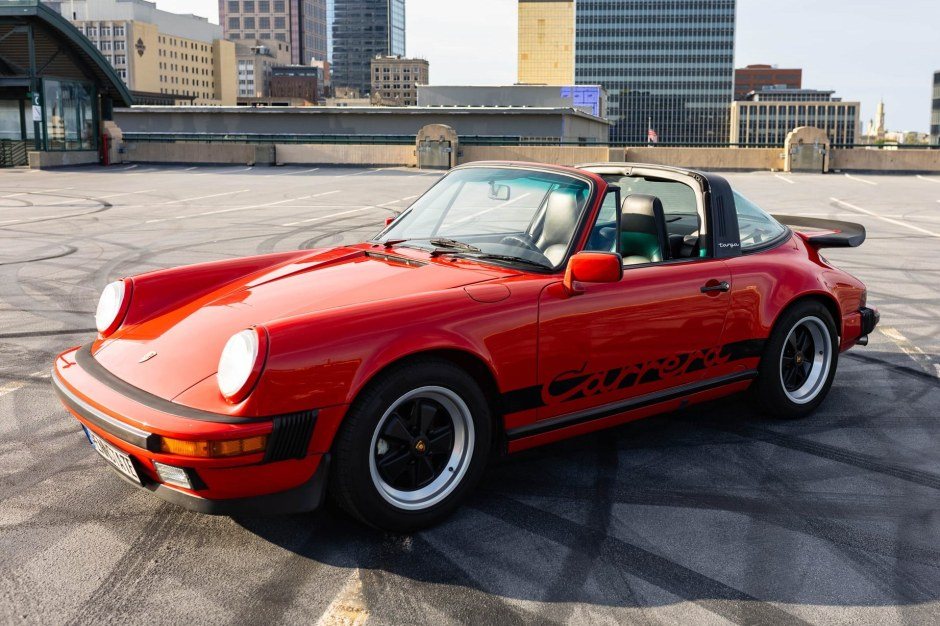
1988 Porsche 911 Carrera Targa G50 with Rebuilt Engine Heads to Auction
Economy 30
HMRC is writing to low earners about pension top-ups averaging about £70
News 124
Aftermarket Trackers Recover 99% of Stolen Cars as Factory Systems Fail
Politics 104
Met police open inquiry into alleged foreign donations to Reform UK
Sports 231
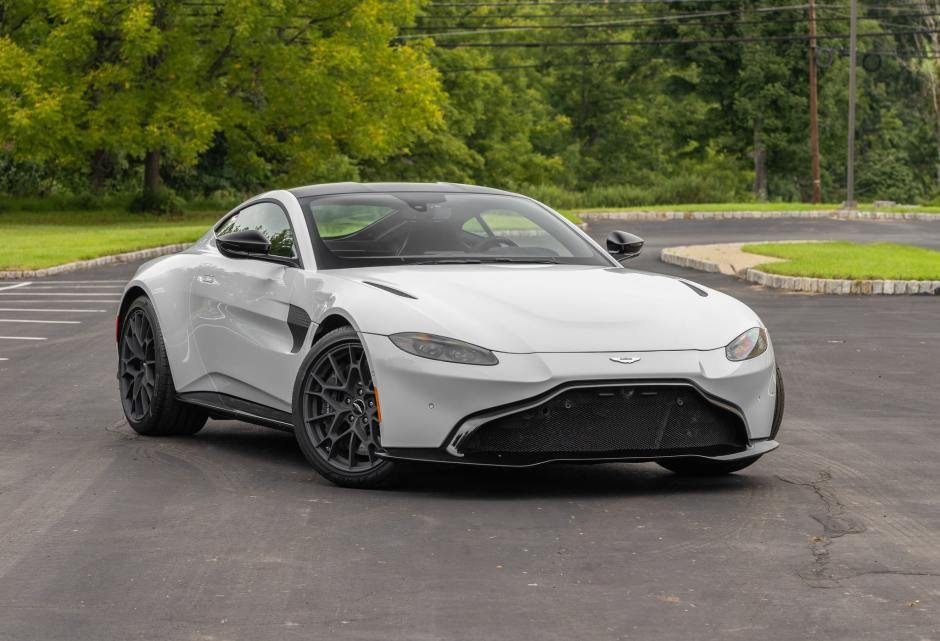
AMG GT Black Series Spied With Radical Aero Ahead of Nürburgring Record Attempt
Technology 116
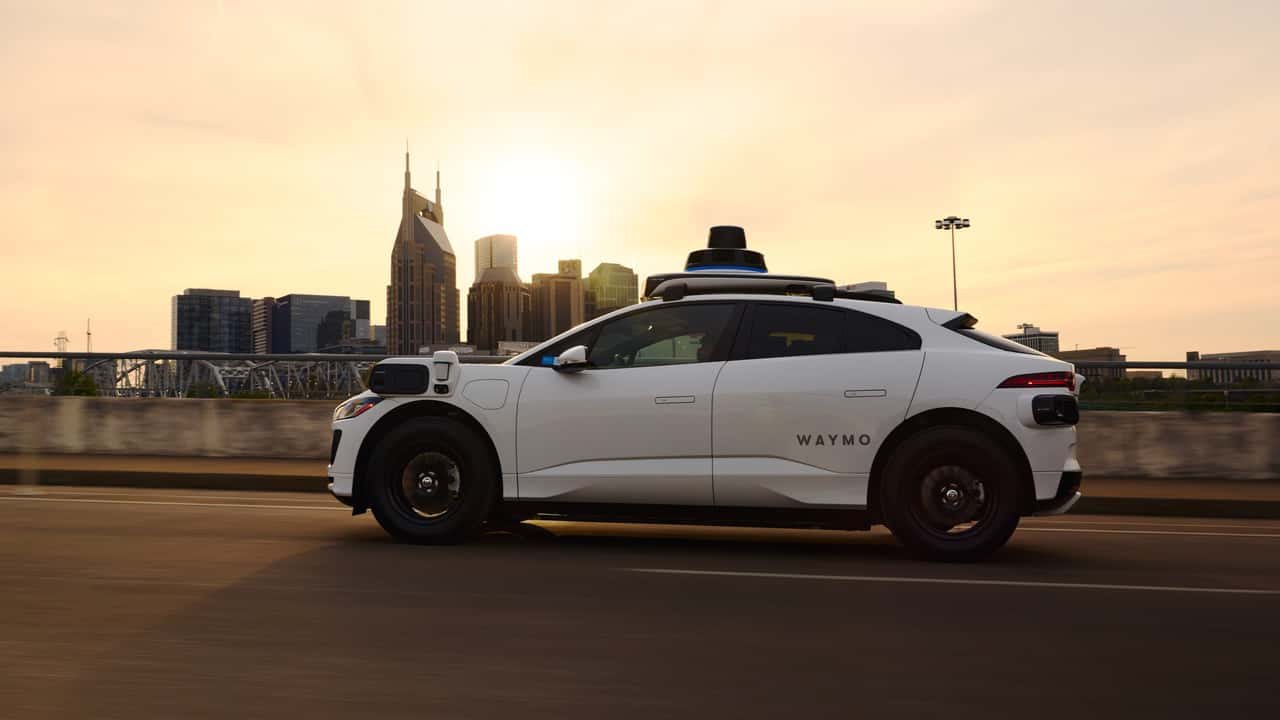
Waymo Expands Driverless Ride-Hailing to Las Vegas
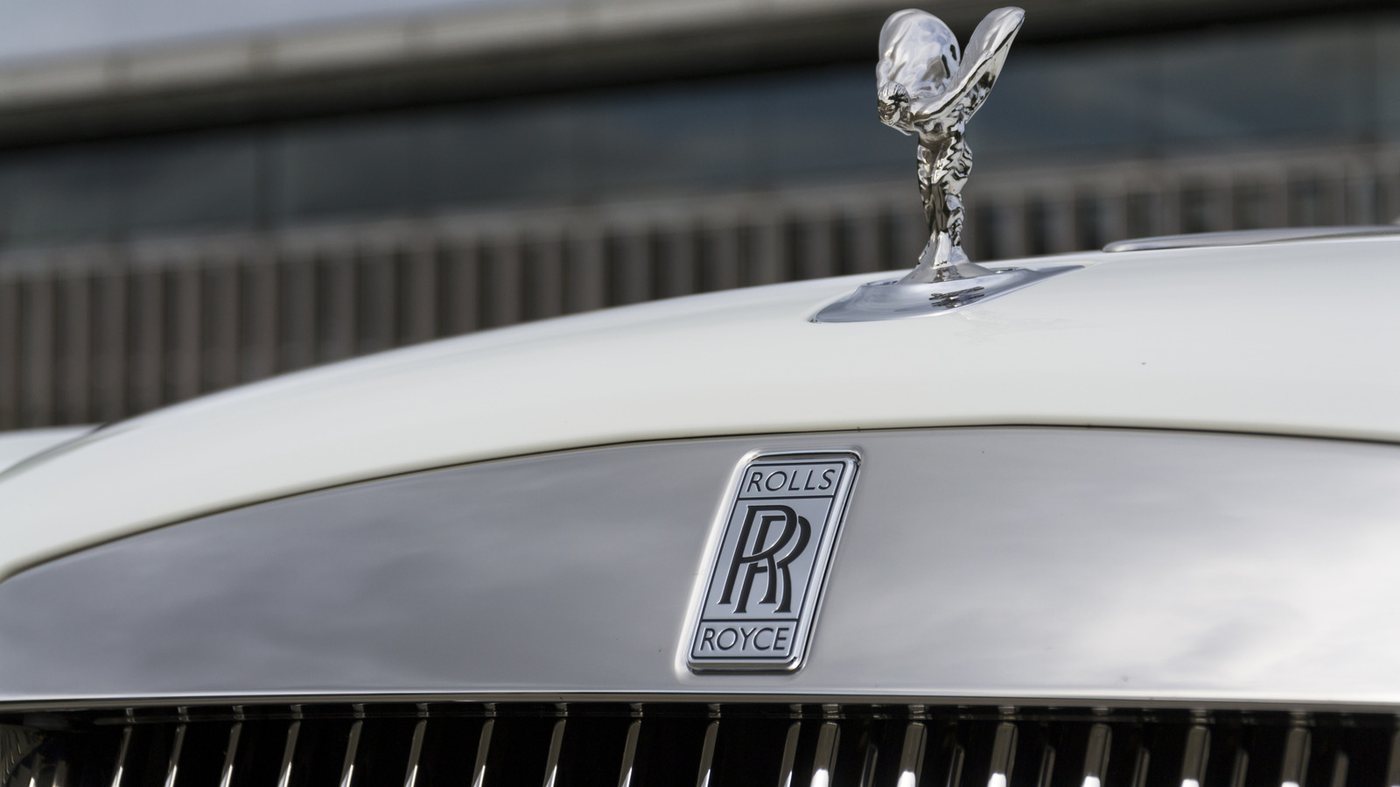
Auction results show that the right combination of age, ownership history, and condition can push Rolls-Royce prices far beyond their already substantial showroom values, with collectors treating the marque as both a cultural artefact and a store of value.
By Edward Beaumont · 5 min read
Rolls-Royce motor cars have never been an inexpensive proposition, but the auction market has repeatedly demonstrated that the right combination of age, ownership history, and condition can send prices soaring far beyond their original showroom figures. Collectors and investors are increasingly treating the marque as a cultural artefact as much as a motor car, and the results at auction reflect that shift.
The defining factor in these record-breaking sales is not simply the badge on the bonnet. Provenance, originality, and rarity carry enormous weight. A Rolls-Royce with a documented history of notable ownership, an unmolested original specification, or a limited production run can command sums that dwarf the value of an equivalent model with a murkier past or a restored finish. Auction houses have learned to present these cars as objects of heritage, and buyers have responded accordingly.
Age plays a central role in this market. Early coachbuilt examples from the pre-war era, when Rolls-Royce chassis were sent to independent coachbuilders for bespoke bodywork, are particularly prized. Each of these cars is effectively unique, and the survival of original coachwork, matching numbers, and period documentation turns them into museum-grade collectibles. The passage of time has removed many such vehicles from circulation, concentrating demand on a shrinking pool of authentic examples.
Ownership history is another powerful driver. Cars previously owned by public figures, royalty, or prominent industrialists attract premiums that can be difficult to predict. For buyers in this segment, the car is not merely a means of transport but a tangible link to a particular era or personality. That emotional and historical dimension frequently outweighs purely mechanical considerations, and auctioneers are adept at framing each lot within a broader narrative of status and cultural memory.
Condition remains the third pillar of value. Concours-quality restoration can enhance a car's appeal, but originality is often more valuable still. Collectors increasingly favour vehicles that retain their factory finishes, interior trim, and mechanical components, even if they show signs of use. A patinated original car with a continuous history is often preferred to a flawless but over-restored example, a preference that has reshaped how restorers and dealers approach older Rolls-Royce models.
The broader market context reinforces these trends. Classic car auctions have become global events, with telephone and online bidders competing against a packed room. That expanded audience has intensified competition for the most desirable lots, and Rolls-Royce, with its long association with craftsmanship, discretion, and engineering excellence, sits at the top of the hierarchy for many collectors. The brand's cultural weight in Britain and abroad gives it a reach that few other marques can match.
For the wider public, these auction results are a reminder that Rolls-Royce occupies a unique position in the automotive world. It is at once a luxury product, a piece of industrial history, and a symbol of a particular kind of British identity. When a single example changes hands for a sum that would buy a substantial property, the transaction says as much about the buyer's values and the car's place in cultural memory as it does about the vehicle itself.
The lesson for anyone considering the market is that Rolls-Royce values are not driven by a single variable. Age, ownership, condition, and rarity interact in ways that can produce extraordinary outcomes at auction. The most expensive examples tend to be those that score highly across all four, and the gap between an ordinary example and an exceptional one can be measured in multiples rather than percentages. That dynamic shows no sign of fading, and the marque's auction record continues to be rewritten as collectors compete for the finest surviving cars.