
Business 120
BYD Plans Three European Assembly Plants and a Battery Factory
In this issue
Business 120
BYD Plans Three European Assembly Plants and a Battery Factory
Culture 126
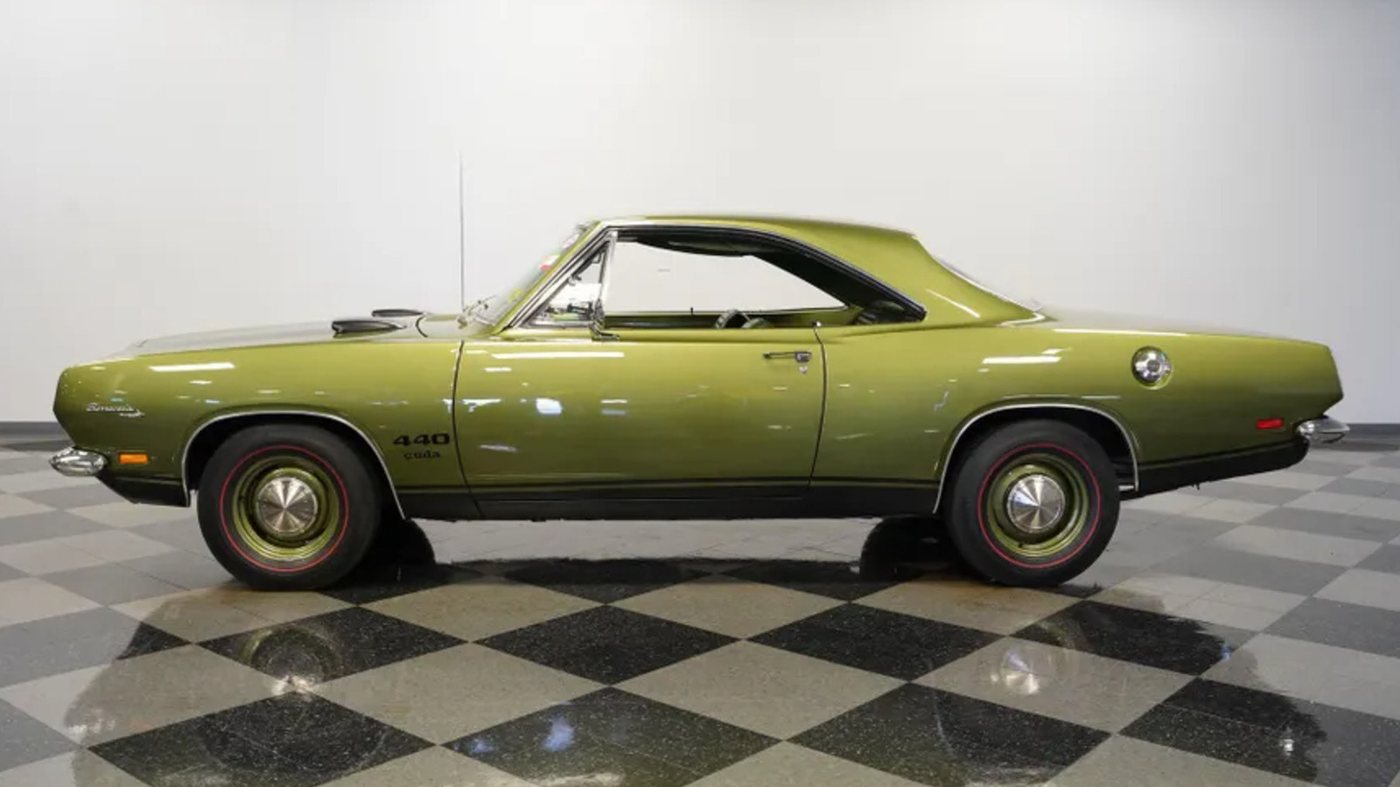
Low-Mileage 1969 Plymouth Barracuda With Factory 440 V8 Heads to Market
Economy 31
Diesel Hits $10 a Gallon in California as Stations Run Dry
News 129
Oil Conflicts Disrupt Global Supply as Electric Cars Remain Unaffected
Politics 105
Reform UK's Welsh Leader Dan Thomas Resigns After Arrest on Suspicion of Assault
Sports 240
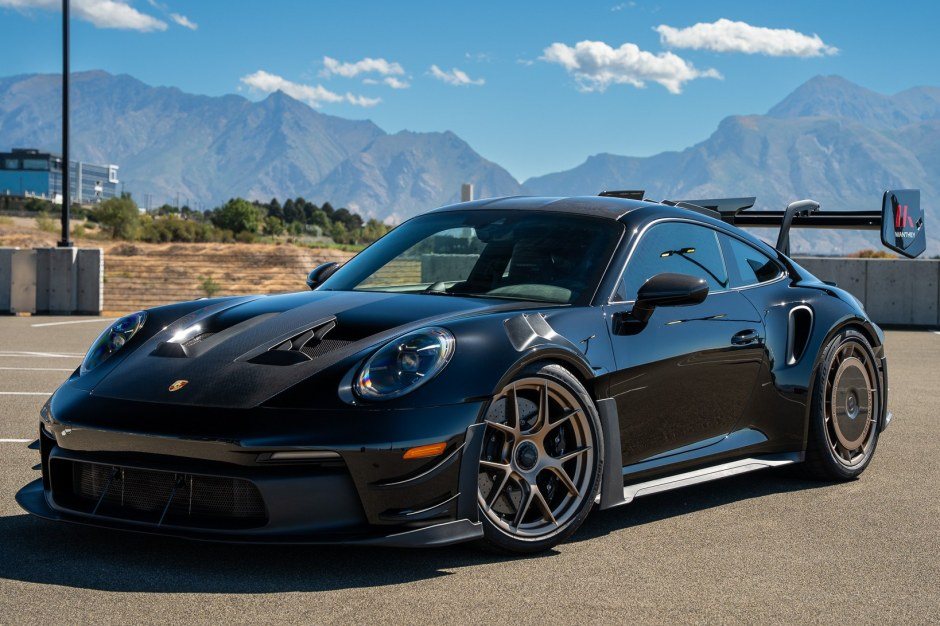
Manthey Racing Porsche 911 GT3 RS Listed for Sale in Utah
Technology 143
Skoda Kodiaq vRS Proves a Capable Long-Distance Cruiser
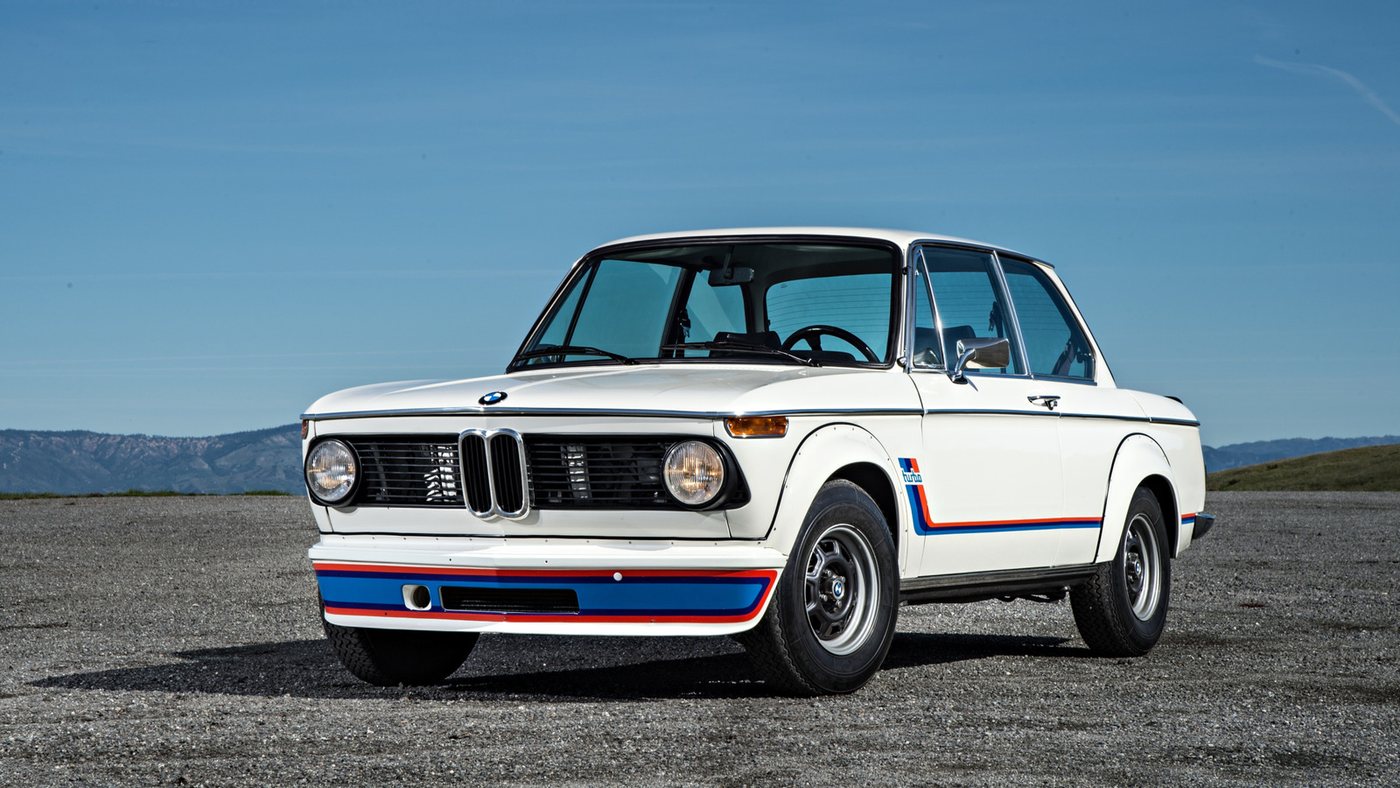
The 1973 oil crisis reshaped the car market so completely that some 1970s sales flops are now prized classics while once-popular models have become nearly worthless.
By George Kensington · 4 min read
The 1973 oil crisis reshaped the global car market so completely that the verdicts of fifty years ago now look almost inverted. Models that sold poorly when new are increasingly prized by collectors, while some of the decade's biggest sellers have faded into near-worthlessness. The shift reflects how thoroughly fuel prices, emissions rules and changing tastes redrew what counts as a desirable car.
When the Yom Kippur War triggered an oil embargo in October 1973, petrol prices in Britain and the United States rose sharply and stayed high. Buyers who had happily chosen large-engined saloons and thirsty sports cars suddenly wanted economy. Manufacturers responded with smaller, lighter and often underpowered machines, and the cars that arrived at the wrong moment on the showroom floor were punished by the market.
That timing explains much of the current paradox. A car that flopped in 1974 because it was expensive, slow or simply misunderstood may now be rare, distinctive and mechanically interesting. Rarity is the collector's friend. Low production numbers mean fewer survivors, and scarcity pushes prices up even when the original car was not especially good. Conversely, a model that sold in huge numbers because it was cheap and practical is now common, unremarkable and cheap to buy second-hand.
The pattern is visible across the decade. Several European and American models that dealers struggled to shift are now the subject of enthusiast clubs, rising auction values and careful restoration. Meanwhile, mass-market family cars that once filled suburban driveways are more likely to be scrapped than saved. Their very success in the 1970s has made them ordinary today.
Condition and originality matter enormously in this market. A low-mileage survivor of a slow-selling model can command a premium, while a high-mileage example of a former bestseller may struggle to attract any bid at all. Buyers are also increasingly interested in the stories behind the cars, including the engineering compromises forced by the fuel crisis and the safety and emissions regulations that arrived alongside it.
The same logic applies to more recent performance cars. Limited-run models built at the end of a generation tend to hold value far better than their standard siblings. A case in point is the BMW M5 CS, of which only 1,132 were built worldwide. The United States took 454 of them, Germany 200 and the United Kingdom 49. Frozen Deep Green accounted for more than half of all production, with the two grey finishes splitting most of the remainder.
That scarcity has translated directly into money. The M5 CS listed at around $142,000 when new, and one example sold for $210,500 in August 2022. Values have since eased without collapsing, with the average tracked sale at $154,476 and the lowest recorded sale at $105,000 in June 2025. A standard 2022 M5, by contrast, was valued at about $60,507 in trade-in terms in June, roughly 75 per cent less than the CS.
The lesson for anyone browsing classifieds is that popularity at launch is a poor guide to value decades later. The 1970s proved that a car can be loved by the many and forgotten by history, or ignored by the many and cherished by the few. Fuel crises, fashion and regulation decide which is which, and they rarely announce their verdict in advance.