
Business 139
Stellantis Adds Flatbed Opel Vivaro with New 148hp Turbodiesel
In this issue
Business 139
Stellantis Adds Flatbed Opel Vivaro with New 148hp Turbodiesel
Culture 150
Max Mara champions understated elegance at Milan Fashion Week
Economy 32
Bitcoin and Ethereum Surge to Levels Last Seen in January
News 131
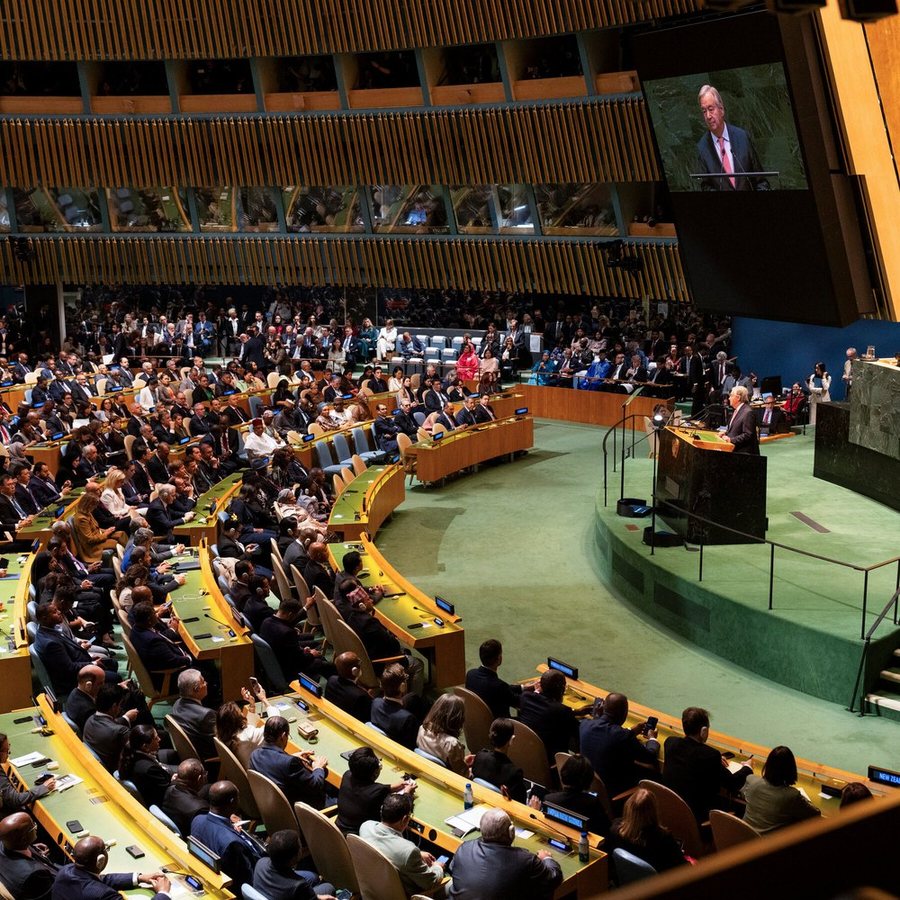
Trump Tells UN Iran Faces Choice Between Deal and Annihilation
Politics 107
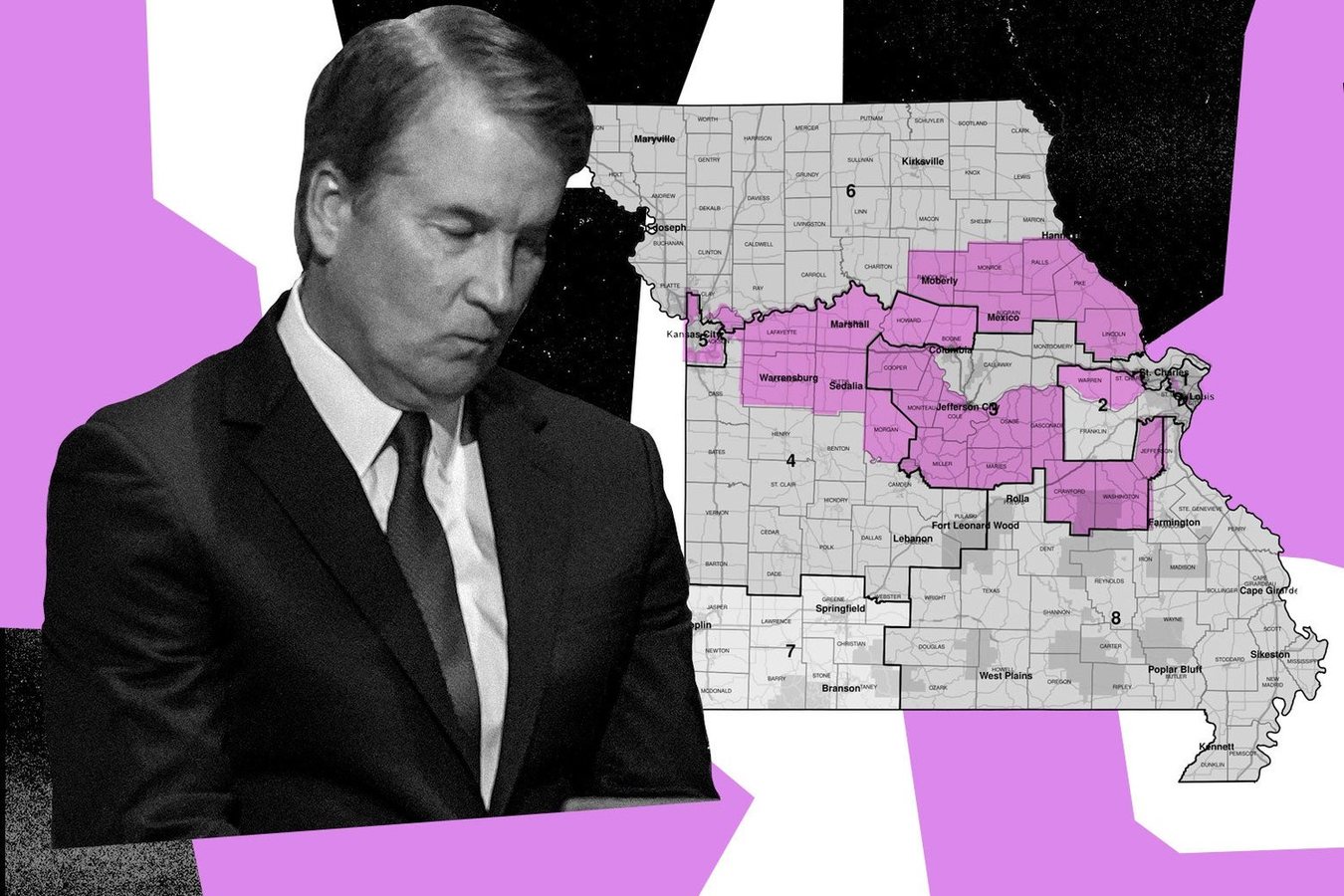
Republican Judges Defy Supreme Court in Missouri Redistricting Fight
Sports 245
MINI to Debut New Adventure SUV at Rebelle Rally
Technology 163
Chevrolet Builds Two Corvette Generations at Once for the First Time
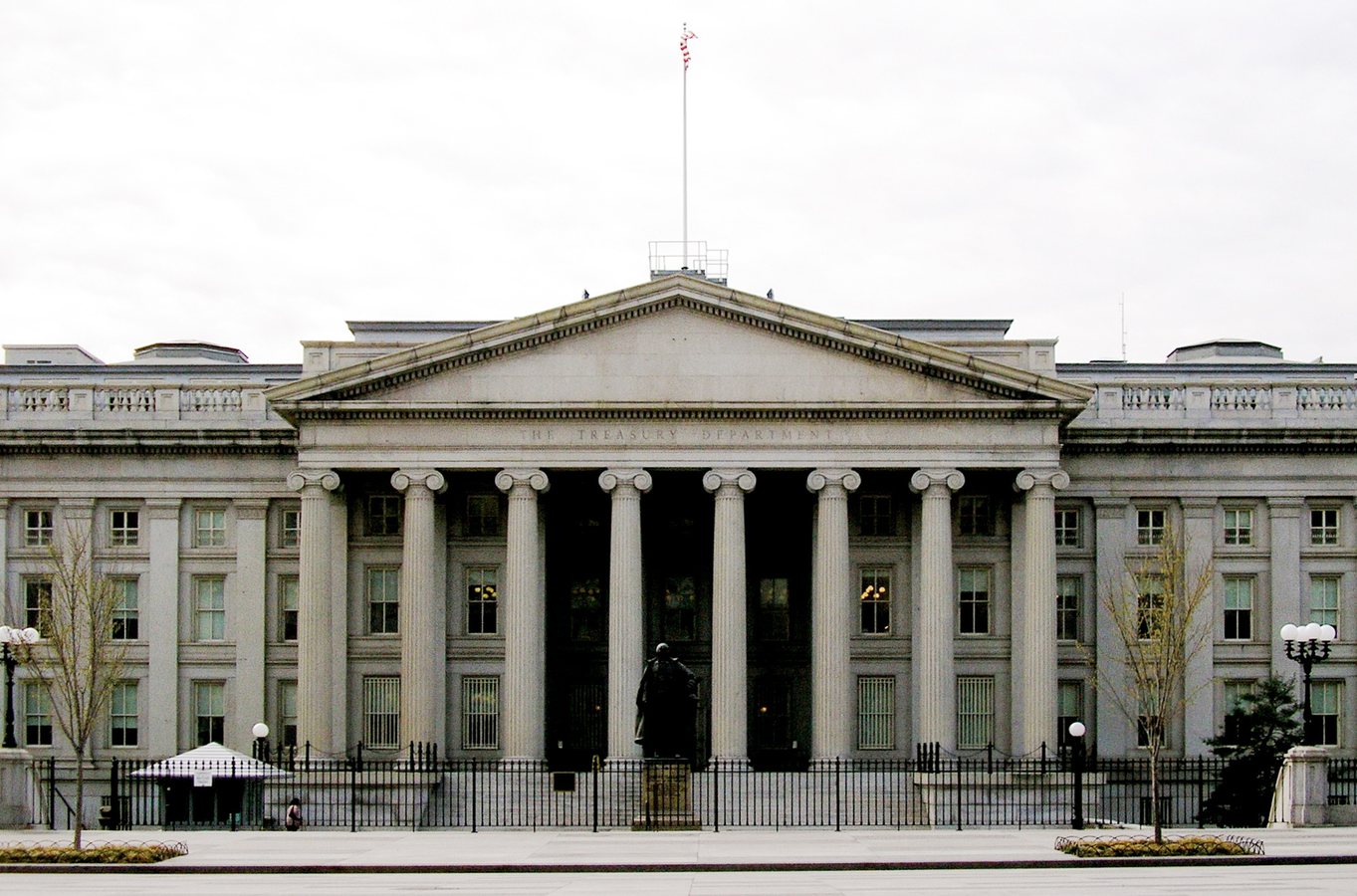
Andrew Jackson’s 1835 zero makes a memorable story, but today’s leadership test is whether Washington can control deficits and interest costs without pretending a modern sovereign balance sheet is a household loan.
By Edward Beaumont · 4 min read
Leadership stories like clean endings. Andrew Jackson offers one of the neatest in American fiscal history: he took office with federal debt above $58 million and, by 1835, the national debt was gone. Treasury still describes that achievement as the first and only complete elimination of U.S. national debt.
The modern picture could hardly be more different. The latest available Joint Economic Committee daily monitor shows gross national debt of $39.588 trillion on July 20, 2026. A widely shared claim says the United States has already officially crossed $40 trillion, but that is ahead of the latest congressional daily figure. The committee’s July estimate placed the crossing around October if the recent average pace continued.
A leader looking at the debt today cannot treat $39.588 trillion as a single invoice. About $31.818 trillion was debt held by the public; about $7.771 trillion was intragovernmental. Treasury securities mature across many dates and are continually refinanced through regular auctions. The system is designed around managing a debt portfolio, not arranging one heroic final payment.
The leadership problem lies in what happens to that portfolio over time. CBO expects the fiscal deficit to be $1.9 trillion in 2026 and $3.1 trillion in 2036. Publicly held debt rises from 101% of GDP to 120% over the decade under current law. In the long-term projection, it reaches 175% of GDP by 2056.
That is why GAO describes the fiscal path as unsustainable. In fiscal 2025, net interest spending exceeded federal spending on national defence. Every dollar committed to interest is a dollar that cannot be allocated elsewhere without additional taxes, spending cuts or borrowing. The average interest rate on marketable national debt stood at 3.411% in June 2026, adding urgency as older debt is refinanced.
Jackson’s answer was radical simplicity: eliminate the debt. But the United States of the 1830s did not operate the world’s benchmark sovereign bond market. Treasury securities today underpin collateral, reserves and pricing throughout global finance. A modern policymaker has to balance market stability, fiscal resilience, taxation, public services and economic growth rather than chase a historical tableau.
It is equally simplistic to say economists believe the debt can never return to zero. CBO explicitly treats its projections as uncertain and conditioned on law and policy. In 2000, Treasury officials discussed a scenario in which publicly held debt might be paid down completely under a sustained surplus. That scenario vanished as circumstances and policy changed.
The more useful standard of leadership is therefore not whether a president can reproduce Jackson’s one-off achievement. It is whether elected officials can make credible choices before the arithmetic makes those choices for them. Reducing persistent deficits, containing interest growth and stabilising debt relative to the economy are less theatrical than announcing zero debt, but they are the measures that determine room for action in the future.
The $40 trillion threshold will provide a striking headline when the official data reach it. The deeper question is whether Washington treats the milestone as another number to argue about or as a reason to build a durable fiscal strategy.
61