Business 117
UK Truckers Win Right to Work 16-Hour Days
In this issue
Business 117
UK Truckers Win Right to Work 16-Hour Days
Culture 105
Low-Mileage 2018 BMW M3 Competition with Individual Paint Heads to Auction
Economy 29
HMRC is writing to low earners about pension top-ups averaging about £70
News 126
Newsom Signs Jay Leno's Law Easing Smog Checks for Classic Cars
Politics 105
Reform UK's Welsh Leader Dan Thomas Resigns After Arrest on Suspicion of Assault
Sports 237
Cardiff City to Host Charlton Athletic in September 2026 Clash
Technology 132
GWM Unveils Tank 300 Hooke Trail with Live Axle for Extreme Off-Roading
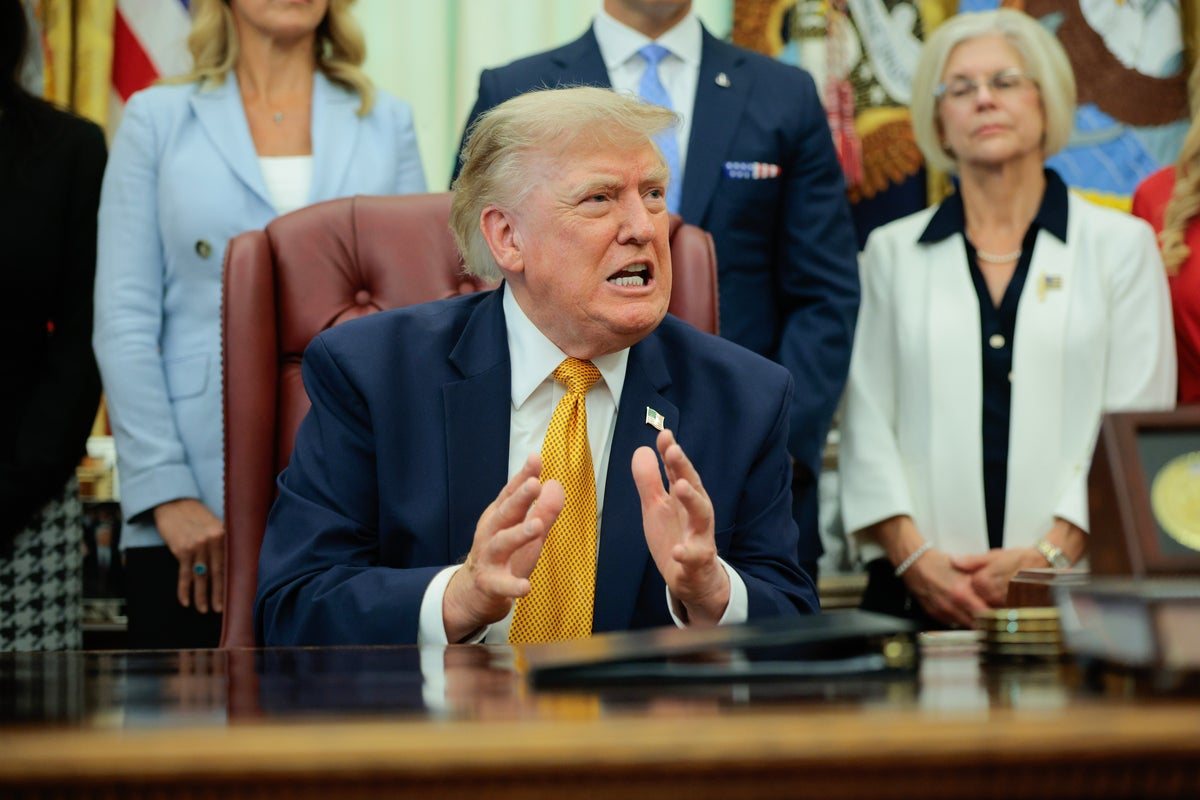
US President Donald Trump has renewed his call for oil companies to lower fuel prices, singling out Chevron’s chief executive and accusing major producers of making excessive profits.
By Charlotte Redford · 4 min read
President Donald Trump has renewed his call for oil companies to cut fuel prices, turning his latest remarks into a direct attack on the chief executive of Chevron and accusing large producers of making excessive profits.
The president’s intervention places the American oil industry back under a familiar political spotlight. Fuel costs directly affect household budgets and business expenses, and periods of high prices have historically forced administrations to respond, either through public pressure on companies or through policy measures designed to increase supply.
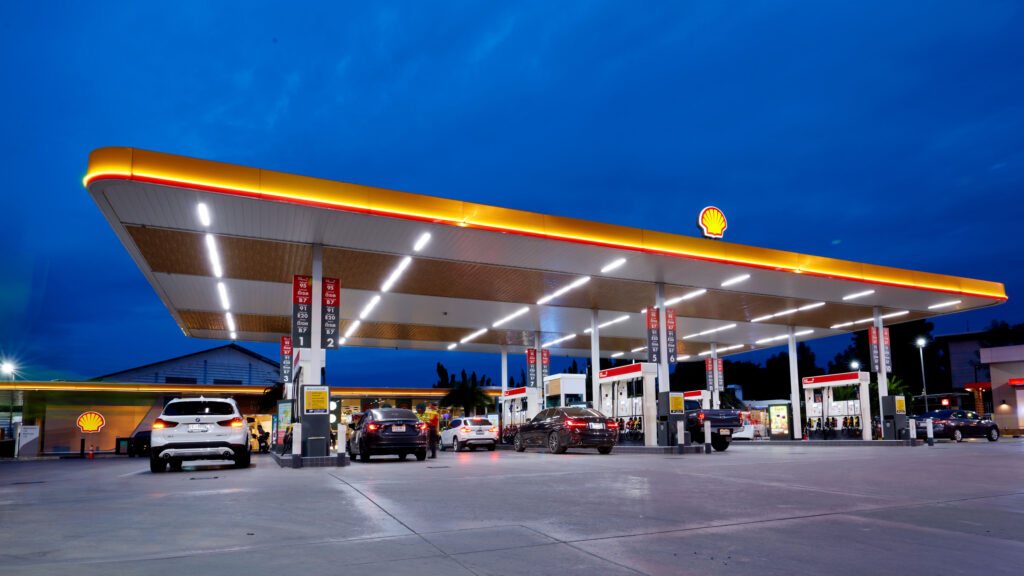
Mr Trump’s criticism of Chevron’s boss singled out one of the biggest players in the United States energy sector. Chevron is a major producer of oil and gas, a large refiner and a prominent supplier to petrol stations across the country. In targeting its leadership, the president underscored a broader complaint that the industry as a whole is profiting too heavily.
Oil companies have long resisted such criticism, arguing that the price of petrol is not set by any single firm. They point to global crude prices, refinery capacity, taxes, delivery costs and regional competition as the main factors that determine what consumers pay at the pump. In the past, executives have said that sustained high profits during periods of high prices reflect market conditions rather than deliberate decisions to keep prices elevated.
A central difficulty for politicians is that petrol prices are only partly within the government’s control. The White House can influence energy policy, approve drilling projects, adjust environmental rules, release crude from strategic reserves and encourage domestic production, but it cannot order companies to lower prices. This gap between public expectations and legal reality often turns fuel prices into a politically charged issue during election seasons and periods of economic strain.
The latest complaints also highlight the divided reputation of American energy companies. They create jobs and supply products that keep the economy running, but they also attract scrutiny when their quarterly earnings grow sharply at a time when consumers are struggling with the rising cost of living. That combination has made them a recurring target for politicians of both parties whenever fuel prices climb.
Mr Trump’s renewed pressure may add to the climate of uncertainty facing energy executives as they decide how much to invest in new extraction and refining capacity. Public criticism from the White House can shape the political environment in which those companies operate, even if it does not directly set the price of crude oil or the price of petrol.
The broader energy market remains subject to forces that no single administration can control. Global demand, production decisions by major exporters, geopolitical developments and refinery outages all influence supply and therefore the final price seen by consumers. While presidential pressure can capture attention and signal economic priorities, the extent to which it changes behaviour in the oil sector is likely to remain a matter of debate.