
Business 193
Jaguar Type 01 Debuts as Brand Bets on Electric Luxury
In this issue
Business 193
Jaguar Type 01 Debuts as Brand Bets on Electric Luxury
Culture 213
2008 Porsche 911 GT3 RS with 8k Miles Heads to Auction at No Reserve
Economy 37
Russia's EV Share Overtakes US as Fuel Shortages Bite
News 147
Texas Insurance Fraudster Sentenced to 13 Years and Ordered to Forfeit 90-Car Col…
Politics 110
Trump Urges Republicans to Vote by Mail After Years of Criticising the Practice
Sports 261
Mustang Sets Stick-Shift Record Then Crashes at 228 MPH
Technology 241
Florida Police Move Flock Cameras Off State Roads to Keep Watching Highways
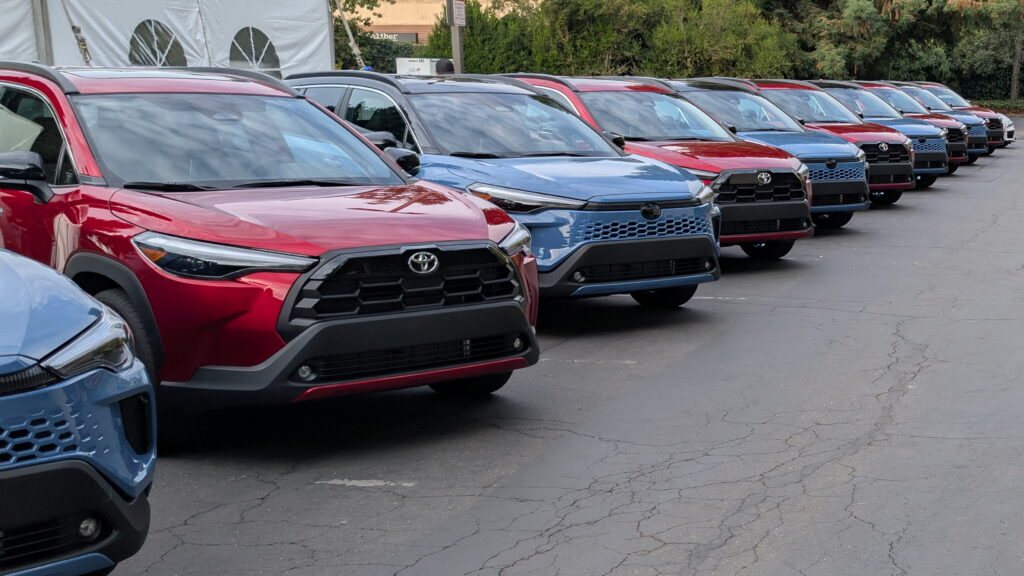
California's Combating Auto Retail Scams Act took effect on 1 October, giving buyers of used vehicles priced at $50,000 or less an automatic three-day right to cancel, though dealers may charge up to $750 in restocking and mileage fees.
By Edward Beaumont · 4 min read
California has introduced a statutory three-day return right for used-car buyers, a measure that its supporters describe as the strongest consumer protection of its kind in the United States. The Combating Auto Retail Scams Act took effect on 1 October and applies automatically to qualifying used vehicles priced at $50,000 or less, whether purchased or leased through a licensed dealer.
The rule removes the previous requirement for buyers to pay in advance for a separate cancellation option. The three-calendar-day clock begins the day after the contract is signed, and weekends count towards the deadline. If a dealership is closed on the final day, the deadline shifts to its next open day.
Returning a car is not free, however. Dealers may charge a restocking fee of 1.5 per cent of the sale price, subject to a $200 minimum and a $600 maximum. If the vehicle has been driven more than 250 miles, the dealer can add $1 per mile beyond that point, up to a further $150. A buyer who returns a $40,000 car after 400 miles could therefore face a total charge of $750.
Several conditions must be met. The vehicle must be taken back to the selling dealer during business hours and must not have covered more than 400 miles. It must be in essentially the same condition as when it was delivered, although reasonable wear and mechanical problems that appear after delivery and were not caused by the buyer do not invalidate the return. New cars, private-party sales, motorcycles and qualifying auction sales are excluded from the scheme.
The legislation also addresses trade-ins. Dealers are generally required to return a customer's traded-in vehicle. If it has already been sold or its title transfer has begun, the dealer must pay the greater of the agreed trade-in value, the sale price or the fair market value, minus any outstanding loan. Once a valid cancellation is made, dealers generally have 48 hours to unwind the contract and issue a refund, although payment verification can extend that deadline.
Beyond returns, the law imposes clearer total pricing and restricts unwanted or worthless add-ons. California estimates that the pricing provisions alone could save buyers $234 million annually. The state's Department of Motor Vehicles has published guidance explaining how the cancellation right operates in practice.
The measure was signed into law last year and has now come into force. Rohit Chopra, the consumer finance advocate who welcomed its arrival, said Californians would enjoy the strongest car-buying protections in the nation and that the rules were intended to eradicate junk fees and bait-and-switch tactics that cost families significant sums.
For dealers, the change represents a substantial compliance shift. Trade bodies and consultants have warned that the pricing provisions alter how vehicles are advertised, how dealer addendums are priced, how rebates are presented and how monthly payments are quoted to customers. Dealers have been urged to review their sales processes before the rules bed in.
For individual buyers, the return window offers something simpler: a way out of a purchase that looked better on the lot than it did on the drive home. The used-car market has long required buyers to research for weeks before committing, only to discover a troubling fault afterwards. California's new right does not make the process free, but it does make it reversible within strict limits.
13