Business 148
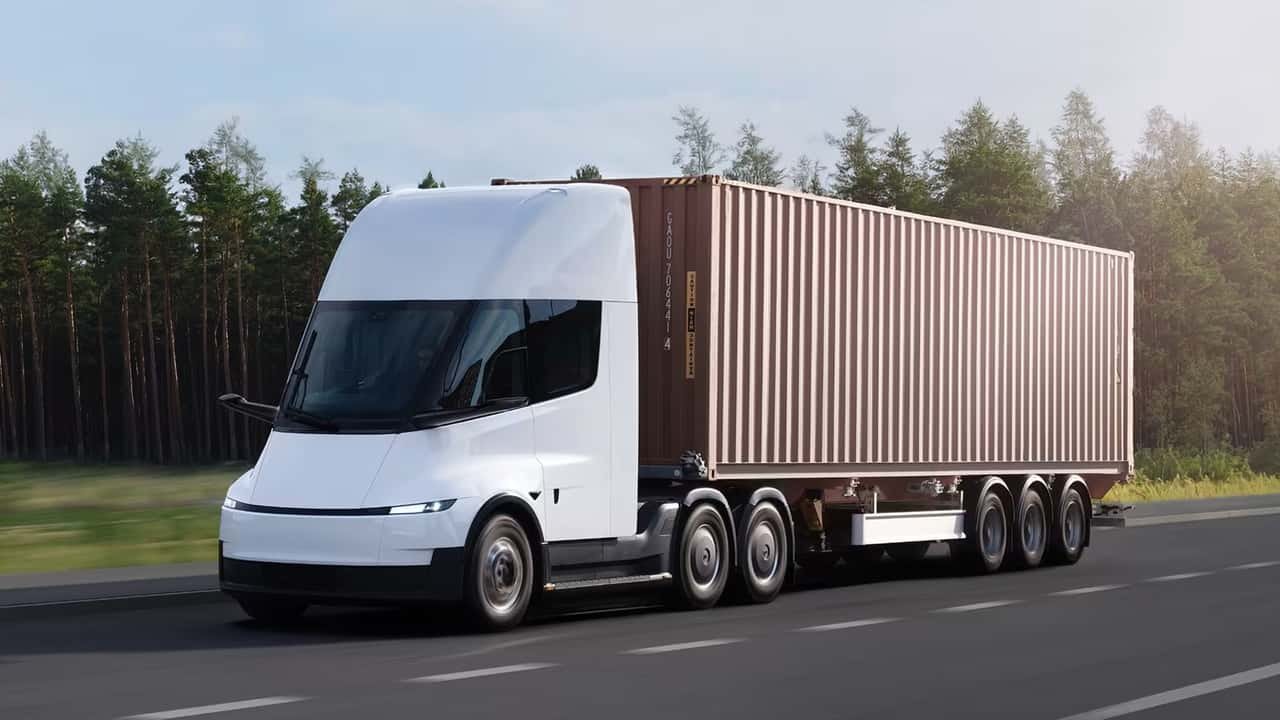
Tesla begins volume production of Semi electric truck at Nevada plant
In this issue
Business 148
Tesla begins volume production of Semi electric truck at Nevada plant
Culture 153
2021 Toyota Land Cruiser Heritage Edition Heads to Auction
Economy 33
Bitcoin and Ethereum Surge to Levels Last Seen in January
News 131
Sarandon and Einbinder arrested at anti-Netanyahu protest in New York
Politics 108
US Lawmakers Move to Permanently Ban Chinese Cars
Sports 246
Alonso Buys Most Expensive Bugatti Veyron Ever Built
Technology 171
LexisNexis and IMS Bring Driving Scores to Insurer Apps Without Dongles
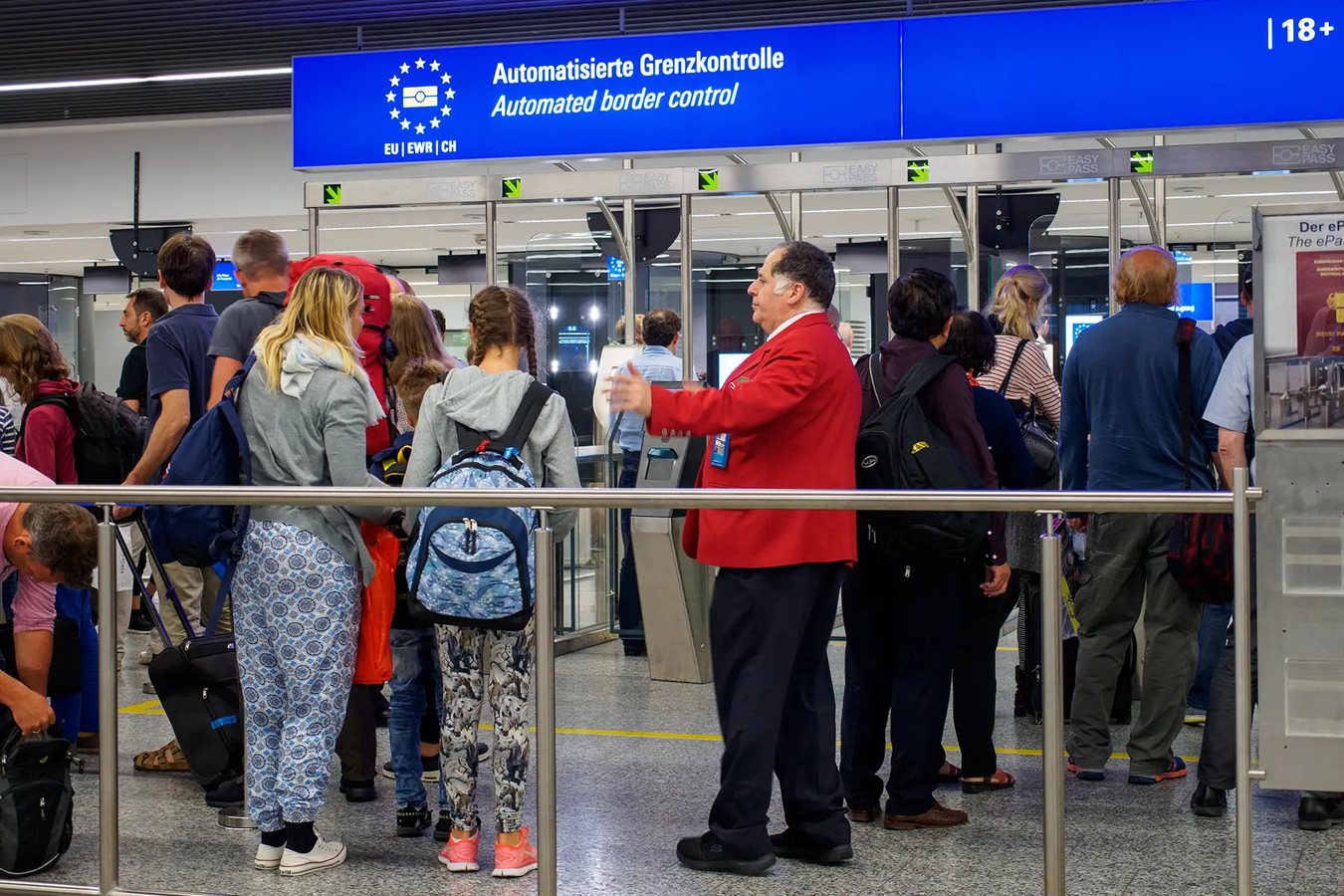
British travelers face biometric enrollment on short trips to participating European countries, while peak passport-control waits have reached two hours at Frankfurt and Amsterdam.
By Charlotte Redford · 4 min read
A European city break now has a new first-trip ritual for many British travelers: the biometric border enrollment. Since the Entry/Exit System became fully operational in April, non-EU visitors making short stays have been recorded digitally instead of receiving passport stamps. The change sounds procedural, but its first full summer has shown how quickly one extra step can reshape the airport experience.
According to Qsensor data reported by the Financial Times, Frankfurt’s maximum passport-control wait in July reached 120 minutes, compared with 60 minutes a year earlier. Amsterdam’s peak rose from 80 to 120 minutes, while Munich’s increased from 31 to 60. These are worst-period figures rather than the average wait, but they are precisely the numbers that matter when a traveler has a tight connection, a train reservation or a meeting on the other side of arrivals.
For most UK passport holders on a short visit, EES applies even though no short-stay visa is required. The first time a traveler crosses an EES external border, authorities create a digital record containing passport details and personal data, plus a facial image and four fingerprints for visa-exempt visitors. People who hold qualifying residence documents, including some beneficiaries of the Withdrawal Agreement, can be exempt.
The second trip should be easier. Once the biometric record exists, officers normally verify the stored photo and fingerprints rather than repeating the full enrollment. The European Commission says registration takes about 70 seconds on average. At an individual counter that is hardly dramatic. At the end of three simultaneous aircraft arrivals, it can be the difference between a flowing hall and a backlog.
The aviation industry says the summer has already tested that limit. ACI Europe reported waits of up to five hours at some airports during peaks and warned about missed connections. Schiphol has responded with 161 self-service EES kiosks and extra passenger assistants. Fraport told summer travelers to expect longer border processing because of the stricter data-capture requirements.
There is a partial way to prepare in advance. The EU’s Travel to Europe mobile app can allow eligible travelers with biometric passports to pre-register passport information and a facial image within 72 hours where the destination country supports the app. It does not replace border control, and availability remains limited, so it is not yet the universal fast lane that many travelers would like.
The geography can also surprise people. EES is used by 25 EU states plus Switzerland, Norway, Iceland and Liechtenstein. Ireland and Cyprus do not use it. So a British traveler’s border experience can differ even within Europe depending on the route.
The question for autumn is whether airports will keep broad emergency flexibility to relax parts of biometric collection when queues become unmanageable. Several countries are seeking an extension, the Financial Times reports. Until that is settled, the sensible travel habit is to treat passport control as a variable part of the itinerary. The elegant two-hour connection that looked comfortable last year may now be the risky option on a peak summer day.
69