Business 200
Hybrids Beat Petrol on Running Costs Across Most Popular Models, Review Finds
In this issue
Business 200
Hybrids Beat Petrol on Running Costs Across Most Popular Models, Review Finds
Culture 219
DK Engineering 1980s Ferrari 250 Testa Rossa Re-Creation Heads to Auction
Economy 37
Russia's EV Share Overtakes US as Fuel Shortages Bite
News 148
Weekly Exercise Linked to Slower Memory and Movement Decline in Parkinson's Patie…
Politics 110
Trump Urges Republicans to Vote by Mail After Years of Criticising the Practice
Sports 264
Manthey Marks 30 Years With 30 Special Track Porsches
Technology 254
Volkswagen Unveils ID Tiguan to Replace ID 4 and ID 5
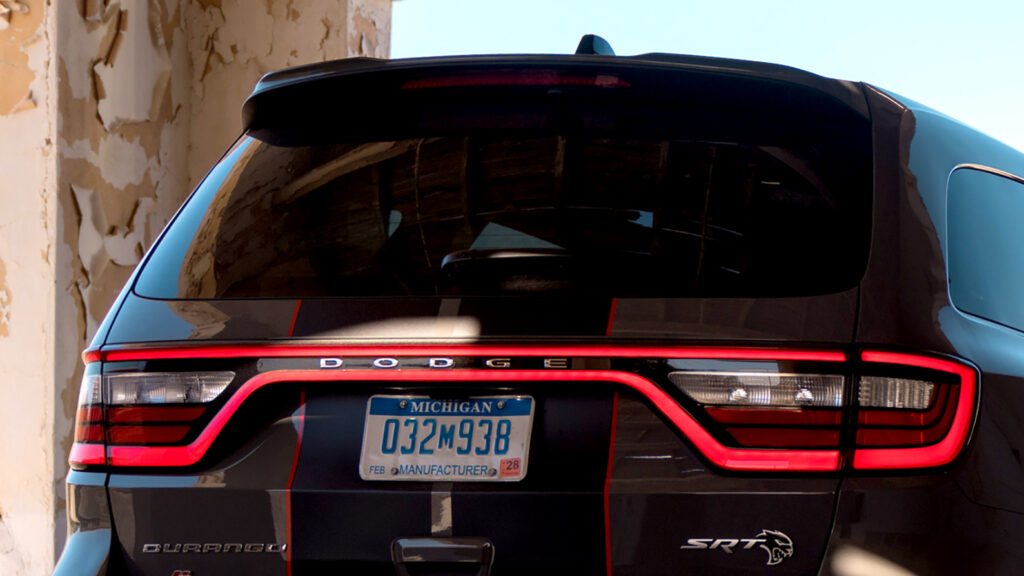
Civil engineers say heavier cars are not the main cause of road damage, pointing instead to climate change, water ingress and a record £18.62 billion maintenance backlog.
By Charlotte Redford · 5 min read
Electric vehicles and SUVs are being unfairly blamed for the deterioration of Britain's roads, according to civil engineering experts who say climate change and years of underfunded maintenance are the real culprits behind the country's pothole crisis.
The average kerb weight of new cars has risen by almost 400kg over the past nine years, from 1,553kg to 1,947kg, and last year the mean weight of vehicles road-tested by Autocar stood at 2,024kg. That increase, combined with the growing popularity of SUVs and electric models, has prompted some critics to accuse the vehicles of damaging road surfaces. Councils in London and Cardiff have even considered imposing additional parking charges on heavier vehicles.
In a blog published by the Institute of Civil Engineers, Elizabeth Orchard, director of infrastructure consultancy Endelevu, argued that EVs are a factor in pothole formation. She wrote that roads are designed to withstand a certain number of heavy vehicles during their lifetime, and that as vehicles become heavier, wear per vehicle increases, reducing the lifespan of the road.
However, Ali Rahman, assistant professor at the School of Civil Engineering at the University of Leeds, believes such criticism overstates the damaging effects of passenger cars. He pointed to the fourth power law, which shows that road damage increases proportionately with axle load. If a vehicle's axle load doubles, the damage to the road increases by about 16 times, not two times.
"Heavy goods vehicles are the principal cause of road damage," Rahman said. "One HGV can cause the same damage as many thousands of car journeys. Combined with other factors acting together — climate change, water ingress and delays in road maintenance — it is why SUVs and EVs cannot be singled out for damaging roads."
The state of local roads has become a mounting concern. In March, the Asphalt Industry Alliance said local authorities in England and Wales faced a record £18.62 billion backlog of carriageway repairs that would take 12 years to clear. It added that 16% of local roads — equivalent to more than 32,500 miles — were reported to have less than five years of structural life remaining. Later in the year, the government announced a £7.3 billion spending package for road maintenance over four years to 2030, alongside tighter rules on how councils spend the money.
Orchard explained that the most common cause of potholes in the UK is the combination of vehicles passing over the road and the annual freeze-thaw cycle. Winter temperatures often hover around 0°C, warm enough for rain but cold enough for freezing soon after, meaning the cycle can repeat several times in a single week. When rainwater seeps into cracks and freezes, it expands, pushing stones apart and weakening the top layer. The bitumen also becomes brittle and snaps at cold temperatures, and as vehicles pass over the weakened area, the material breaks away and a pothole forms.
Rahman said climate change is currently causing the most damage, as increasingly hot weather melts the top layer of bitumen below the road surface. The Electric Vehicle Association England, which has 7,000 members, said claims that EVs damage roads more than internal combustion engine cars are inaccurate and based on myth.
Vicky Edmonds, the association's CEO and a former head of the governmental Office for Low Emission Vehicles, said: "I do not accept that EVs are destroying roads. They're still passenger cars and not heavy trucks. It's traffic volume that destroys the roads." She added that with continuing battery development, EVs are expected to become lighter in the future, and smaller, lighter models are already arriving, including the Renault Twingo E-Tech with a kerb weight of 1,200kg and the Dacia Spring 100 Expression at 976kg.
55