
Business 193
Jaguar Type 01 Debuts as Brand Bets on Electric Luxury
In this issue
Business 193
Jaguar Type 01 Debuts as Brand Bets on Electric Luxury
Culture 213
2008 Porsche 911 GT3 RS with 8k Miles Heads to Auction at No Reserve
Economy 36
G7 Agrees to Release 100 Million Barrels of Diesel and Crude Oil to Ease Price Su…
News 146
Texas Insurance Fraudster Sentenced to 13 Years and Ordered to Forfeit 90-Car Col…
Politics 110
Trump Urges Republicans to Vote by Mail After Years of Criticising the Practice
Sports 261
Mustang Sets Stick-Shift Record Then Crashes at 228 MPH
Technology 237
Porsche Unveils Mission S Supercar Concept as Part of Turnaround Plan
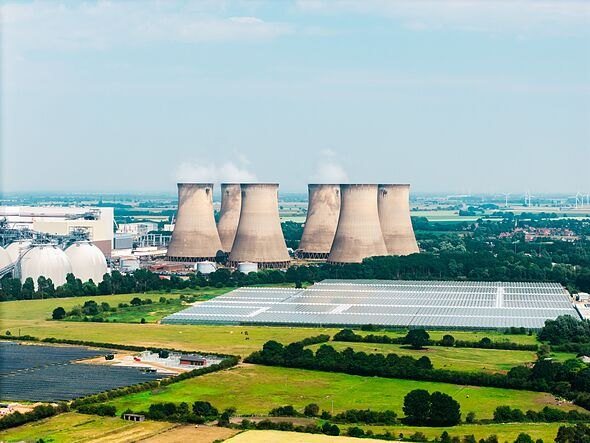
A UK power plant was forced offline for four days after Iranian state-linked hackers breached its systems, in an attack that has raised fresh concerns about the resilience of Britain's critical national infrastructure.
By Eleanor Ellington · 5 min read
Iranian state-linked hackers forced a UK power plant to shut down for four days after breaching its operational systems, in an attack that has intensified concerns about the vulnerability of Britain's critical national infrastructure. The facility, whose location has not been disclosed, was taken offline following the intrusion, which disrupted normal operations and required an extended recovery period before the plant could resume generation.
The cyber attack, which has been reported by multiple outlets, is understood to have targeted the plant's industrial control systems rather than merely its corporate IT network. Security experts regard such systems as particularly sensitive because they govern physical processes, including power generation and distribution. A successful intrusion at this level raises the prospect of damage beyond data theft, including the possibility of equipment failure or unsafe operating conditions.
The incident is the latest in a series of hostile cyber operations attributed to Iran, which has increasingly used digital warfare as a tool of statecraft. British officials have repeatedly warned that state-sponsored hackers are probing the country's energy sector, telecommunications networks, and government systems. The shutdown of a power plant, even a relatively small one, marks a significant escalation in the perceived threat, as it demonstrates the capacity to cause real-world disruption rather than merely steal information.
The National Cyber Security Centre, part of GCHQ, has been leading the response to the attack, working with the plant's operators and other government agencies to contain the damage and restore services. While the full extent of the intrusion has not been made public, the fact that the plant remained offline for four days suggests that the attackers gained deeper access than a typical ransomware or phishing operation. Investigators are now examining how the hackers gained entry, whether they exploited a known vulnerability or used a sophisticated social engineering campaign, and what data or systems they may have accessed during the intrusion.
The attack comes amid heightened tensions between the UK and Iran, which have been strained over Tehran's nuclear programme, its support for proxy forces in the Middle East, and its history of hostile activity against British interests. In recent years, the UK has accused Iran of plotting kidnappings and assassinations on British soil, as well as conducting espionage and cyber operations against a range of targets. The power plant attack is likely to sharpen the government's focus on hardening the country's energy infrastructure against similar threats in the future.
Energy operators across the UK have been on alert for such intrusions, with regulators requiring companies to meet strict cybersecurity standards. However, the sector remains a challenging environment for defenders, as many facilities rely on legacy equipment that was designed before the current threat landscape emerged. Retrofitting modern security controls onto ageing industrial systems is a slow and costly process, leaving some plants exposed to sophisticated adversaries.
The government has not yet issued a formal statement on the attack, and the operator of the affected plant has declined to comment on operational details. Security officials are expected to brief ministers on the findings of the investigation in the coming days, and the incident is likely to be raised in Parliament as MPs seek assurances that the necessary steps are being taken to protect the national grid. For now, the attack serves as a stark reminder that the UK's critical infrastructure is a live target for hostile states, and that the consequences of a successful intrusion can extend far beyond the digital realm.
60