
Business 139
Stellantis Adds Flatbed Opel Vivaro with New 148hp Turbodiesel
In this issue
Business 139
Stellantis Adds Flatbed Opel Vivaro with New 148hp Turbodiesel
Culture 150
Max Mara champions understated elegance at Milan Fashion Week
Economy 33
Bitcoin and Ethereum Surge to Levels Last Seen in January
News 130
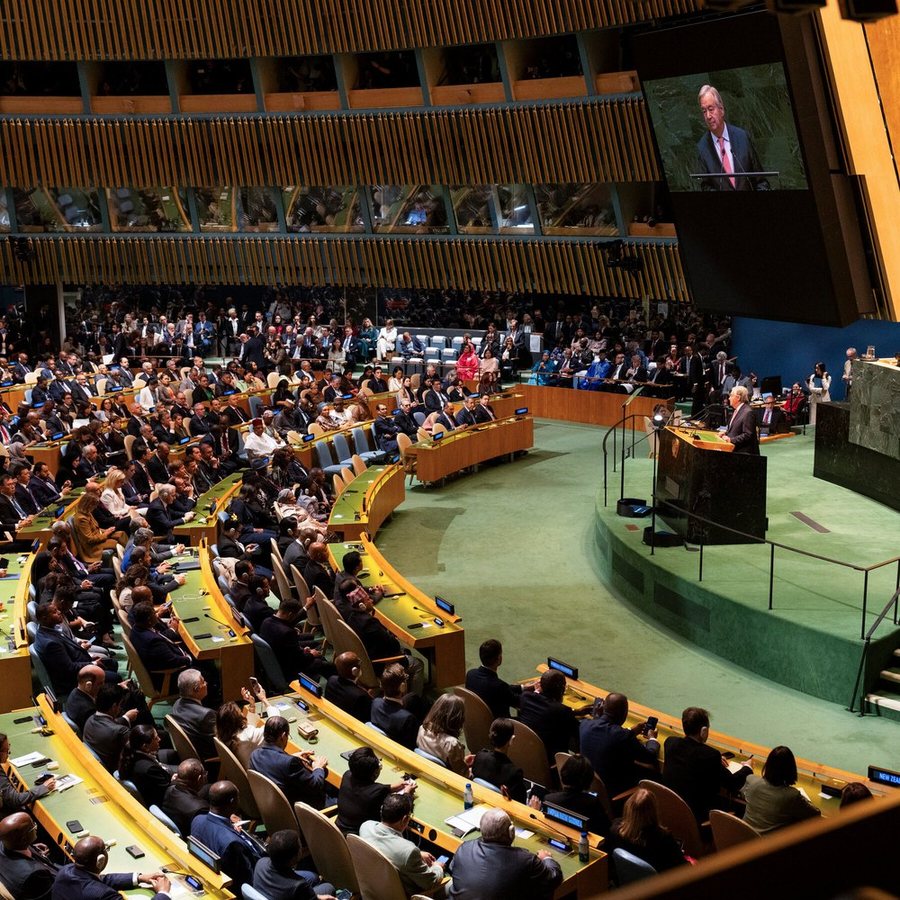
Trump Tells UN Iran Faces Choice Between Deal and Annihilation
Politics 107
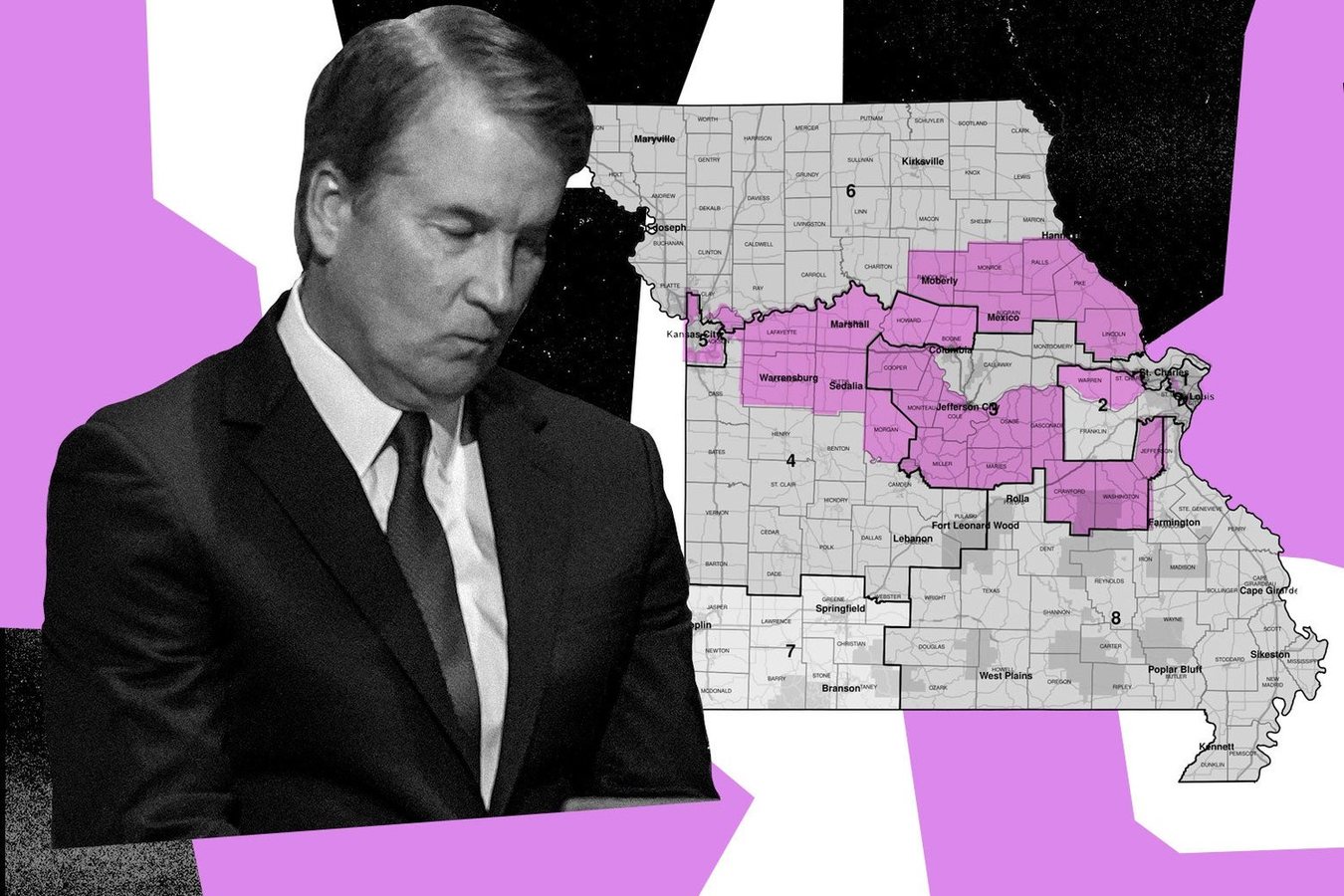
Republican Judges Defy Supreme Court in Missouri Redistricting Fight
Sports 245
MINI to Debut New Adventure SUV at Rebelle Rally
Technology 163
Chevrolet Builds Two Corvette Generations at Once for the First Time
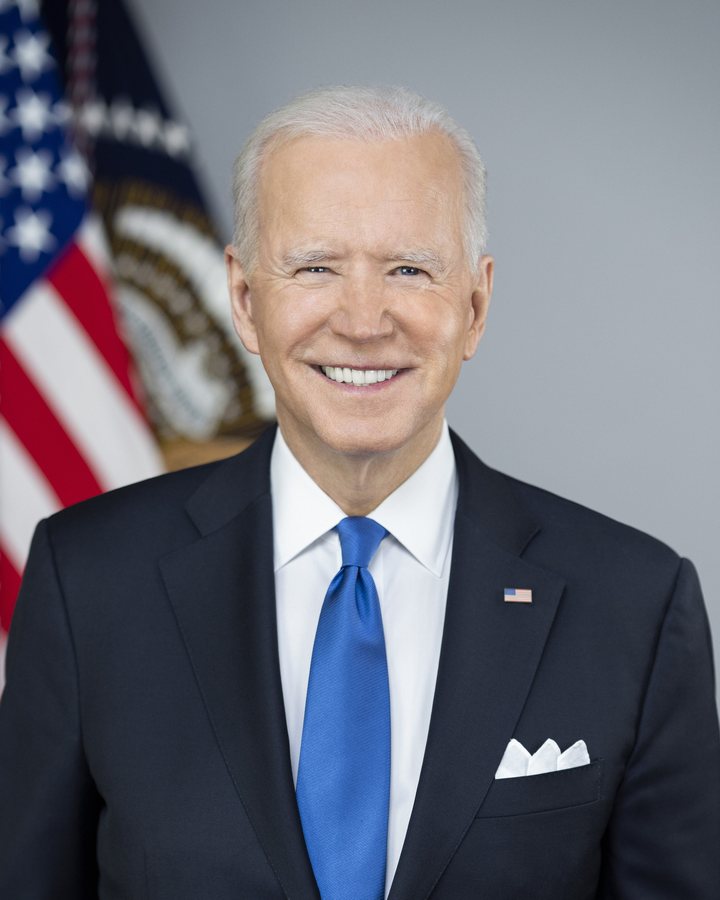
A reported church appearance in Wilmington followed Hunter Biden’s candid account of his father’s cancer pain. The sighting, if verified, reflects continuity in a life increasingly organized around treatment.
By Charlotte Redford · 5 min read
A serious diagnosis changes the architecture of a life. It changes calendars, travel, energy and the distance between what a person wants to do and what the body allows. For Joe Biden, one routine appears to have endured: Mass at St. Joseph on the Brandywine in Wilmington, Delaware.
The Telegram channel Ateo Breaking published a video Saturday that it says shows the former US president leaving the church after Mass and heading to a vehicle. The footage attracted immediate attention because it came a day after Hunter Biden’s BBC Newsnight interview, in which he described his father’s metastatic prostate cancer as painful and debilitating.
The video itself has not been independently verified by MAIR, and no second indexed source has established that it was recorded on Aug. 8. The claim that it was Biden’s first public appearance after Hunter’s interview is therefore also unconfirmed. What can be independently checked is that St. Joseph on the Brandywine scheduled a 5 p.m. Saturday vigil Mass that day.
The location is significant because it is ordinary for Biden. He has attended the parish for decades, and photographers documented him there again on June 13, 2026. That prior appearance came after his diagnosis and during treatment. If the new clip is correctly dated, it suggests continuity in a familiar habit rather than a formal re-emergence.
Biden’s cancer diagnosis was announced in May 2025. His office said he had prostate cancer with a Gleason score of 9, Grade Group 5, and spread to bone. The disease was described as hormone-sensitive, which means doctors can target the hormonal signals that help many prostate cancers grow. He later underwent hormone treatment and radiation.
In July 2026, Biden said treatment was going well. Hunter’s later description of pain does not necessarily contradict that. The National Cancer Institute says bone metastases can cause substantial pain even as treatment is being used to control metastatic disease. A patient can respond to therapy, remain mobile and still face difficult symptoms.
That reality is easy to miss because modern public life rewards visual shorthand. We read posture as confidence, pace as strength and attendance as proof of capacity. Those shortcuts may be useful in a boardroom or on a campaign stage, but they are unreliable in cancer care. A short video does not reveal scan results, disease burden or the side effects of treatment.
At 83, Biden is also dealing with the ordinary physical changes of age. That fact cannot be cleanly separated from cancer or therapy by outside observers. Hormone treatment can affect muscle mass, fatigue and bone health; pain itself can change gait and energy. None of those possibilities can be assigned to the former president without access to his medical information.
The more useful question is how someone with a demanding public identity chooses what to preserve. For Biden, Catholic practice has been a durable part of his life through political success and personal loss. St. Joseph on the Brandywine is associated with his family history as much as with Sunday obligation. Continuing to attend Mass, when able, may therefore represent continuity on his own terms rather than a message crafted for an audience.
Hunter’s remarks add a second layer: leadership does not cancel vulnerability. For decades, Biden occupied offices in which public composure was part of the job. Now his son is describing what happens outside that frame — pain, exhaustion and the emotional strain of watching a parent live with advanced cancer. That may be uncomfortable, but it is a more realistic picture of aging than the old political binary of vigorous versus unfit.
For readers, the limits of the evidence matter. The diagnosis is confirmed. The treatment history is confirmed. Hunter’s remarks are confirmed. The church’s Saturday Mass schedule is confirmed. The precise provenance of the Aug. 8 clip is not. Keeping those categories separate avoids turning one walk from a church door to a car into a verdict on either resilience or decline.
Biden’s public life is smaller than it once was, but it has not vanished. The reported church sighting, if authenticated, is another example of how routine can survive even when illness becomes one of the main forces organizing a person’s days. That may be the most meaningful part of the story — not a comeback, and not a medical diagnosis, but persistence inside new limits.
50