
Business 120
BYD Plans Three European Assembly Plants and a Battery Factory
In this issue
Business 120
BYD Plans Three European Assembly Plants and a Battery Factory
Culture 123
Safari-Style 2010 Porsche 911 Carrera 4S Coupe Heads to Auction
Economy 30
HMRC is writing to low earners about pension top-ups averaging about £70
News 127
London Mayor Funds Safer Streets for Women and Girls
Politics 105
Reform UK's Welsh Leader Dan Thomas Resigns After Arrest on Suspicion of Assault
Sports 239
Tottenham Host Aston Villa in Premier League Clash
Technology 142
Police Used 'LOL' and 'idk' to Justify License Plate Searches, EFF Finds
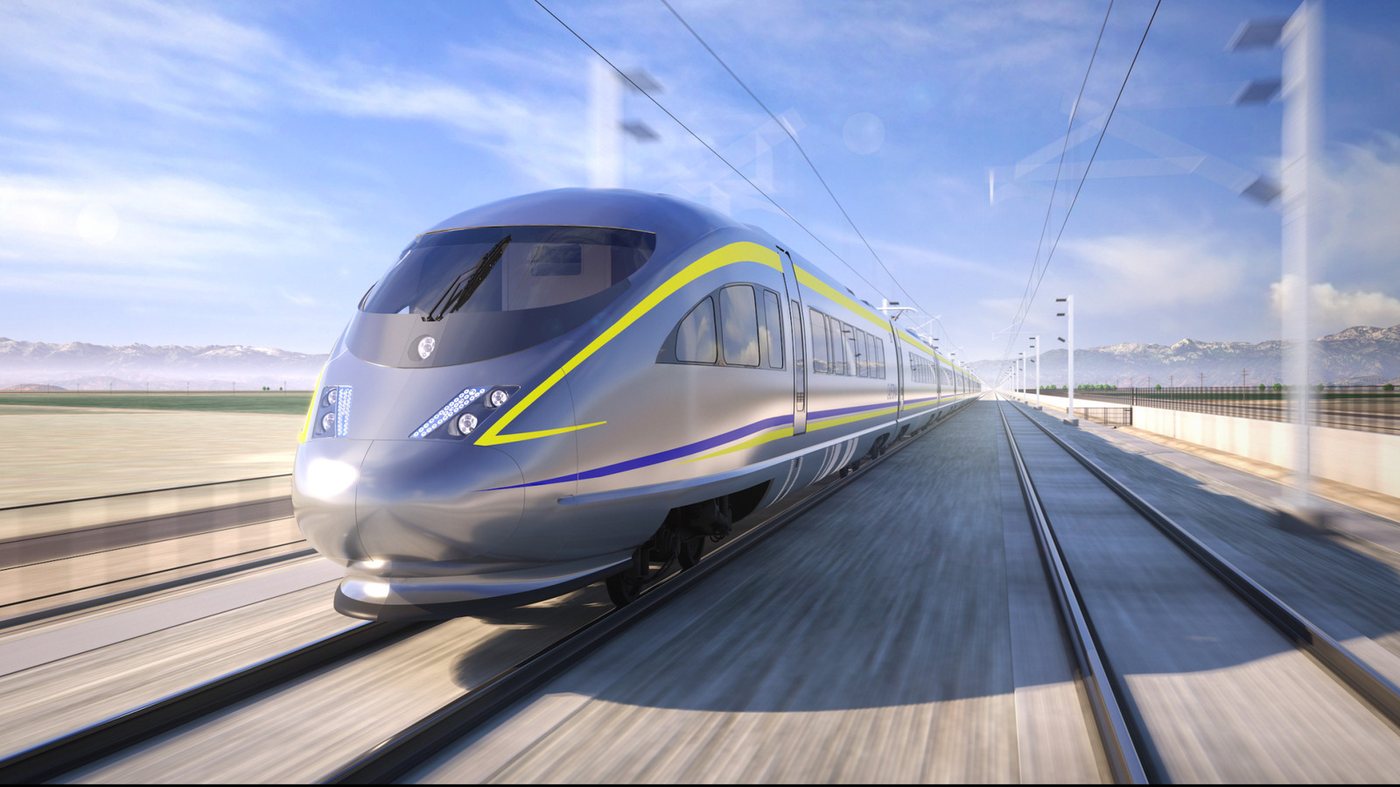
An investigation has found that consultants working on California's high-speed rail project billed taxpayers for almost $600,000 in personal expenses, including rideshare trips and bar tabs, while no tracks have yet been laid.
By Eleanor Ellington · 4 min read
Consultants working on California's flagship high-speed rail project have charged taxpayers nearly $600,000 in reimbursements for expenses that included rideshare journeys and visits to bars, according to an investigation. The findings raise fresh questions about financial oversight at the agency responsible for delivering the long-promised rail link, which has yet to lay a single mile of track.
The investigation details how public money was used to cover costs that appear to have little connection to the planning, engineering or construction of a high-speed rail line. The reimbursements, which totalled close to $600,000, included payments for Uber trips and bar tabs, among other items. The disclosure is likely to intensify scrutiny of the project's management and its use of external contractors.
California's high-speed rail programme was approved by voters more than a decade ago with the promise of connecting major cities across the state. It has since faced repeated delays, escalating cost estimates and persistent criticism over its delivery record. The latest revelations about consultant expenses add to a growing body of evidence that the project's administrative spending has not always been tightly controlled.
The fact that no tracks have been laid for the high-speed rail system remains a central point of contention. Supporters argue that extensive preparatory work, including land acquisition, environmental reviews and design, must be completed before construction can begin in earnest. Critics counter that the project has consumed billions of dollars while producing little visible infrastructure.
The expense claims were submitted by consultants rather than full-time state employees, a distinction that may complicate efforts to recover the money or impose disciplinary measures. Oversight of contractor spending typically relies on internal approval processes, which the investigation suggests may have been insufficient in this case.
News of the reimbursements comes as the rail authority continues to face pressure from lawmakers and the public to demonstrate value for money. Any suggestion that taxpayer funds have been misused could strengthen calls for tighter auditing and could jeopardise future funding commitments.
The investigation does not specify whether the expenses were approved by senior officials or whether any individuals have been held accountable. It also does not indicate whether the reimbursements have been repaid or whether any review is under way. Those questions are likely to be raised by legislators and watchdog groups in the coming days.
For a project that has long been portrayed as a test of California's ability to deliver major public infrastructure, the latest findings represent another reputational setback. The rail authority has previously pledged to improve transparency and cost control, but the persistence of questionable spending suggests that those commitments have yet to translate into robust day-to-day financial discipline.
The high-speed rail project remains a politically sensitive subject in California, where it is both a symbol of ambitious climate policy and a target for those who question the state's ability to manage large-scale construction. With no tracks yet in place, every new disclosure about administrative costs is likely to be weighed against the project's still-distant promise of faster, cleaner travel between the state's major population centres.