Business 120
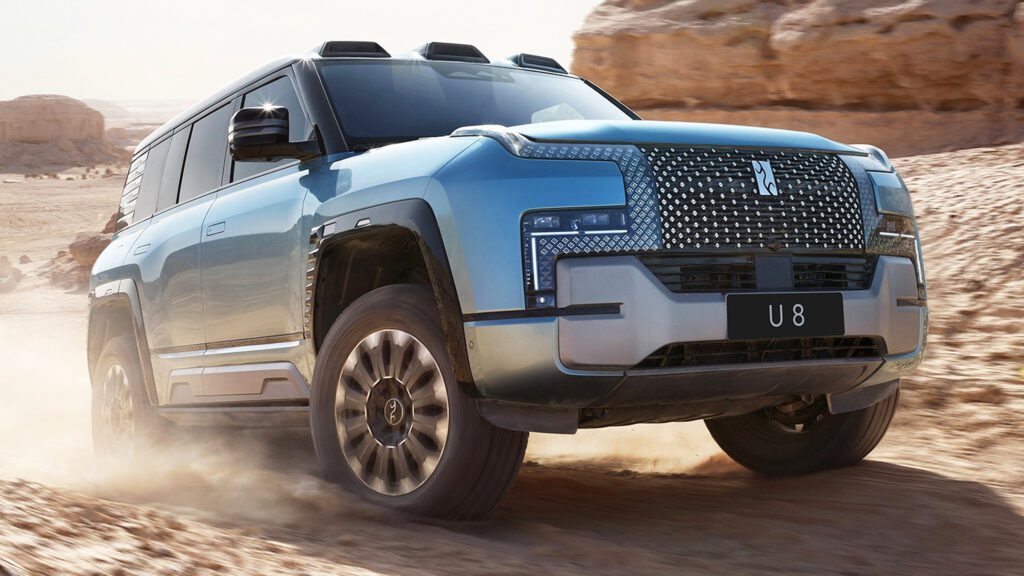
BYD Plans Three European Assembly Plants and a Battery Factory
In this issue
Business 120
BYD Plans Three European Assembly Plants and a Battery Factory
Culture 123
Safari-Style 2010 Porsche 911 Carrera 4S Coupe Heads to Auction
Economy 30
HMRC is writing to low earners about pension top-ups averaging about £70
News 127
London Mayor Funds Safer Streets for Women and Girls
Politics 105
Reform UK's Welsh Leader Dan Thomas Resigns After Arrest on Suspicion of Assault
Sports 238
Ab Jenkins and the Salt Flats: How Pennzoil Backed the Quest for Speed and Safety
Technology 140
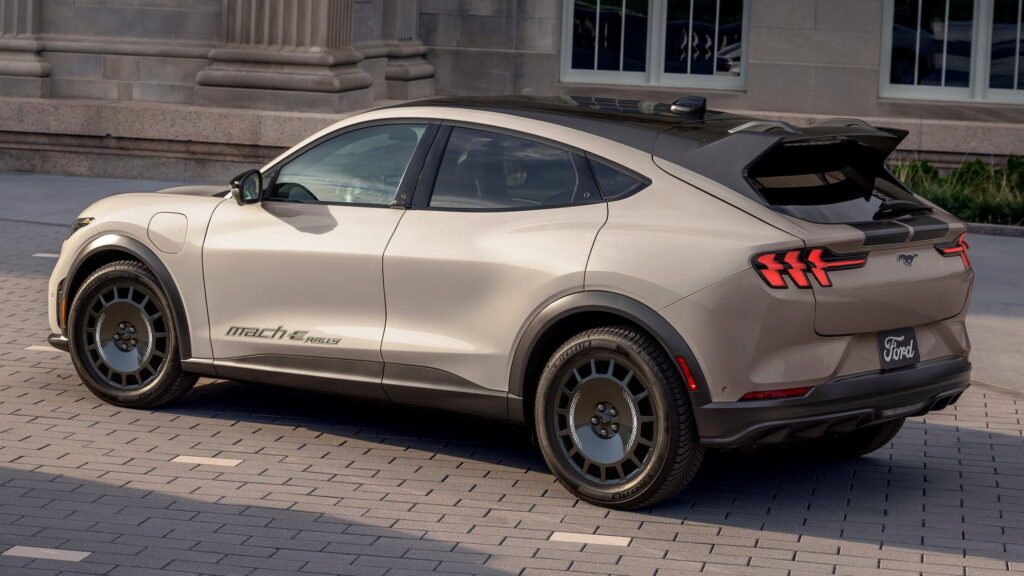
Ford Recalls 86 Mustang Mach-E EVs Over Battery Software Fault
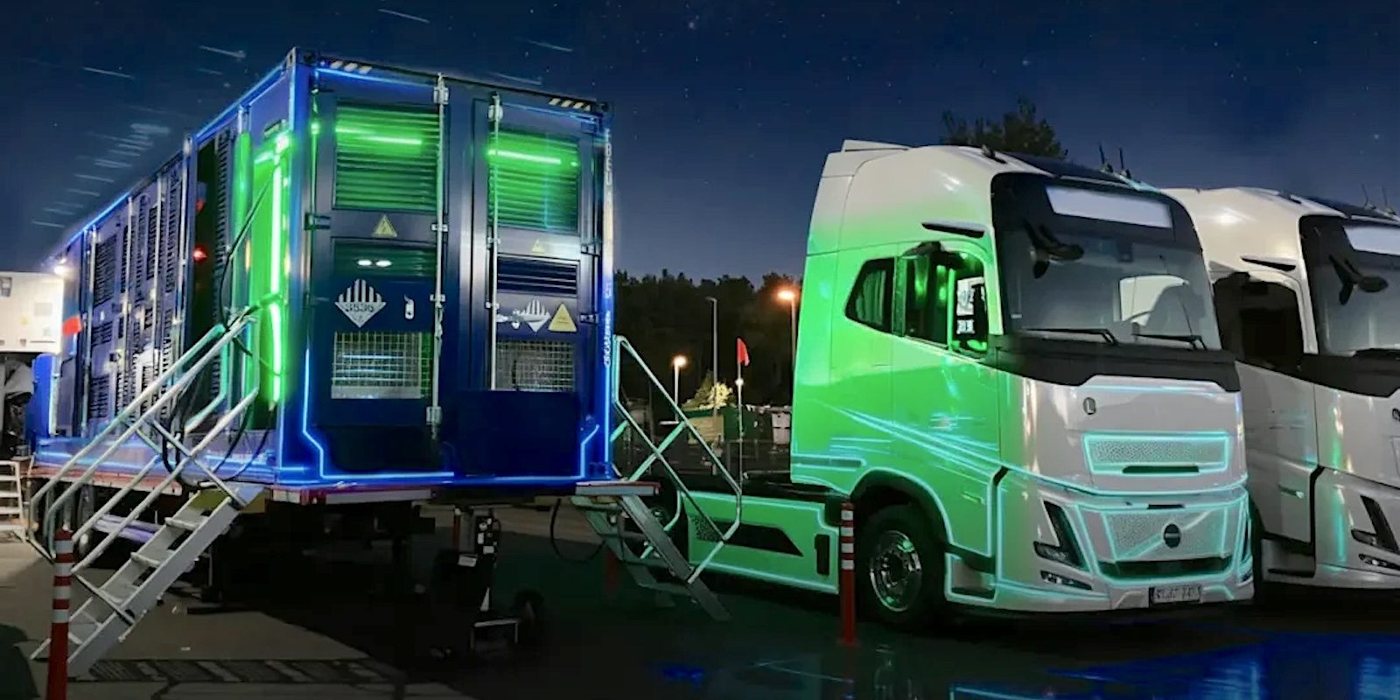
CATL and Octopus Energy have formed a joint venture called Swaptopus to build a European battery swap network for commercial trucks, challenging existing charging models with a new semi-truck battery.
By George Kensington · 5 min read
CATL and Octopus Energy have formed a joint venture named Swaptopus to build a European battery swap network for commercial trucks. The venture, which pairs the world's largest battery manufacturer with one of Europe's leading renewable energy suppliers, aims to address one of the most persistent barriers to electric truck adoption: the time required to recharge large vehicle batteries.
The announcement coincides with CATL's reveal of a new semi-truck battery designed specifically for swap applications. Battery swapping allows a depleted pack to be exchanged for a fully charged one in minutes, rather than the hours required for conventional high-capacity charging. For commercial fleets, where vehicle downtime directly affects operating costs, this could prove decisive.
Swaptopus is the latest in a series of joint ventures from CATL, which has pursued partnerships across the electric vehicle supply chain to extend its reach into new markets. Octopus Energy brings expertise in renewable energy retail and grid management, alongside a growing portfolio of technology investments. The name Swaptopus, a portmanteau of swap and octopus, has already drawn attention for its unusual character, with industry observers noting it as one of the more distinctive names in the electric vehicle business.
Europe's commercial trucking sector has lagged behind passenger cars in electrification, largely because of the size of batteries required and the limited availability of high-power charging infrastructure. Battery swapping offers an alternative model that decouples charging time from vehicle operation, potentially allowing fleets to run vehicles continuously with minimal interruption. The approach has been tested in China by companies including NIO, but has yet to achieve significant scale in Europe.
The joint venture will need to establish swap stations along major freight corridors, a capital-intensive undertaking that requires coordination with fleet operators, logistics companies, and regulators. The success of Swaptopus will depend on whether it can secure enough vehicle manufacturers to adopt the standardised battery format that swapping requires. CATL's position as a dominant battery supplier gives it leverage in those negotiations, but competing standards remain a risk.
For Octopus Energy, the venture extends its strategy of investing in technologies that support the energy transition. The company has expanded from its origins as a renewable electricity retailer into areas including electric vehicle leasing, heat pumps, and grid software. Partnering with CATL on truck battery swapping adds a commercial transport dimension to that portfolio.
The timing of the announcement reflects growing regulatory pressure in Europe to reduce emissions from heavy road transport. The European Union has set targets for reducing carbon dioxide emissions from new trucks, with stricter standards phasing in over the coming decade. Fleet operators are therefore under increasing pressure to find viable electric alternatives, and battery swapping could offer a practical pathway for long-haul routes where charging times are most problematic.
Whether Swaptopus can move from announcement to operational network remains to be seen. The venture is described as inching towards reality, suggesting that significant work lies ahead before the first swap stations open. The involvement of two well-capitalised partners, however, gives the project a stronger foundation than many earlier attempts at battery swapping in Europe.
For now, the venture stands as a signal that the commercial vehicle sector is beginning to attract the kind of infrastructure investment that passenger electric vehicles have enjoyed for years. If successful, Swaptopus could help establish battery swapping as a standard option for European truck fleets, alongside depot charging and public high-power charging.