Business 115
Volvo to launch 13 new cars by 2030 in largest product push
In this issue
Business 115
Volvo to launch 13 new cars by 2030 in largest product push
Culture 103
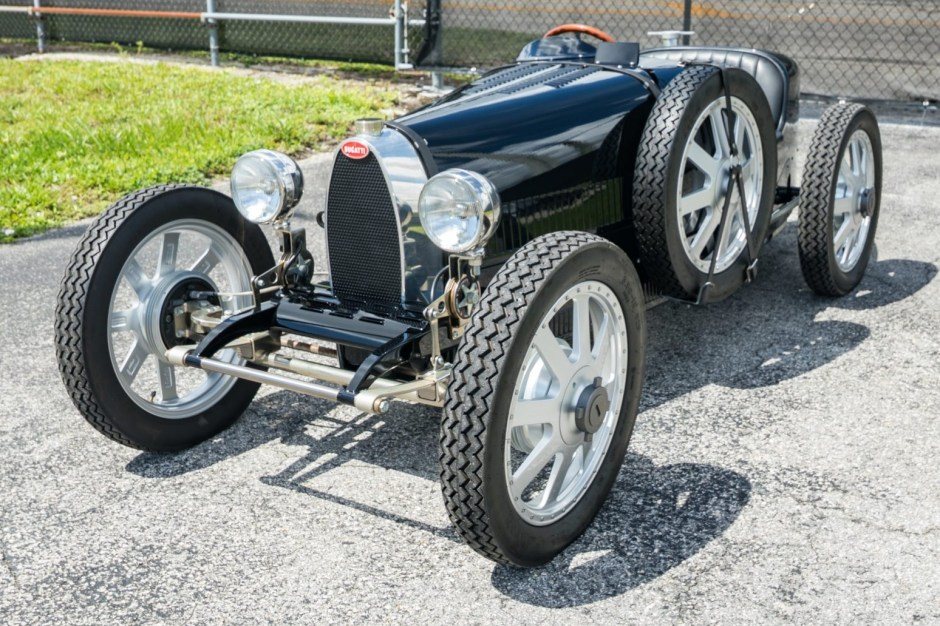
Bugatti Baby II Vitesse Goes to Auction at No Reserve
Economy 30
HMRC is writing to low earners about pension top-ups averaging about £70
News 125
Ministers Agree to Fully Fund Teachers' Pay Rise in England
Politics 105
Reform UK's Welsh Leader Dan Thomas Resigns After Arrest on Suspicion of Assault
Sports 235
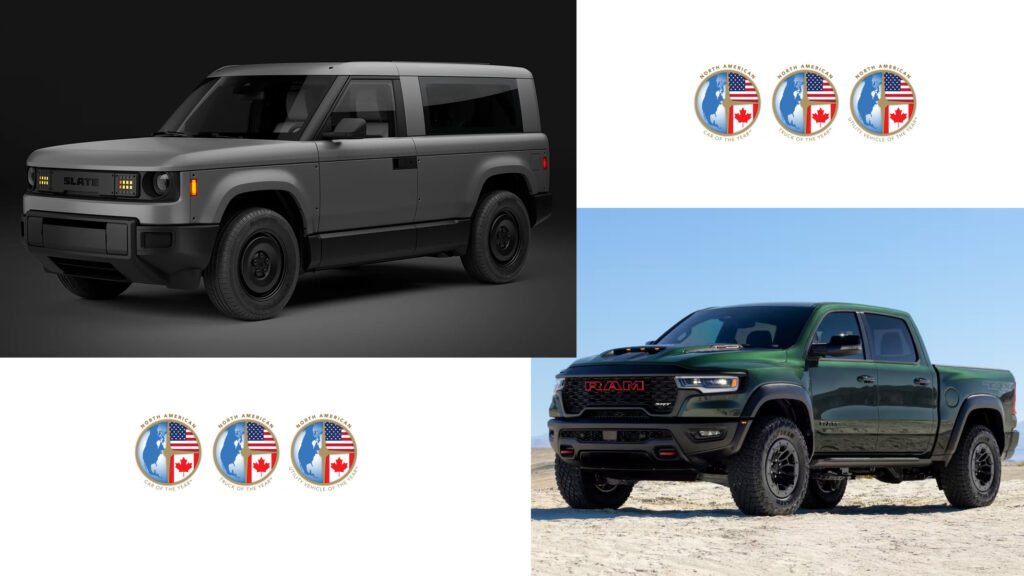
Preproduction Slate Truck Faces $103K Ram TRX in NACTOY Best of 2027 Contenders
Technology 131
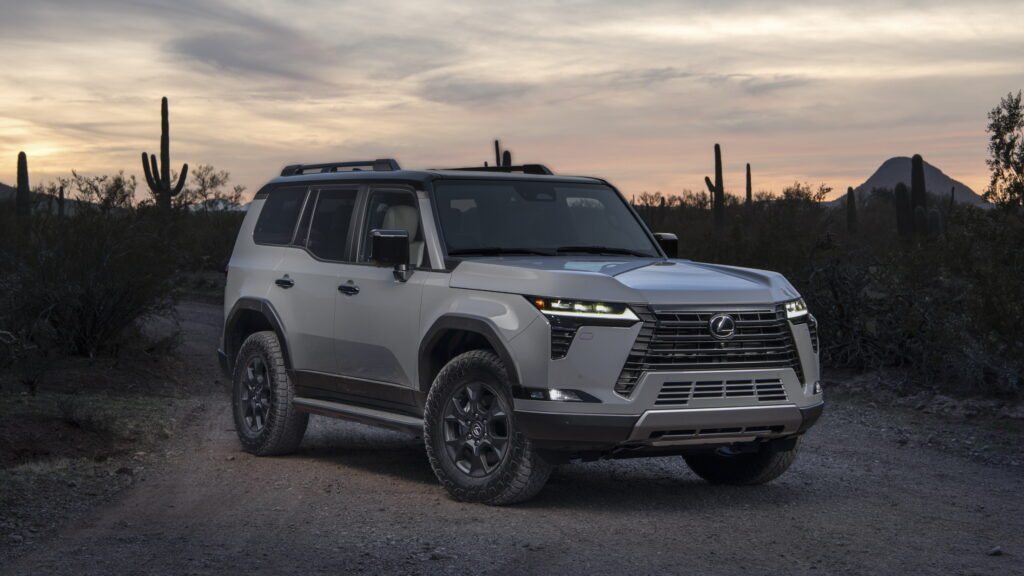
Lexus GX 2027 Gains Convenience Upgrades as Prices Rise by up to $1,565
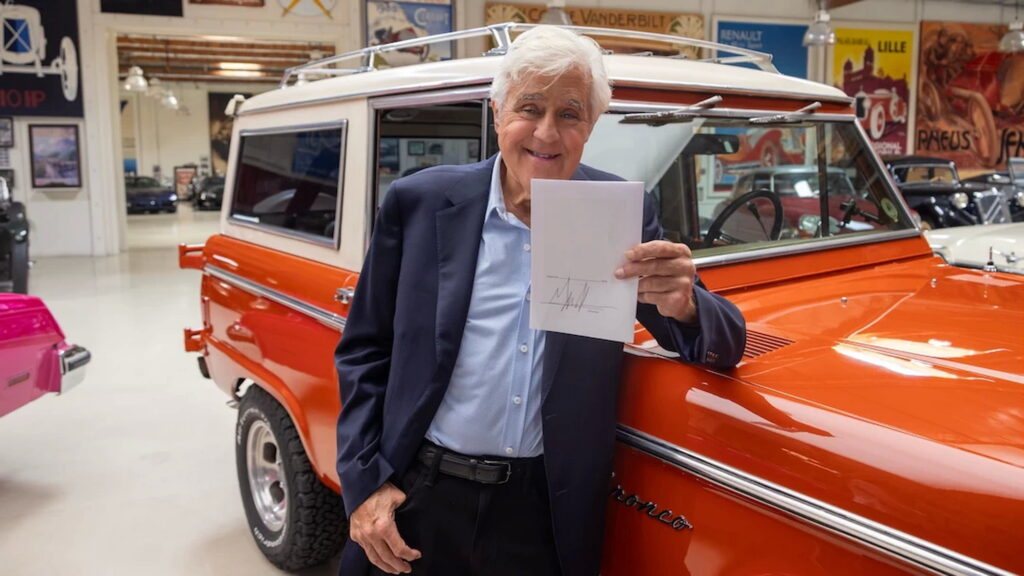
California will phase in smog-check exemptions for collector vehicles built between 1976 and 1985, beginning in 2028 and completing in 2033, after years of advocacy by Jay Leno.
By Charlotte Redford · 4 min read
California has approved a gradual exemption from smog inspections for thousands of collector vehicles, ending a long-running regulatory headache for owners of cars built between 1976 and 1985. Governor Gavin Newsom signed SB 1392, widely known as Jay Leno's Law, which creates a phased exemption for qualifying collector vehicles that are at least 35 model years old and used primarily for shows, parades, charitable events, historical exhibitions, preservation and maintenance rather than daily transport.
The change begins on January 1, 2028, when vehicles built before the 1981 model year become exempt from smog-certification requirements. The cutoff will then advance by one model year annually until 2033, when eligible vehicles built before 1986 are covered. California currently exempts only vehicles from the 1975 model year and earlier, leaving a generation of carefully preserved classics subject to inspections that owners say are increasingly difficult and costly to pass.
Under the legislation, owners will initially need to submit proof that the vehicle carries collector-car insurance. From 2030, the law adds a second route for cars driven fewer than 1,000 miles annually. The restrictions are designed to keep daily drivers out of the exemption, ensuring that tired 1980s commuter cars still clinging to life do not escape emissions testing.
Leno's involvement went well beyond lending his name to the proposal. He travelled to Sacramento and testified before lawmakers in 2025, arguing that emissions testing older cars can be considerably more difficult and expensive because fewer shops possess the necessary equipment. An earlier proposal, SB 712, failed in committee. A more narrowly written replacement returned in 2026 with bipartisan backing from Senators Dave Cortese and Shannon Grove.
«The car community has been waiting on this for a long time,» Leno said after the revised measure was signed at his Burbank garage. The comedian and television host has spent decades collecting, restoring and championing old cars, and his public campaign helped turn a niche regulatory grievance into legislation with support from both sides of the aisle.
The exemption will not arrive immediately, and its restrictions deliberately keep daily drivers out. For owners preserving cars from an awkward era — too new for California's old exemption but increasingly difficult to test — it removes a costly hurdle without opening the door to widespread abuse. The phased rollout gives regulators and owners time to adjust, while the insurance and mileage requirements provide safeguards against misuse.
Newsom also signed AB 2541 alongside the smog measure, a pairing he linked to the wider culture of cruising in California. In a statement, the governor said he was proud to stand with Californians celebrating the culture, expression and freedom that cruising represents. The two bills together mark a shift in how the state treats older vehicles that are maintained as hobbyist and heritage objects rather than everyday transport.
For the thousands of Californians who share Leno's passion, the practical effect will be a gradual reduction in the cost and inconvenience of keeping a collector car on the road. The first owners to benefit will be those with vehicles built before 1981, who will see the exemption take effect in 2028. By 2033, the exemption will extend to eligible vehicles built before 1986, completing a six-year transition that ends one of the more contentious corners of the state's smog programme.