
Business 118
2027 BMW 4 Series Arrives With Minimal Changes and Higher Prices
In this issue
Business 118
2027 BMW 4 Series Arrives With Minimal Changes and Higher Prices
Culture 110
Modified 2019 Porsche 911 GT3 RS Offered With Dundon Upgrades
Economy 30
HMRC is writing to low earners about pension top-ups averaging about £70
News 126
Newsom Signs Jay Leno's Law Easing Smog Checks for Classic Cars
Politics 105
Reform UK's Welsh Leader Dan Thomas Resigns After Arrest on Suspicion of Assault
Sports 237
Cardiff City to Host Charlton Athletic in September 2026 Clash
Technology 134
BMW Confirms Second Neue Klasse EV for Debrecen This Autumn
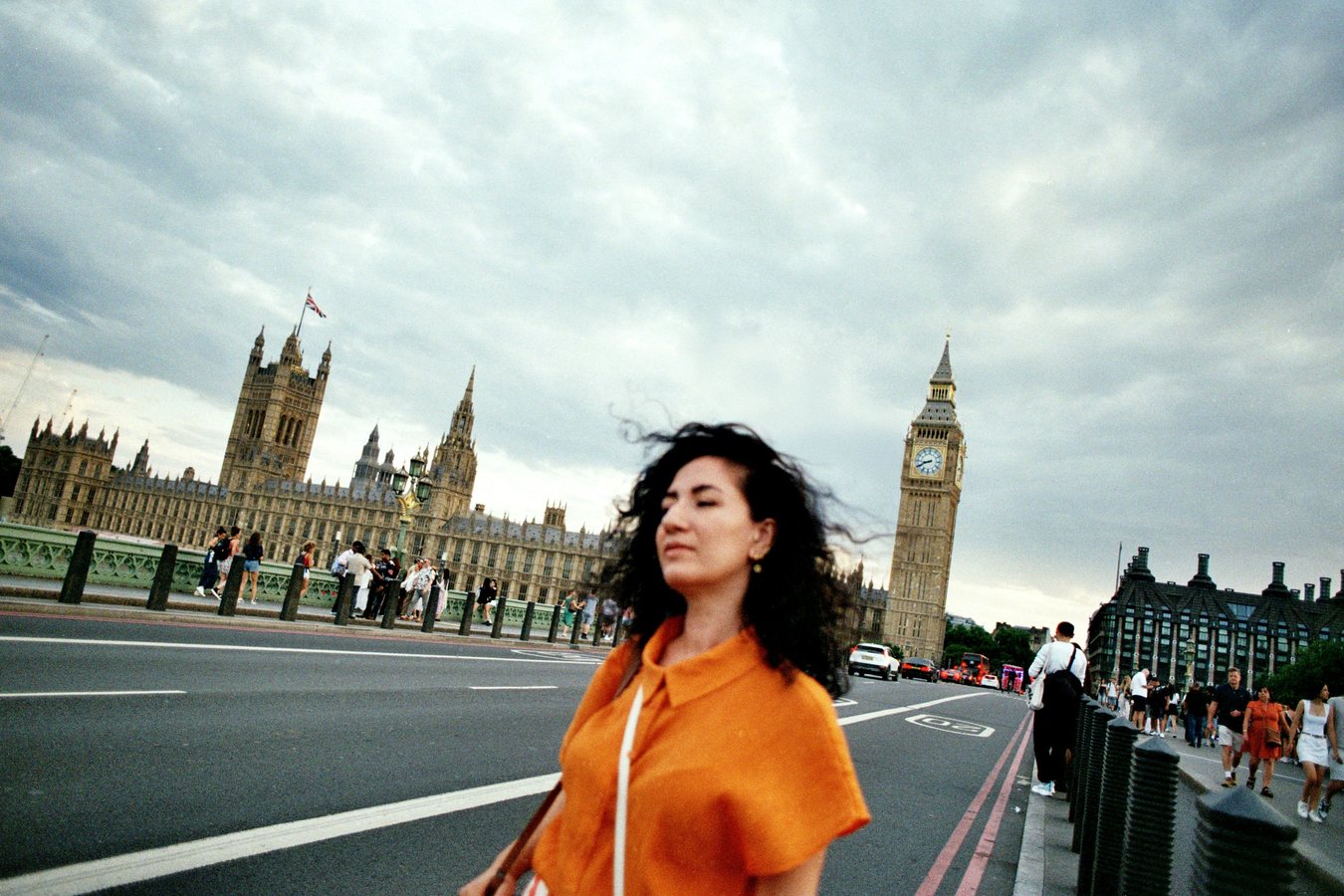
The Mayor of London has allocated funding to make the capital's streets safer, with the initiative shaped by the direct input of women and girls.
By Charlotte Redford · 3 min read
The Mayor of London has established a dedicated fund aimed at making the capital's streets safer, with the design of the programme driven by the experiences and recommendations of women and girls. The move responds to longstanding concerns about personal safety after dark, particularly among younger women navigating the city at night.
The funding is intended to support practical measures that address the everyday fears that shape how women and girls move through London. Rather than imposing solutions from above, the initiative places the testimony of those most affected at its centre, treating their accounts of harassment, unease and avoidance as essential planning data.
The announcement reflects a growing recognition that street safety is not solely a matter of policing or lighting, but of urban design, transport planning and community behaviour. For many women, the decision to walk home, wait at a bus stop or take a particular route is governed by a constant, low-level risk assessment. The Mayor's fund seeks to change the conditions that make such calculations necessary.
Details of the scheme remain focused on consultation and targeted investment. The approach signals a shift in how city authorities treat the safety gap between men and women, moving from general crime statistics to the specific, often underreported experiences that keep women from using public space freely. By starting from the advice of women and girls, the programme aims to produce interventions that are both practical and trusted by the people they are meant to protect.
The initiative also carries a broader message about civic priorities. A city that works for everyone must work for women at night, and the allocation of public money to that end is a statement of intent. It acknowledges that fear of the dark is not an irrational personal failing but a rational response to environments that have too often been planned without women in mind.
For Londoners, the significance lies in the method as much as the money. If the fund succeeds in translating lived experience into lasting changes to streets, transport and public spaces, it could offer a model for other cities grappling with the same problem. The coming months will show whether the consultation leads to visible improvements, and whether women and girls begin to feel that the city after dark belongs to them as much as to anyone else.