Business 325
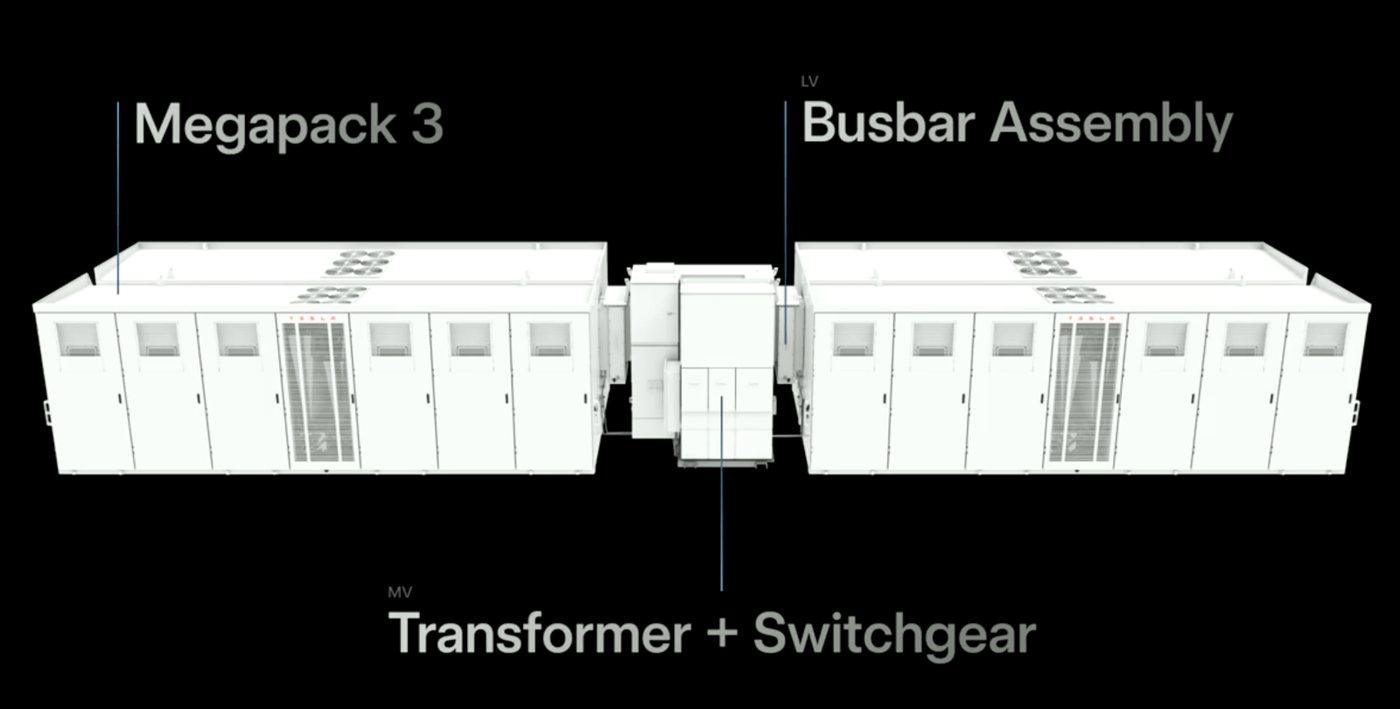
Tesla's Texas Megapack Plant Wins Foreign-Trade Zone Status Deferring Duties
In this issue
Business 325
Tesla's Texas Megapack Plant Wins Foreign-Trade Zone Status Deferring Duties
Culture 349
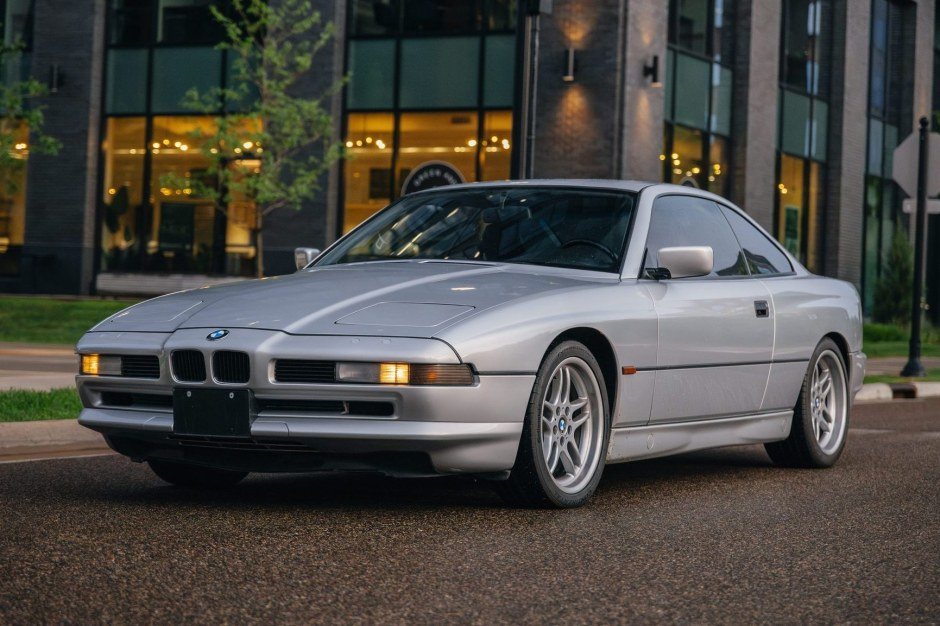
Seller lists 1992 BMW 850i with 106,000 km on no-reserve Bring a Trailer auction
Economy 49
US Fuel Prices Hit Record High On Election Day
News 163
Esquire Italia Data Ranks One Italian Province as Most Exposed to Crime
Politics 122
Female voters could tip US midterm balance against Trump
Sports 297
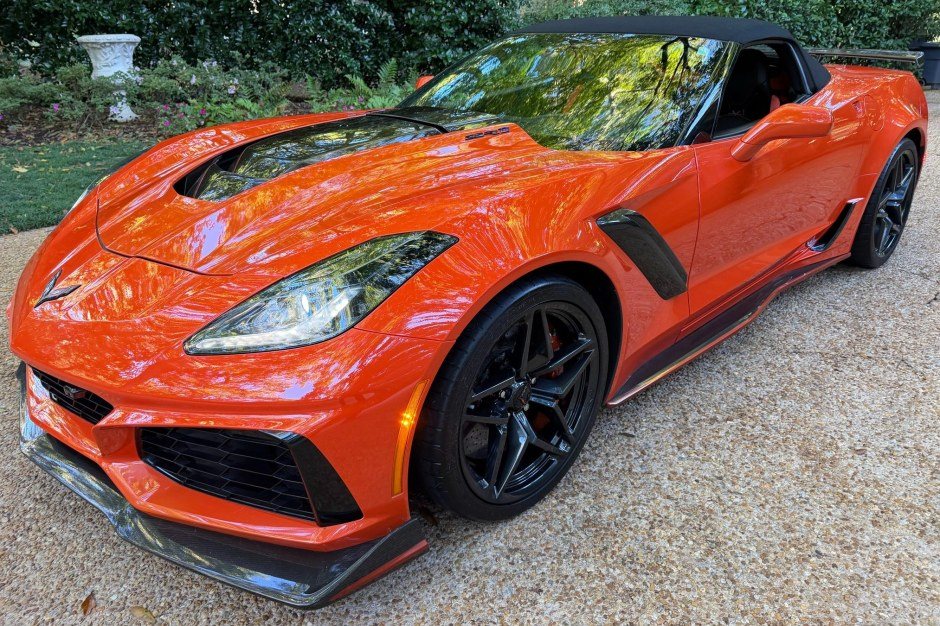
Late Owner's 2019 Corvette ZR1 With 3,500 Miles Offered for Sale in Georgia
Technology 355
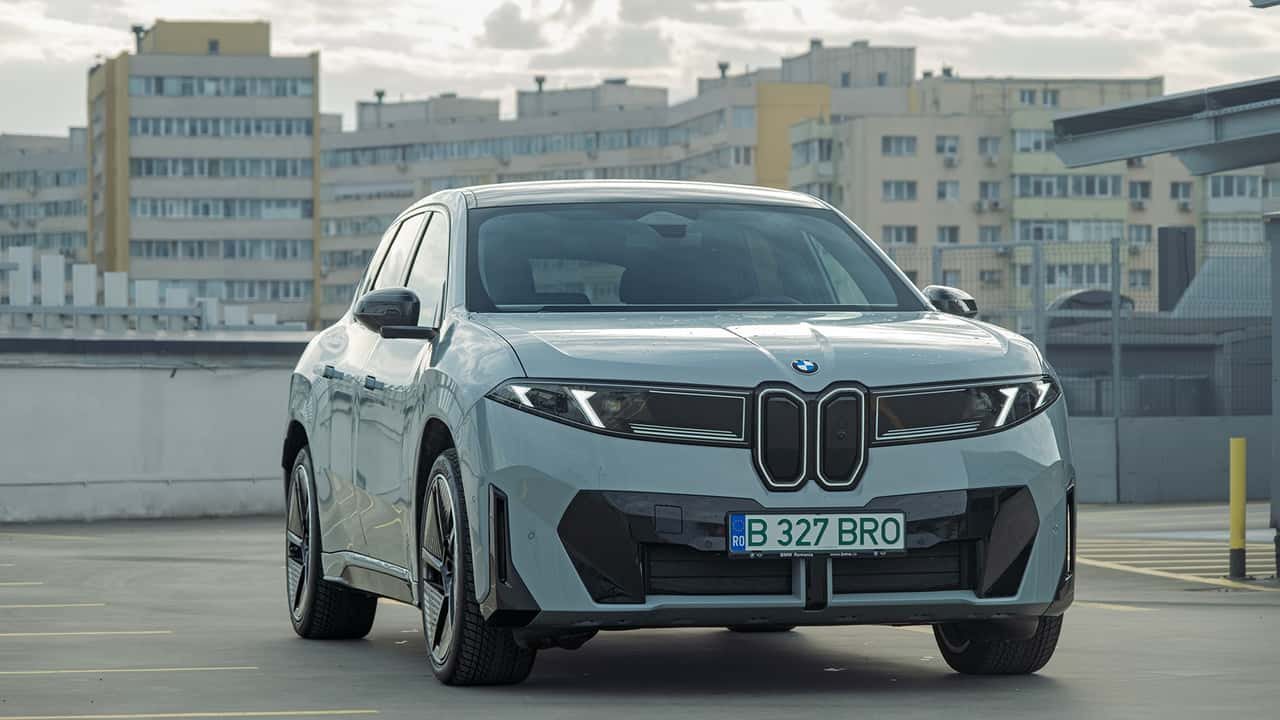
MG IM5 wears Tesla-style minimalism in a close test against the Model 3
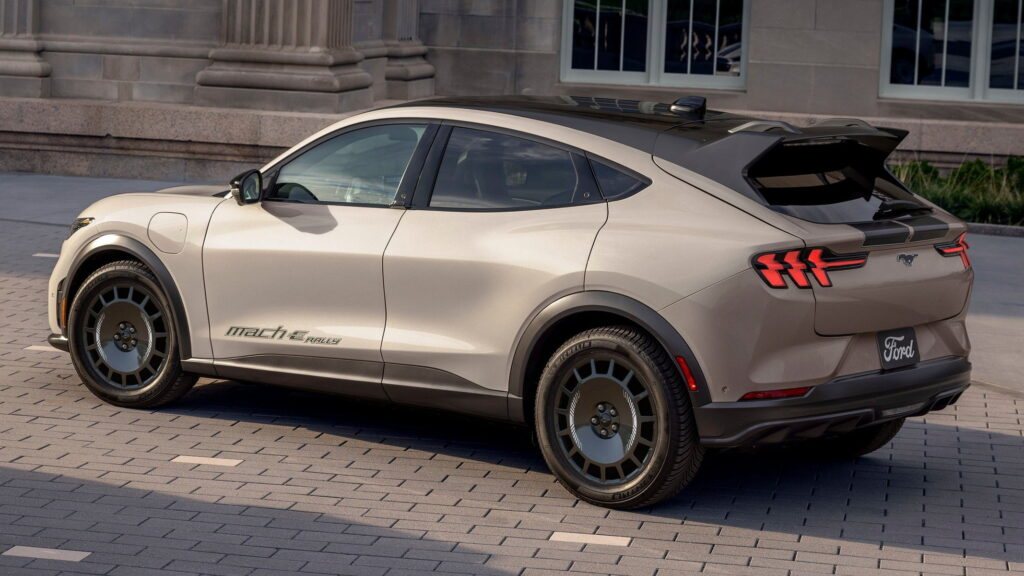
Ford is recalling 86 Mustang Mach-E electric vehicles after replacement battery controllers were found to overstate battery health, risking sudden power loss and, in severe cases, fire.
By Eleanor Ellington · 4 min read
Ford has issued a recall for 86 Mustang Mach-E electric vehicles after discovering that a replacement battery component can misreport the condition of the car's battery, leading to a potential loss of power and, in rare circumstances, an increased fire risk.
The affected vehicles are certain 2023 to 2025 model-year Mustang Mach-Es equipped with lithium iron phosphate (LFP) batteries. According to the manufacturer, every one of the 86 cars included in the recall is estimated to carry the defect. The problem stems from the Battery Energy Control Module, or BECM, a unit that monitors and reports on the state of the battery pack.
When a replacement BECM is installed, it initialises the battery's State of Health at a factory-fresh 100 per cent rather than inheriting the actual condition of the battery already in the vehicle. That discrepancy is more than a minor calibration error. Because the car believes its battery is healthier than it really is, Ford says the instrument cluster can also display an artificially high State of Charge, telling the driver there is more energy available than is actually the case.
The consequences can escalate. As the gap between reported and real battery condition grows, the vehicle may begin to limit power unexpectedly, and in the worst case suffer a complete loss of motive power. Drivers may see a wrench or turtle warning light as the car starts to restrict performance. Ford has not reported any crashes, injuries or fires linked to the issue, and says it has not identified field reports specifically tied to the State of Health overestimation.
There is a second, potentially more serious concern. Ford warns that the incorrect State of Health calculation may increase lithium plating within the battery cells as DC fast-charging cycles accumulate. Severe lithium plating can raise the risk of thermal venting and, potentially, a vehicle fire. The recall filing makes clear that no such incidents have been confirmed to date.
The remedy is a straightforward software update that allows the BECM to recognise and then use the actual state of health of the battery it is paired with. The recall is unusually small by industry standards, but it highlights how heavily modern electric vehicles depend on software accurately interpreting conditions inside the battery pack.
For owners of the affected Mustang Mach-E models, the fix is intended to restore confidence in the range and charge readings displayed on the dashboard. Ford's action follows a broader pattern of software-related recalls across the EV sector, where over-the-air and dealer-installed updates have become the primary tool for correcting faults that would once have required physical component changes.
The recall covers a limited batch of vehicles, but the underlying issue — a controller that assumes a new battery rather than reading the one already installed — is a reminder that electric car safety and reliability increasingly rest on the integrity of the data flowing through the vehicle's management systems. Ford has not indicated any wider impact beyond the 86 vehicles identified.
Source: carscoops.com
67