
Business 120
BYD Plans Three European Assembly Plants and a Battery Factory
In this issue
Business 120
BYD Plans Three European Assembly Plants and a Battery Factory
Culture 123
Safari-Style 2010 Porsche 911 Carrera 4S Coupe Heads to Auction
Economy 30
HMRC is writing to low earners about pension top-ups averaging about £70
News 128
California High-Speed Rail Consultants Charged Nearly $600,000 in Expenses to Tax…
Politics 105
Reform UK's Welsh Leader Dan Thomas Resigns After Arrest on Suspicion of Assault
Sports 238
Ab Jenkins and the Salt Flats: How Pennzoil Backed the Quest for Speed and Safety
Technology 141
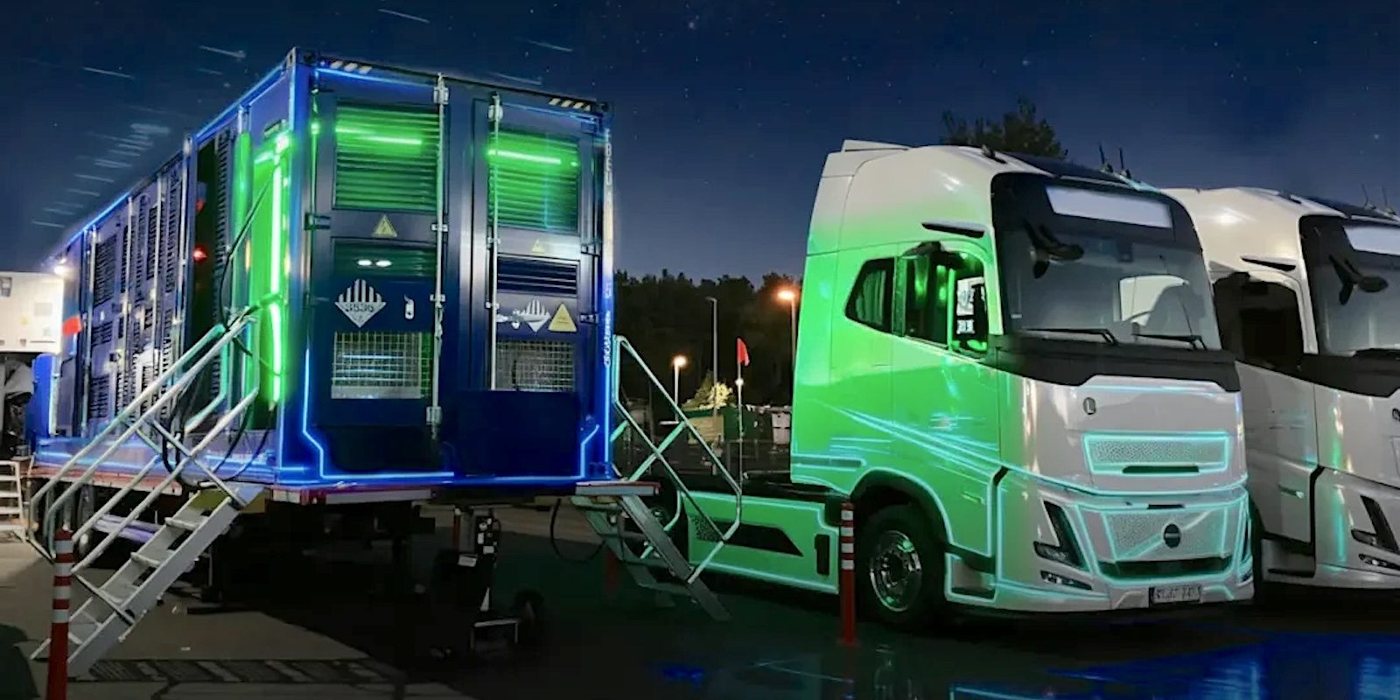
CATL and Octopus Energy Launch Swaptopus Battery Swap Network for Trucks
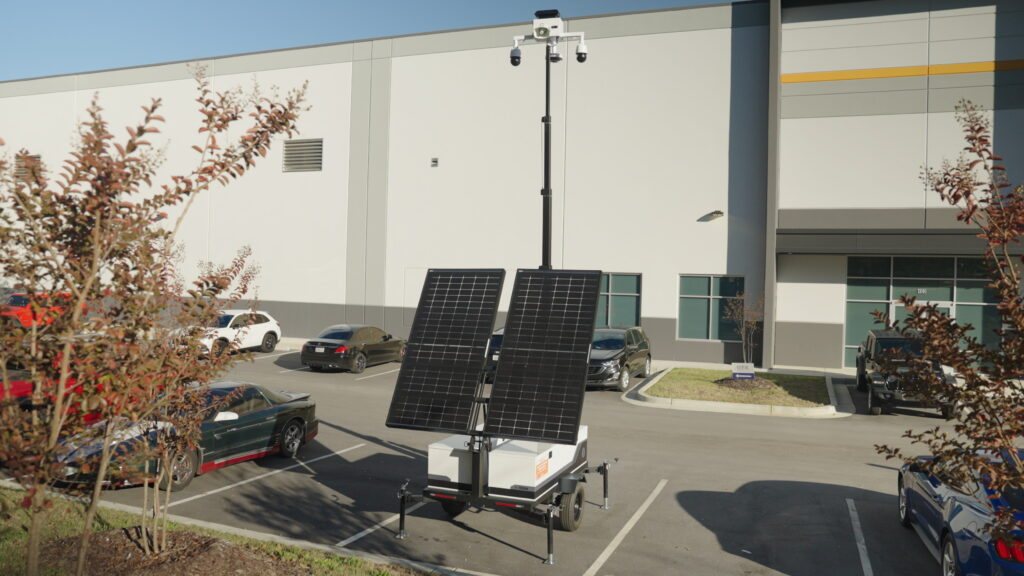
An Electronic Frontier Foundation investigation has uncovered automated license plate reader search logs in which officers entered jokes, slang and keyboard gibberish instead of genuine reasons, raising fresh questions about oversight of mass vehicle-tracking systems.
By Edward Beaumont · 5 min read
Police officers across the United States have been logging jokes, slang and random keyboard characters as the official justification for searching vast automated license plate reader networks, according to an investigation by the Electronic Frontier Foundation. The digital rights group found entries including «LOL», «LMAO», «Sexy», «idk» and strings of gibberish in audit logs from departments in multiple states.
The most striking example involved an officer with the Goshen Police Department, who on 7 May 2025 conducted a search spanning 6,474 ALPR networks and data from 82,413 cameras. The reason recorded for that search was simply «idk».
The pattern was not confined to a single agency. Employees with the Barberton Police Department in Ohio ran numerous searches between March 2024 and May 2026 using «LOL» or «lol» as their stated reason. The Lake County Sheriff's Department in Indiana reportedly used «LMAO», while Richmond Police in California entered «Hehe». In Norton, Massachusetts, an employee logged «Sexy». Thornton Police in Colorado documented searches as «driving around being weird», and a Columbus officer used «idiot».
Perhaps the most revealing entries contained no words at all. The EFF found searches from agencies in Georgia, Florida, Wisconsin, Ohio, Oklahoma and Kentucky containing strings such as «asdfga» and «fghjkl», along with increasingly elaborate keyboard gibberish.
Automated license plate readers are cameras that capture and store vehicle registration details, allowing police to search historical location data across thousands of cameras. Departments have long defended the technology as a serious tool for solving serious crimes, including stolen vehicle cases and missing person investigations. The audit logs are supposed to record why an officer needed to access that data.
When approached for comment, several departments said the searches in question were legitimate. Others attributed some of the unusual reasons to frustration with the software.
The findings highlight a practical problem for anyone reviewing the logs. An auditor confronted with «LOL» or «Sexy» as the stated reason for a search has little basis on which to judge whether the query was justified. The free-text field was intended to create a record of intent, but the entries uncovered by the EFF show how easily that record can be rendered meaningless.
Flock Safety, a major supplier of the technology, has now moved away from requiring free-text explanations. Users instead select one of a handful of options from a drop-down menu. The company says this makes audit records simpler and more accurate.
The EFF argues the change could weaken accountability rather than strengthen it, because an officer can now choose a generic category without explaining precisely why they are searching someone's movements. A drop-down selection may satisfy the form, but it does not necessarily reveal the specific suspicion that prompted the query.
Alternative approaches exist. Axon's current Fusus ALPR interface requires users to select an offence category and provide a written reason for the search. Agencies can also make a case number mandatory, tying each query to a documented investigation. Simplifying the interface, in other words, does not require removing an officer's obligation to explain why they are searching someone's movements.
The broader question is one of oversight. A surveillance system capable of searching tens of thousands of cameras is not a toy, and the ability to reconstruct a person's movements over time carries significant privacy implications. Requiring a clear, honest explanation for each search would seem to be the lowest possible bar to clear.
For now, the logs suggest that bar has not always been met. The EFF's findings add to a growing debate over how police use vehicle-tracking networks, how those searches are documented, and whether the companies supplying the technology are doing enough to ensure that powerful tools are used responsibly.