Business 139
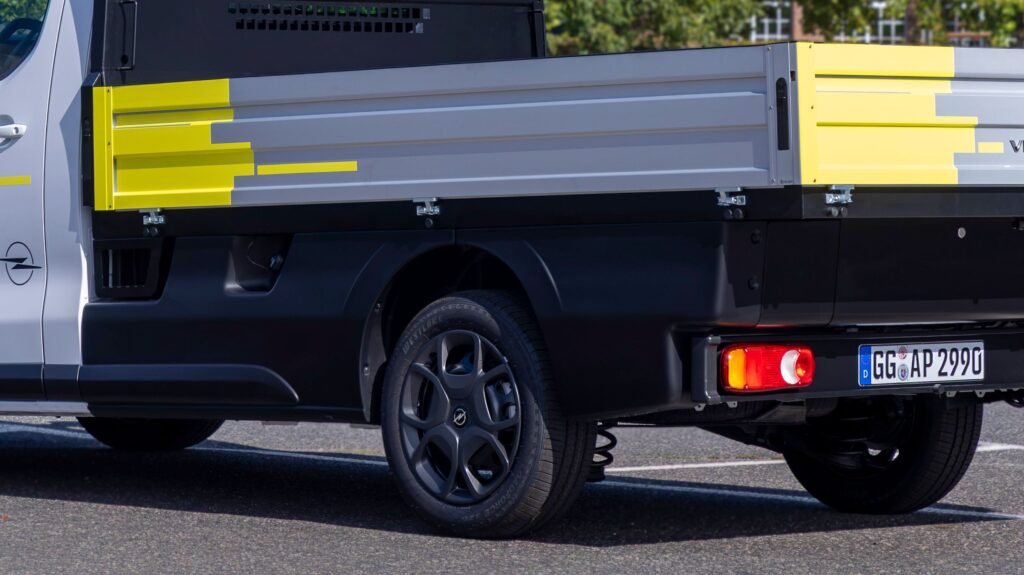
Stellantis Adds Flatbed Opel Vivaro with New 148hp Turbodiesel
In this issue
Business 139
Stellantis Adds Flatbed Opel Vivaro with New 148hp Turbodiesel
Culture 150
Max Mara champions understated elegance at Milan Fashion Week
Economy 33
Bitcoin and Ethereum Surge to Levels Last Seen in January
News 130
Trump Tells UN Iran Faces Choice Between Deal and Annihilation
Politics 107
Republican Judges Defy Supreme Court in Missouri Redistricting Fight
Sports 245
MINI to Debut New Adventure SUV at Rebelle Rally
Technology 163
Chevrolet Builds Two Corvette Generations at Once for the First Time
Belgrade’s aid to Ukraine is not a geopolitical revolution. It is a focused infrastructure decision that shows how limited commitments can still produce useful results in a high-stakes energy system.
By George Kensington · 6 min read
Statecraft is often measured in summits, sanctions and military packages. Serbia’s €2 million contribution to Ukraine’s energy grid is much smaller and less dramatic, but it offers a useful example of what practical policy can look like.
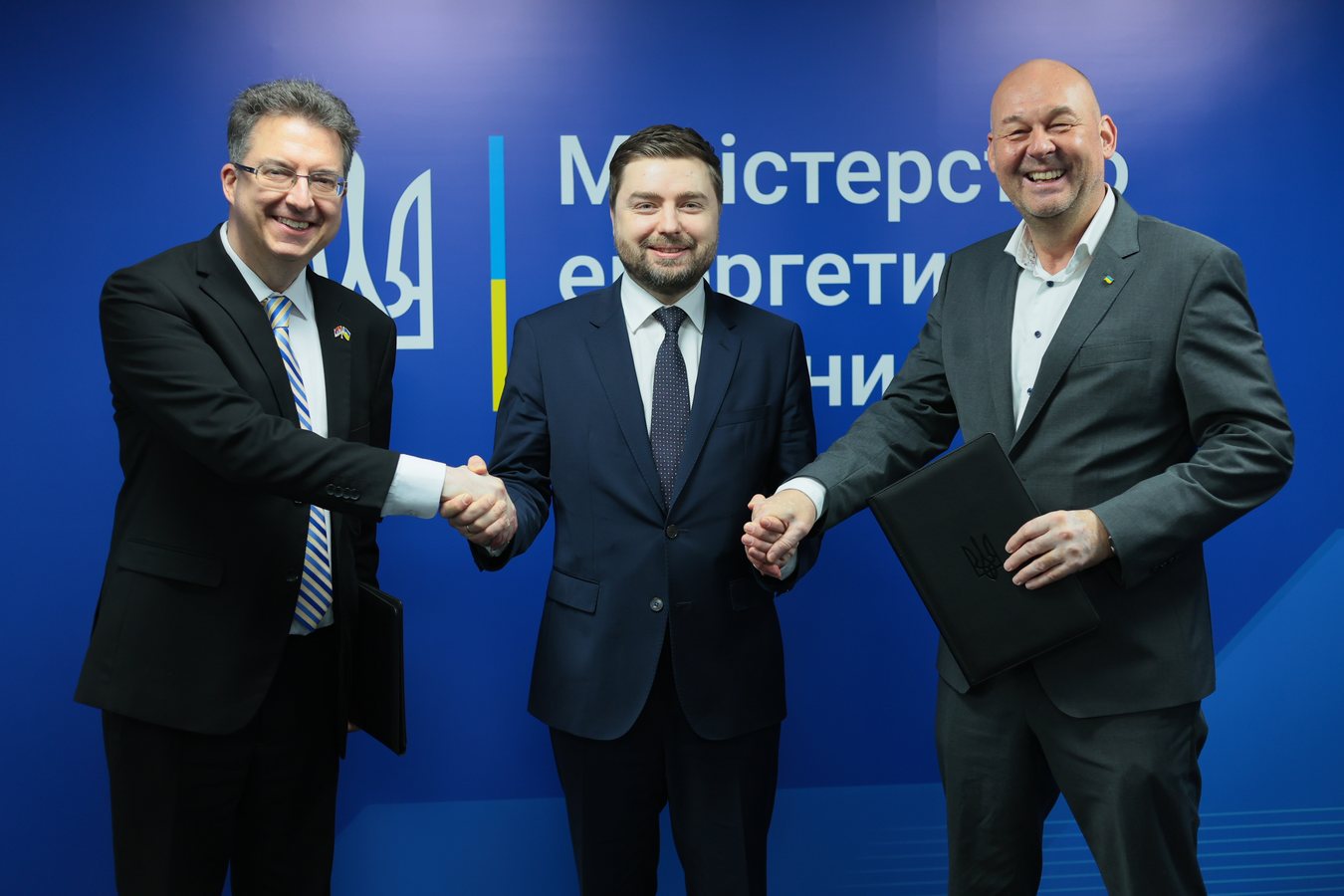
The agreement was signed on April 3, 2026, between the Serbian government and the United Nations Development Programme. The money is earmarked for high-voltage transformers needed to restore Ukraine’s electricity transmission capacity.
That is a better-defined objective than the broad language that often surrounds reconstruction. A transformer is a concrete asset with a specific engineering function. It either arrives, is installed and returns capacity to the network, or it does not. The project therefore has an unusually clear test of execution.
High-voltage transformers also reveal the difference between money and capability. The U.S. Department of Energy says large power transformers can be expensive, difficult to transport and typically custom-built, with procurement lead times of a year or more. A utility cannot simply replace a destroyed unit with whatever is available in a warehouse.
UNDP says the Serbian contribution is intended to help stabilize power for millions of people and support essential services such as hospitals, schools, homes, water and heating. The work is part of the organization’s Green Energy Recovery Programme and was framed as preparation for the next heating season.
The context is severe. UNDP cited an $88.2 billion estimate for losses across Ukraine’s energy sector, with around $17.1 billion affecting electricity generation and transmission. The European Commission says Russia has systematically targeted civilian energy infrastructure and has allocated roughly €922 million for energy support during the 2026-27 winter.
That makes Serbia’s package financially small. Its importance comes from two things: specificity and politics. A narrow commitment can still matter if it is designed around a known operational bottleneck and if it creates a clear path from money to hardware.
On specificity, the package directs funds toward a critical network component. In a damaged national grid, removing one bottleneck can have a larger operational effect than the size of the grant suggests. A functioning transmission node can reconnect capacity that already exists elsewhere in the system.
On politics, Serbia occupies a difficult position. It wants European Union membership, maintains close relations with Russia, has not joined the EU sanctions regime and continues to rely on Russian energy relationships. At the same time, it has provided assistance to Ukraine and is building a more active bilateral relationship with Kyiv.
President Volodymyr Zelenskyy’s first official visit to Serbia in August illustrated that balancing act. Talks focused on EU integration, economic cooperation and security. Serbia did not announce a change in its Russia sanctions policy, yet the visit showed that practical engagement with Ukraine is becoming more substantial.
The transformer deal fits neatly into that pattern. It does not require Serbia to abandon its entire foreign-policy posture, but it gives Belgrade a tangible contribution to Ukraine’s civilian resilience. The UNDP channel also makes the project less about bilateral symbolism and more about a defined infrastructure task.
For leaders, there is a broader lesson here. Credibility often depends less on the scale of an announcement than on whether the commitment is designed to be completed. A narrow €2 million project can be more accountable than a larger pledge with no defined procurement path.
There is also a lesson in timing. When a critical component may require a year or more to procure, leadership is partly about making unglamorous decisions early. Waiting until winter demand peaks to begin sourcing a transformer would be a failure of planning, regardless of how large the eventual budget might be.
The same principle applies to Ukraine’s reconstruction. Huge financing programs are indispensable, but the system will ultimately be rebuilt one transformer, substation and protected facility at a time. Success will depend on project discipline as much as on diplomatic solidarity.
The Serbian package should not be romanticized. It is not evidence that Belgrade has chosen Kyiv over Moscow, and it does not solve a meaningful share of Ukraine’s national energy deficit. Nor should it be described as a broad reserve-capacity program: the primary source identifies high-voltage transformer procurement.
But limited ambition matched with a clear deliverable has its own value. In a war where infrastructure is repeatedly destroyed, the measure of the decision will be simple: whether the transformers arrive, whether they can be integrated into the grid and whether they help keep essential services running when demand rises again.
59