
Business 120
BYD Plans Three European Assembly Plants and a Battery Factory
In this issue
Business 120
BYD Plans Three European Assembly Plants and a Battery Factory
Culture 122
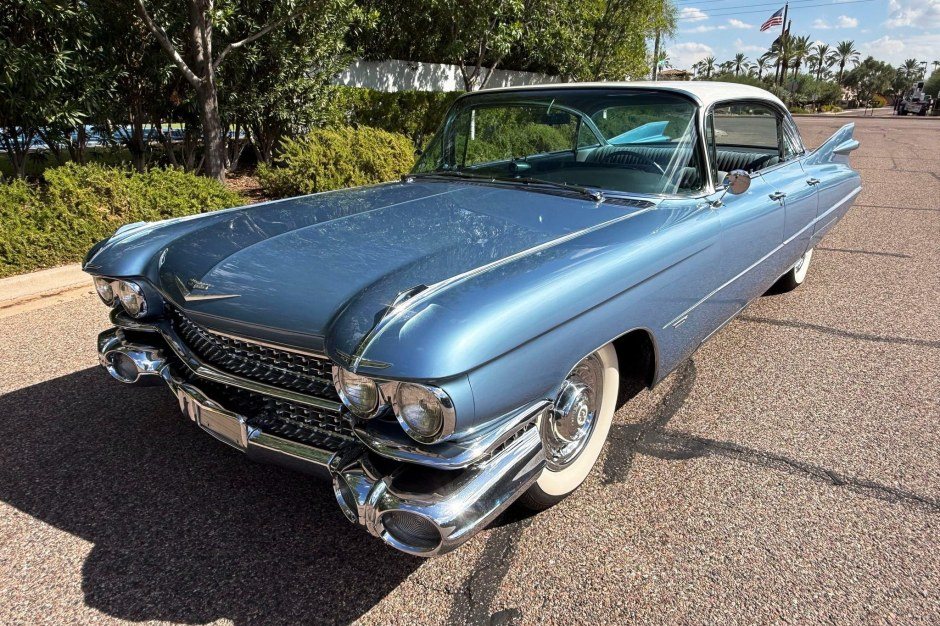
1959 Cadillac Series 62 Six-Window Sedan Heads to Auction
Economy 30
HMRC is writing to low earners about pension top-ups averaging about £70
News 127
London Mayor Funds Safer Streets for Women and Girls
Politics 104
Reform UK's Welsh Leader Dan Thomas Resigns After Arrest on Suspicion of Assault
Sports 238
Ab Jenkins and the Salt Flats: How Pennzoil Backed the Quest for Speed and Safety
Technology 139
TUFF Australia Launches Heavy-Duty Bull Bars for Toyota RAV4
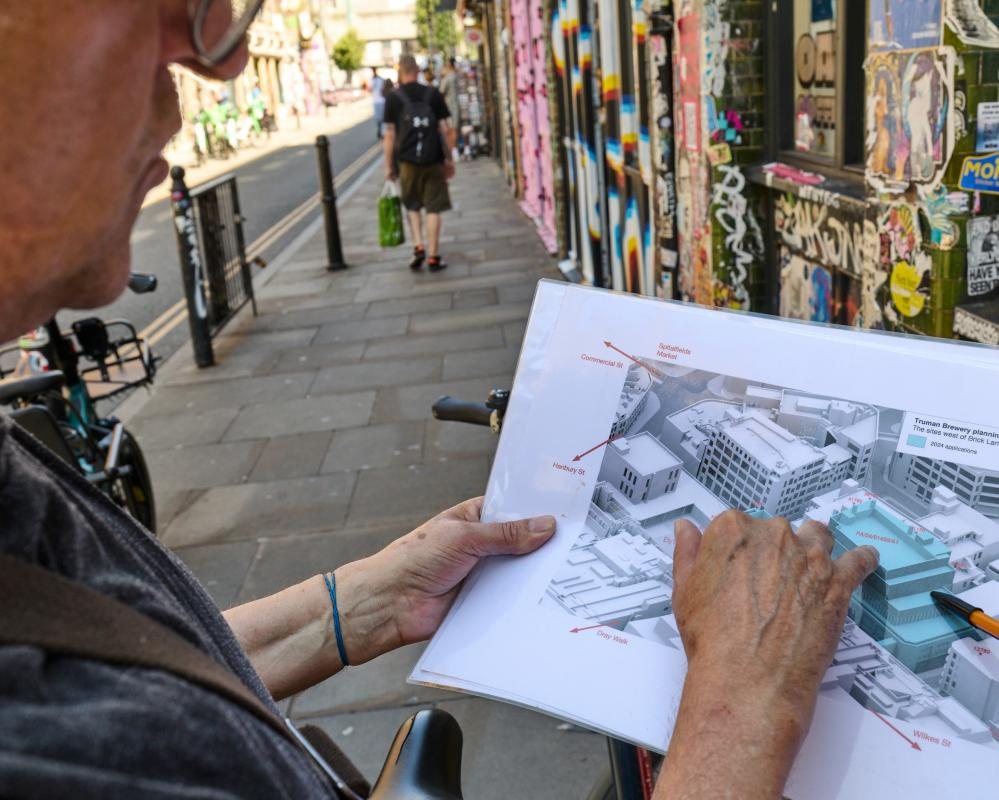
Ministers have approved a £500m redevelopment of the Truman Brewery estate in Brick Lane, east London, including a datacentre, offices and apartments, overriding Tower Hamlets council and campaigners who wanted hundreds of homes instead.
By Charlotte Redford · 3 min read
Plans for a £500m redevelopment of the Truman Brewery estate in Brick Lane, east London, have been approved, giving the go-ahead to a datacentre, offices and apartments despite determined opposition from Tower Hamlets council and local campaigners.
The decision was made by the housing secretary, Angela Rayner, and communicated in a letter issued on her behalf last week by the housing minister, Matthew Pennycook. The letter rejects the alternative vision put forward by the council and community groups, who had called for the estate to be redeveloped to provide hundreds of homes rather than the mixed-use scheme that was eventually approved. The decision was taken by ministers rather than by the local council, a fact that lies at the heart of the criticism.
Campaigners have described the approval as a «slap in the face» for local democracy. They argued that the strength of local opposition was ignored and that the project was approved even though it fails to meet the housing needs of the area. The decision has sharpened criticism of the way planning decisions are taken when ministers intervene in contentious local schemes.
A central grievance is the number of affordable homes. The approved scheme includes just 11 affordable homes, despite the scale of the £500m project and the demands from the council and campaigners for a much larger housing element. That figure has become a symbol of the wider argument over what the site should deliver.
Tower Hamlets council had opposed the proposal, and local campaign groups had pressed for homes rather than a project dominated by commercial space and data infrastructure. With the decision now confirmed, the government has backed the proposed scheme and overruled the position of the local authority. Opponents said the outcome showed that ministerial approval can set aside local objections. The letter sent last week marked the end of the attempt by the council to shape the project through the planning system.
The dispute over the site has centred on the question of what a major site in east London should be used for. The council and campaigners argued that housing should come first. Ministers disagreed, choosing instead to approve a scheme that prioritises datacentre and office space.
The redevelopment will reshape a sizeable part of Brick Lane. It follows a period of intense argument between the council, campaigners and ministers over the best use of the site. The plan includes residential, office and commercial space, but the lack of affordable housing has dominated reaction to the news. For those who fought the scheme, the approval is a missed opportunity to deliver the hundreds of homes they said the site should have provided. The argument over the future of the estate is unlikely to end quietly, even though the planning battle has been lost.