
Business 113
Nissan Ties Sunderland Kicks Production to Softer EV Mandate
In this issue
Business 113
Nissan Ties Sunderland Kicks Production to Softer EV Mandate
Culture 96
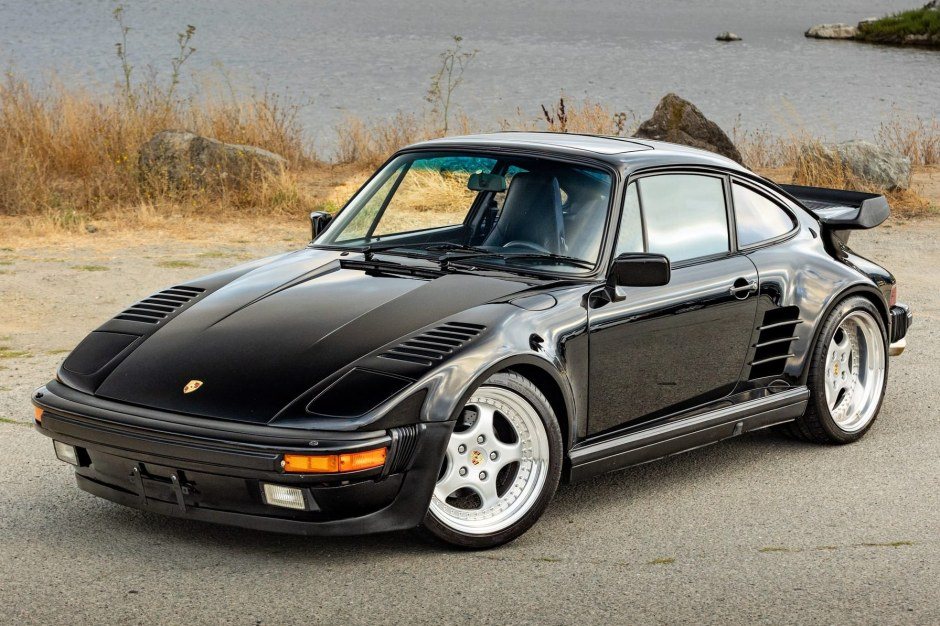
1988 Porsche 911 Turbo Slant Nose Heads to Auction After $90k Refresh
Economy 30
HMRC is writing to low earners about pension top-ups averaging about £70
News 124
Aftermarket Trackers Recover 99% of Stolen Cars as Factory Systems Fail
Politics 104
Reform UK's Welsh Leader Dan Thomas Resigns After Arrest on Suspicion of Assault
Sports 232
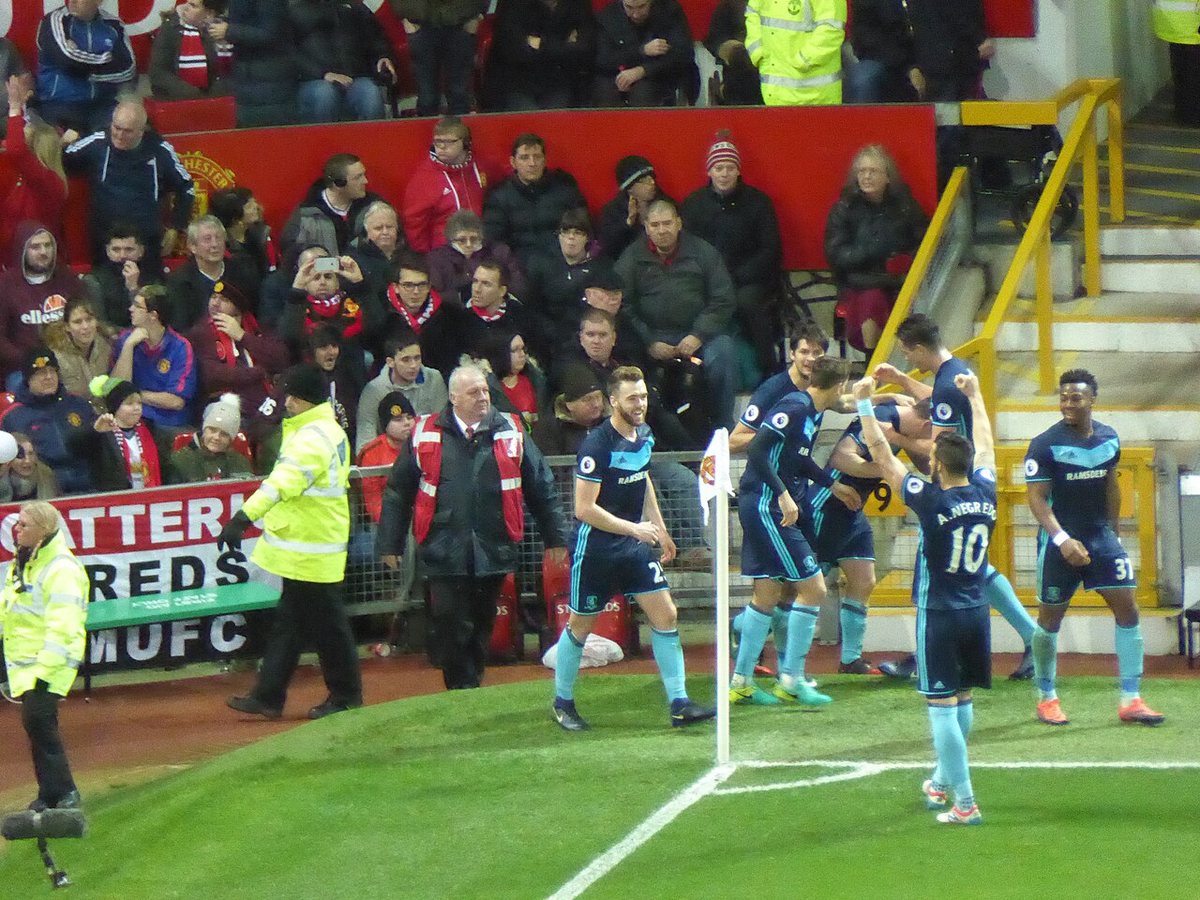
Middlesbrough v Millwall Postponed in Championship
Technology 126
Toyota Drops Petrol Land Cruiser 300 in Japan and Adds 457bhp Hybrid
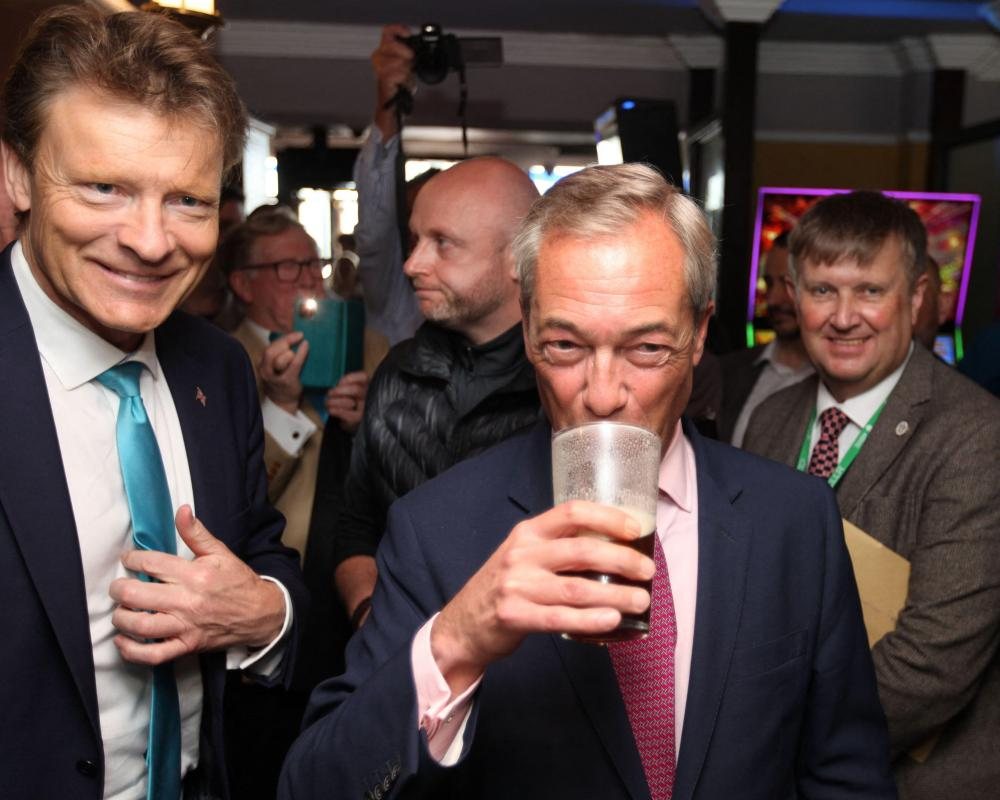
Labour has accused Reform UK of operating under a «stench of sleaze» after reports that Nigel Farage secretly agreed to return as party leader months before the 2024 general election.
By Charlotte Redford · 3 min read
Labour has accused Reform UK of operating under a «stench of sleaze» after reports claimed Nigel Farage reached a secret deal to return as the party's leader months before the 2024 general election.
The Sunday Times reported that Farage was in discussions about a return to the political frontline from as early as March 2024. At that time he was publicly insisting that he had no intention of returning to politics, and he maintained that position until June. The conflicting accounts of when the decision was taken have become the focus of the controversy.
Labour's chair responded by accusing Reform UK of making «grubby pacts». The accusation followed a series of contradictory reports about the events, and Labour said the disclosures raised serious questions about the honesty of the party's leadership and the accuracy of the explanations given to voters.
The report said the deal to bring Farage back was in place months before polling day. He was not on the frontline in early 2024, but he was already involved in talks about reassuming the leadership, according to the report. Labour said this suggested the party had given the public a misleading picture of how its campaign was being managed.
Farage subsequently returned as Reform UK's leader in June 2024 and led the party through the general election campaign, later winning the Clacton seat. The new reporting, however, suggests that preparations for his return had begun much earlier than the party's public statements indicated. Labour seized on that gap and said the affair had left Reform UK under a «stench of sleaze».
The row has intensified the political confrontation between Labour and Reform UK, which has emerged as one of the main forces in British politics. The two parties are competing for many of the same voters, and Labour has increasingly tried to make standards and transparency central issues in that contest. The reports gave Labour fresh evidence for its argument that Reform UK cannot be trusted with power.
Labour's chair described the reports as evidence of backroom arrangements and accused Reform of making «grubby pacts». The party said the public deserved to know when and how the decision for Farage to return was made, and why the account offered at the time differed so sharply from the reporting that has now emerged.
The precise terms of the reported deal have not been set out in detail, and the exact sequence of events remains disputed. But the conflicting versions of the timeline have left Reform UK facing continued questions about the circumstances of Farage's political comeback and the manner in which he resumed control of the party.