
Business 115
Volvo to launch 13 new cars by 2030 in largest product push
In this issue
Business 115
Volvo to launch 13 new cars by 2030 in largest product push
Culture 105
Low-Mileage 2018 BMW M3 Competition with Individual Paint Heads to Auction
Economy 30
HMRC is writing to low earners about pension top-ups averaging about £70
News 126
Newsom Signs Jay Leno's Law Easing Smog Checks for Classic Cars
Politics 104
Reform UK's Welsh Leader Dan Thomas Resigns After Arrest on Suspicion of Assault
Sports 236
Toyota Unveils Hydrogen Fuel Cell Hilux for 2027 Dakar Rally
Technology 132
GWM Unveils Tank 300 Hooke Trail with Live Axle for Extreme Off-Roading
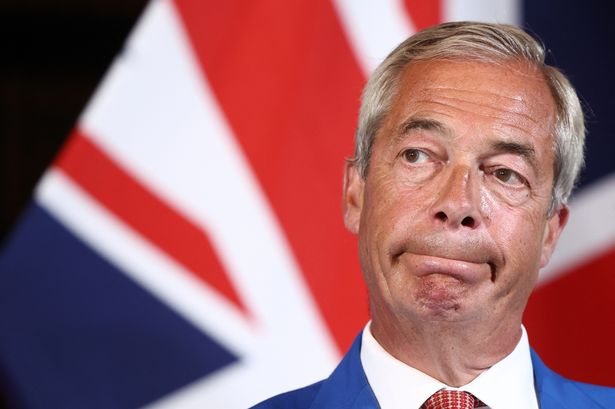
Nigel Farage’s Reform UK has proposed using Royal Navy vessels to return migrants crossing the English Channel to France or Belgium, a plan experts have warned could increase danger.
By Charlotte Redford · 3 min read
Reform UK has announced a proposal to use Royal Navy vessels to return migrants crossing the English Channel to France or Belgium, a policy the party has named Operation Fortress. Party leader Nigel Farage unveiled the plan as a hard-line response to the small boats crisis and insisted it would be compatible with international law.
Under the scheme, Royal Navy ships would intercept migrant boats in the Channel and take those on board back to the European mainland instead of bringing them to the UK. Mr Farage argued the measure would deter people from making the crossing and claimed Reform UK could bring the small boats crisis to an end « in a fortnight ». The party has positioned Operation Fortress as a flagship border security commitment and said it would amount to the largest military operation in the Channel since the Second World War.
The announcement follows news that more than 1,000 migrants were recorded crossing the Channel in a single week, adding to political pressure over migration. Small boat arrivals remain a deeply controversial issue in British politics, and Reform UK has sought to present itself as the party most willing to take drastic action on border control. The latest figures underline the scale of the challenge facing the UK government as it tries to reduce the number of dangerous crossings.
The plan was immediately criticised by experts, who warned that returning migrants at sea would only increase the risk of death and violence at the border. They also questioned whether a military operation would do anything to address the underlying reasons why people risk the crossing. The party’s description of the proposal as a major military deployment has prompted concern about the use of armed forces in civilian maritime operations, as well as about the practical difficulties of carrying out returns on the open sea.
Mr Farage said Operation Fortress would comply with international law, but the plan raises obvious legal questions. Returning migrants to France or Belgium would require co-operation from those governments, and any attempt to send people back without assessing their claims for protection could face court challenges. International rules on the treatment of refugees and people at sea are likely to be central to any legal examination of the policy.
The dispute over Operation Fortress highlights the broader argument over migration policy in the UK. Defenders of the plan say the current approach has failed to stop the boats and that more forceful measures are needed. Critics argue the proposal is unworkable, dangerous and unlikely to survive legal scrutiny. With Channel crossings remaining high on the political agenda, the plan is likely to stay at the centre of a heated national debate.